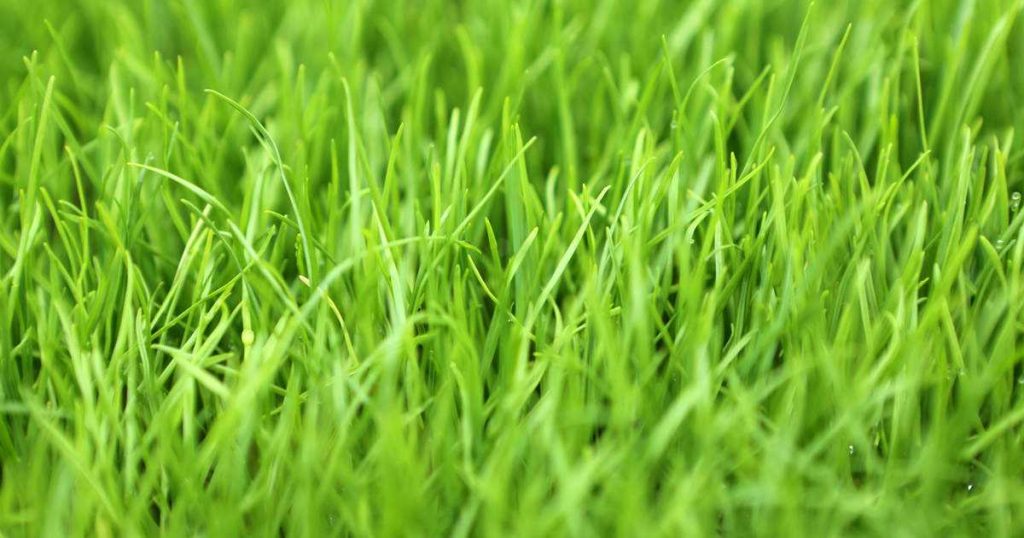
Perennial ryegrass is an excellent choice for creating lush, green lawns that thrive year-round. Its quick germination and dense growth make it ideal for both aesthetic appeal and durability. If you’re wondering whether perennial ryegrass is good for lawns, the answer is yes—especially if you want a lawn that recovers quickly from wear and tear, offers vibrant color, and responds well to fertilization and maintenance.
Perennial ryegrass is a popular turfgrass for lawns due to its rapid establishment and fine texture. It is highly resistant to foot traffic and pests, making it perfect for sports fields and high-traffic areas. Plus, it blends beautifully with other grasses, providing a uniform, appealing landscape. Overall, perennial ryegrass offers a practical and attractive solution for homeowners seeking a resilient, beautiful lawn that remains lush throughout the seasons.

Is Perennial Ryegrass Good for Lawns?
Introduction to Perennial Ryegrass
Perennial ryegrass is a popular choice for many lawn owners because of its quick germination and lush green color. It is a cool-season grass that thrives in temperate climates. This grass is known for its fine texture and ability to recover quickly from damage. Its versatility makes it suitable for various lawn types.
Key Benefits of Perennial Ryegrass for Lawns
Many people choose perennial ryegrass because it establishes fast and provides an immediate green cover. It is resistant to disease and pests, which helps maintain a healthy lawn. Plus, it offers excellent wear tolerance, making it ideal for high-traffic areas.
Growth Characteristics of Perennial Ryegrass
This grass grows densely, creating a thick turf that prevents weeds from taking over. It has a shallow root system, which allows for quick nutrient absorption. Regular mowing helps keep the grass healthy and encourages dense growth.
Germination Speed and Establishment
Perennial ryegrass germinates quickly—often within five to ten days. Its fast growth allows for rapid lawn development, especially useful for overseeding or repairing damaged areas. This quick establishment means less time waiting to enjoy a green, lush lawn.
Optimal Growing Conditions
Perennial ryegrass prefers temperatures between 55 and 75 degrees Fahrenheit. It thrives in well-draining soil rich in organic matter. Adequate watering and fertilization enhance its growth and overall health.
Suitability for Different Lawn Uses
This grass works well for a variety of uses, including sports fields, recreational lawns, and home gardens. Its durability makes it suitable for areas with frequent foot traffic. It also performs well as a temporary or part of a mixed grass seed blend.
Durability and Wear Tolerance
Perennial ryegrass can withstand heavy activity without showing signs of wear. Its ability to recover quickly makes it popular for sports fields and playgrounds. Regular maintenance ensures it remains resilient and attractive.
Overseeding and Lawn Repair
Gardeners often use perennial ryegrass for overseeding existing lawns to improve density and color. It fills in bare patches rapidly, saving time and effort compared to other grass types. This quality is especially helpful after winter or drought stress.
Maintenance and Care for Perennial Ryegrass
Proper care ensures that perennial ryegrass stays healthy and vibrant throughout the year. Regular mowing, watering, and fertilization are essential. Avoid overwatering to prevent disease and root rot.
Watering Needs
Perennial ryegrass prefers consistent moisture but does not like waterlogged soil. Water deeply but infrequently to encourage deep root growth. During hot or dry periods, increase watering frequency slightly.
Fertilization Tips
Use a balanced fertilizer high in nitrogen to promote rich, green growth. Apply fertilizer during the active growing season, typically from early spring to late fall. Follow recommended application rates to prevent excessive thatch buildup.
Common Pests and Diseases
This grass is susceptible to pests like chafer beetle larvae and diseases such as brown patch and rust. Proper lawn hygiene and aeration help prevent these issues. Applying appropriate fungicides or insecticides may be necessary in severe cases.
Challenges and Limitations of Perennial Ryegrass
Though it offers many benefits, perennial ryegrass also has some limitations. It does not tolerate extreme heat or drought well, which can limit its suitability in certain climates. It can also become invasive if not managed properly.
Climate Suitability
Perennial ryegrass performs best in cooler, moist environments. In hot, dry regions, it may struggle to survive without supplemental watering. Consider local climate conditions before planting.
Longevity and Seasonal Performance
While it establishes rapidly, perennial ryegrass tends to have a shorter lifespan compared to other grasses like Kentucky bluegrass or fescue. It may need reseeding every few years to maintain its appearance.
Comparing Perennial Ryegrass with Other Turfgrasses
Understanding how perennial ryegrass stacks up against other popular grasses helps in making the right choice for your lawn.
| Feature | Perennial Ryegrass | Fescue | Kentucky Bluegrass |
|---|---|---|---|
| Germination Speed | Very fast | Moderate | Slow |
| Durability | High for wear | Moderate | Moderate |
| Heat Tolerance | Low | Good | Good |
| Maintenance | Moderate | Low to Moderate | High |
| Lifespan | Short to Medium | Long | Long |
Best Uses for Perennial Ryegrass
This grass is ideal for lawns requiring quick coverage and high resilience. It’s a good choice for overseeding old lawns or establishing new turf quickly. Also, it is popular in sports field mixes for its toughness.
Ideal for High Traffic Areas
Examples include playgrounds, sports fields, and busy pathways. Its quick recovery helps maintain an attractive appearance despite frequent use.
Temporary Landscaping Solutions
Perennial ryegrass offers an excellent short-term solution while other grasses establish. It can be overseeded to maintain a green, lush look during transitional periods.
Environmental Impact and Sustainability
Perennial ryegrass can be environmentally friendly when managed properly. Its dense growth helps suppress weeds and reduces the need for chemical weed control. However, its water and fertilization needs should be considered to prevent overuse of resources.
Water Conservation Tips
Implementing efficient watering practices, such as deep watering and rainwater harvesting, can reduce water consumption. Proper soil preparation minimizes water runoff and promotes healthy growth.
Fertilizer Use and Eco-Friendliness
Opt for organic or slow-release fertilizers to lessen environmental impact. Avoid overfertilizing, which can lead to nutrient runoff and water pollution.
Final Thoughts on Using Perennial Ryegrass for Lawns
Perennial ryegrass stands out for its quick establishment, durability, and ability to withstand heavy use. While it may not be suitable for all climates or long-term lawn solutions, it offers a practical choice for many homeowners and landscapers. Proper maintenance and understanding its limitations ensure a healthy, vibrant lawn that meets your needs.
Perennial Ryegrass Pros and Cons
Frequently Asked Questions
How does perennial ryegrass perform in different climates?
Perennial ryegrass adapts well to temperate climates with moderate rainfall and temperatures. It grows quickly and establishes itself effectively in cooler seasons, making it a popular choice for lawns in regions with distinct seasonal changes. However, it may struggle in extremely hot or dry conditions unless given proper irrigation and care.
Is perennial ryegrass suitable for high-traffic areas?
Yes, perennial ryegrass stands up well to foot traffic, making it an ideal choice for areas where people frequently walk or play. Its dense growth habit helps resist wear and resist tearing, ensuring the lawn remains lush and healthy even with regular use.
Can perennial ryegrass be used alongside other types of grass?
Perennial ryegrass blends well with other cool-season grasses such as fescue or Kentucky bluegrass. Combining species can improve overall lawn durability, appearance, and adaptability to varying environmental conditions, providing a versatile and attractive lawn.
What maintenance practices are necessary for a perennial ryegrass lawn?
Maintaining a perennial ryegrass lawn involves regular mowing, watering, and fertilizing to encourage healthy growth. It responds well to overseeding, which helps maintain density and resilience. Proper aeration and pest control also help keep the lawn vibrant and resistant to common issues.
Final Thoughts
Perennial ryegrass is an excellent choice for lawns due to its quick germination and vibrant green appearance. It establishes itself rapidly, providing an immediate lush look.
This grass tolerates frequent mowing and foot traffic, making it ideal for active households.
In summary, is perennial ryegrass good for lawns? Yes, it offers durability, quick growth, and aesthetic appeal, making it a popular option for many homeowners.