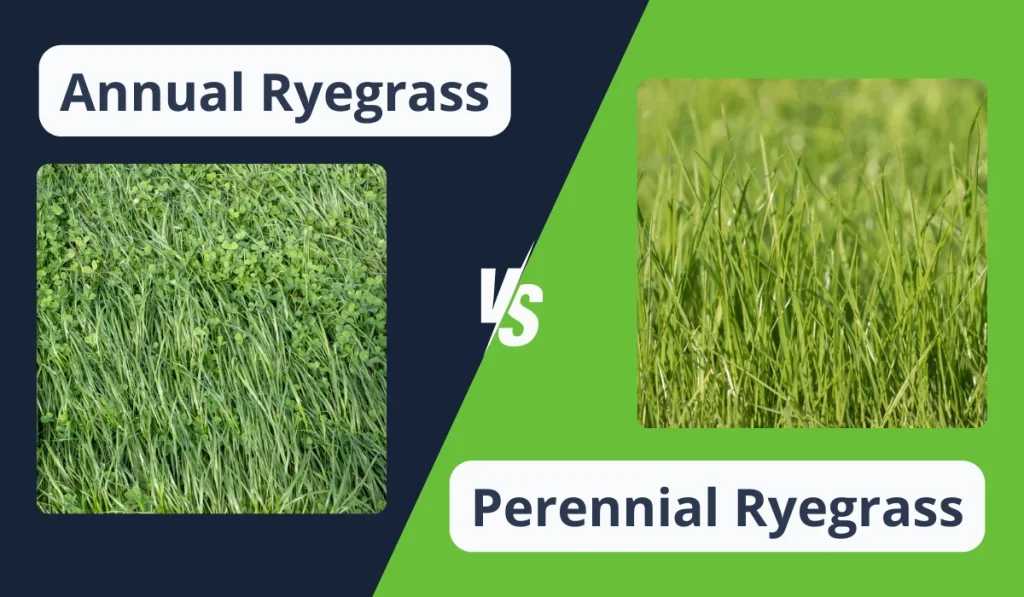
Ryegrass can be either annual or perennial, depending on the variety and climate. If you’re wondering whether to include it in your lawn or pasture, knowing the difference makes all the difference. The quick answer is that annual ryegrass completes its life cycle in one year, while perennial ryegrass lives for several years, providing long-term ground cover. Choosing the right type depends on your gardening goals and local conditions. Ryegrass is popular for its fast germination and lush growth, making it a favorite for lawns, sports fields, and pastures. Understanding whether it’s annual or perennial helps you plan maintenance, irrigation, and fertilization effectively. In this article, we’ll explore the characteristics of both types, helping you decide which one suits your needs best and ensuring your outdoor space thrives year after year.

Is Ryegrass Annual or Perennial? Understanding the Lifespan of Ryegrass
Ryegrass is a popular choice for lawns, sports fields, and pasturelands. But many people wonder whether ryegrass is an annual or perennial plant. Knowing this helps in planning planting, maintenance, and care routines effectively. Let’s explore what makes ryegrass either annual or perennial and how it impacts its use.
What Does ‘Annual’ and ‘Perennial’ Mean in Plants?
Before diving into ryegrass specifics, it’s important to understand these terms. An annual plant completes its life cycle in one year. It grows from seed, flowers, produces seeds, and then dies within a single growing season.
A perennial plant lives for more than two years. It regrows each season from the same root system, often becoming more established over time. This distinction influences how you plant and care for ryegrass.
Is Ryegrass An Annual or Perennial?
Most types of ryegrass are classified as perennial plants. They tend to live for several years, providing consistent ground cover and lush green lawns. However, some varieties, especially in certain climates, behave more like annuals.
Types of Ryegrass and Their Lifespan
Perennial Ryegrass (Lolium perenne)
This is the most common type used for lawns, sports fields, and pastures. It is well-known for its rapid growth, resilience, and ability to stay green throughout the year in favorable climates. Perennial ryegrass can live for many years with proper care.
Annual Ryegrass (Lolium multiflorum)
This version is often used for temporary cover or as a pasture grass in warmer climates. It completes its life cycle in one year and is often replanted annually. Despite its name, annual ryegrass can sometimes reseed itself, creating confusion about its true lifecycle.
Growth Habits and Lifespan of Ryegrass
The growth pattern of ryegrass depends on the type and environmental conditions. Perennial ryegrass develops a deep root system, enabling it to survive droughts and wear. Annual ryegrass, on the other hand, grows quickly but may not survive harsh winters.
Factors Influencing Ryegrass Lifespan
- Climate: Cooler climates favor perennial ryegrass, which can survive cold winters. Warmer regions may support annual types that reseed each year.
- Soil Quality: Healthy, well-drained soil helps perennial ryegrass thrive long-term.
- Maintenance: Regular mowing, fertilizing, and watering promote longevity for perennial types.
- Use Case: Temporary lawns or sports fields may use annual ryegrass for quick coverage, while permanent lawns lean towards perennial varieties.
How Do You Identify if Ryegrass is Annual or Perennial?
To determine the type of ryegrass, observe its growth over time. Perennial ryegrass persists year after year, developing a thick, mat-like turf. Annual ryegrass tends to grow fast, produce seed heads early, and die after a season.
Benefits of Perennial Ryegrass
- Long-lasting: Provides durable, year-round ground cover.
- Resilient: Can withstand heavy foot traffic and wear.
- Fast germination: Establishes quickly in the spring.
- Easy to maintain: Responds well to regular turf management practices.
Challenges of Annual Ryegrass
- Short lifespan: Needs replanting each year or reseeding.
- Less winter hardy: Often dies back during cold weather.
- Susceptible to pests: May require more pest management strategies.
- Limited durability: Less suitable for high-traffic areas.
Planting Considerations Based on Life Cycle
| Factor | Perennial Ryegrass | Annual Ryegrass |
|---|---|---|
| Best for | Permanent lawns, sports fields, pasture | Temporary covers, quick-growing pastures |
| Climate suitability | Cooler climates with cold winters | Warmer climates, short-term use |
| Maintenance needs | Regular fertilization and mowing | Replanting annually or reseeding |
Managing Ryegrass for Longevity and Health
Providing proper care can maximize the lifespan of ryegrass. Consistent watering, mowing at the right height, and fertilizing encourage healthy growth. Aerating the soil helps maintain root development, especially for perennial ryegrass.
Ryegrass in Different Climates and Regions
Cool-Season Regions
Perennial ryegrass thrives in regions with cool temperatures and moderate rainfall. It remains green and lush through winter in these areas, making it a popular choice.
Warm-Season Areas
In warmer climates, annual ryegrass is often used for quick cover and erosion control. It may need reseeding each year as it struggles to survive harsh heat and drought conditions.
Summary: Is Ryegrass Annual or Perennial?
Overall, perennial ryegrass is the most common choice for those seeking a durable, long-lasting turf. Conversely, annual ryegrass is more suited for short-term needs or specific climates. Selecting the right type depends on your local weather, soil, and intended use.
Final Thoughts on Ryegrass Lifecycle
Knowing whether ryegrass is annual or perennial helps in planning your grass management strategy. Choosing the correct variety ensures a lush, healthy lawn that meets your expectations. With proper care, perennial ryegrass can provide many years of green cover, while annual ryegrass offers quick results for temporary projects.
Perennial Ryegrass Pros and Cons
Frequently Asked Questions
Is perennial ryegrass suitable for maintaining a lush lawn throughout the year?
Yes, perennial ryegrass is ideal for creating a dense, green lawn that remains vibrant across different seasons. Its ability to recover quickly from damage and its year-round growth make it a popular choice for lawn enthusiasts seeking a durable and attractive turf.
How does the growth cycle of annual ryegrass differ from that of perennial ryegrass?
Annual ryegrass completes its life cycle within a single year, germinating in the fall, thriving during the cooler months, and then dying off as temperatures rise. In contrast, perennial ryegrass persists for multiple years, continuously growing and regenerating, which makes it suitable for permanent lawns and pastures.
Can I plant perennial ryegrass in areas prone to drought or poor soil conditions?
Perennial ryegrass can tolerate some drought and poor soil, but it generally performs best in well-drained, fertile soils with consistent moisture. For areas with extreme conditions, selecting a drought-resistant or more adaptable grass type might provide better long-term results.
What are the advantages of using annual ryegrass in a temporary planting scheme?
Annual ryegrass germinates quickly and establishes itself rapidly, making it a good choice for short-term ground cover, erosion control, or overseeding. It typically thrives for a single season, providing an affordable and effective solution where a temporary grass cover is needed.
Is perennial ryegrass better for overseeding existing lawns?
Perennial ryegrass works well for overseeding because it establishes quickly and blends seamlessly with many grass types. Its durability helps improve lawn density and color, especially in cooler months, making it a common choice for rejuvenating existing turf.
Final Thoughts
Ryegrass is a versatile grass commonly used in lawns and pastures. It grows quickly and can tolerate a range of soil types, making it popular among gardeners and farmers. Proper maintenance ensures healthy growth and longevity.
In conclusion, is ryegrass annual or perennial? Ryegrass can be both, depending on the type. Perennial ryegrass lives for multiple years, while annual ryegrass completes its cycle within a year. Understanding these differences helps in choosing the right variety for your needs.