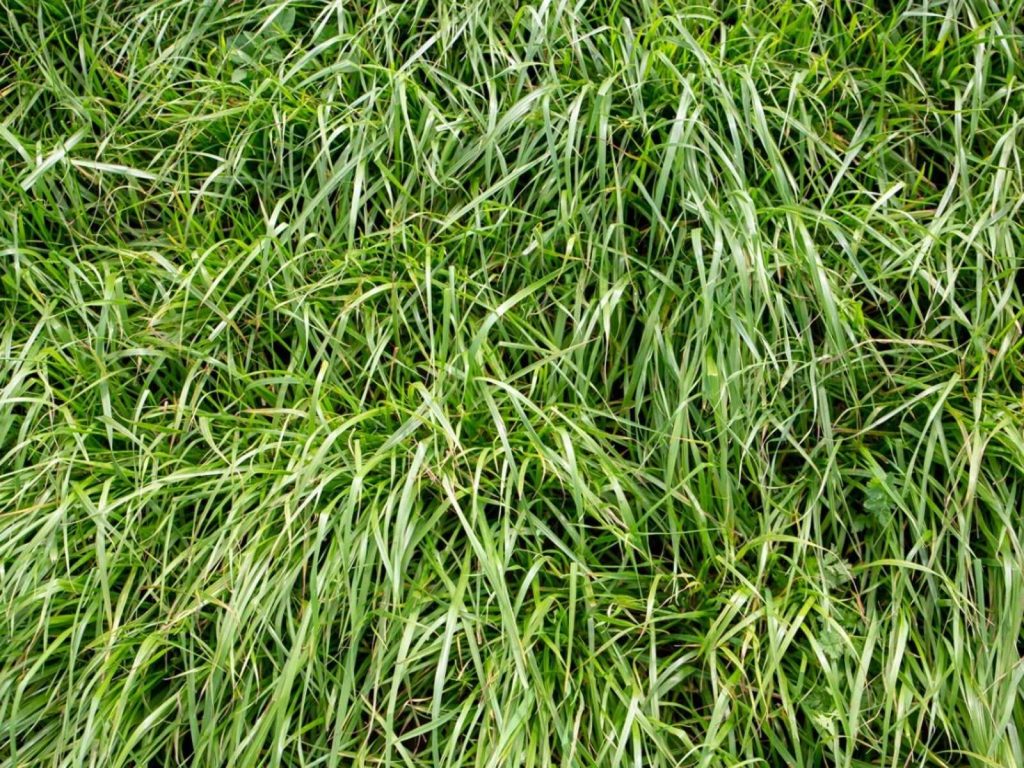
To plant annual ryegrass successfully, start by choosing a sunny site with well-draining soil, then broadcast the seeds evenly and lightly rake them into the soil. Keep the area consistently moist until the grass establishes well.
Planting annual ryegrass is quick and straightforward—just prepare your soil, spread the seeds evenly, lightly cover them, and maintain consistent moisture. This fast-growing grass is perfect for quick ground cover or pasture, making it a popular choice among gardeners and farmers alike.
If you want lush, green annual ryegrass that thrives in your garden or pasture, selecting the right spot and prepping the soil are key. Once the soil is ready, sow the seeds evenly, cover lightly with soil or mulch, and keep the area watered regularly. With proper timing and care, you’ll have a vibrant, healthy patch of ryegrass in no time.

How to Plant Annual Ryegrass
Planting annual ryegrass is a simple process that can bring quick green cover to your lawn or garden. Knowing the right steps ensures healthy growth and lush results. Here is a comprehensive guide on how to plant annual ryegrass effectively.
Understanding Annual Ryegrass
Annual ryegrass is a fast-growing, cool-season grass that is often used for pasture, erosion control, or as a temporary lawn. It germinates quickly, sometimes within just a few days of planting.
This grass thrives in well-drained soils and prefers full sun but can tolerate some shade. Its adaptability makes it a popular choice for many different planting purposes.
Selecting the Right Time to Plant
Best Seasons for Planting
The optimal time to plant annual ryegrass is during the fall or early spring. This timing allows the grass to establish roots before extreme weather conditions. Planting in late summer can also work if the soil remains warm enough.
Ideal Soil Conditions
Annual ryegrass prefers soil temperatures between 50°F and 85°F (10°C to 29°C). Make sure the soil is moist, fertile, and well-drained for best germination and growth.
Preparing the Soil
Testing the Soil
Start by testing your soil to determine pH levels and nutrient content. Ryegrass performs best in slightly acidic to neutral soils, with a pH of 5.5 to 7.0.
Improving Soil Quality
If necessary, amend the soil with compost or organic matter to improve fertility and drainage. Remove weeds, rocks, or debris to create a clean seedbed.
Loosening the Soil
Use a rake or tiller to loosen the top 2 to 3 inches of soil. This allows for better seed-soil contact, which is crucial for germination.
Choosing the Right Seeds
Select Quality Seeds
Purchase high-quality annual ryegrass seeds from reputable suppliers. Look for seeds that are clean, disease-free, and labeled for your specific purpose.
Seed Varieties
There are different varieties of annual ryegrass, such as fine-leaf or coarse-leaf types. Consider your planting needs and select the variety that suits your area and goals.
Seeding Methods
Hand Seeding
If planting on a small scale, evenly spread the seeds by hand. Walk slowly to distribute seeds uniformly across the prepared soil.
Mechanical Seeding
For larger areas, use a broadcast spreader or rotary seeder for an even distribution. Follow the manufacturer’s instructions for your equipment to ensure accuracy.
Seeding Rate
The recommended seeding rate is about 15 to 20 pounds per acre. For smaller plots, this translates to approximately 0.5 to 1 pound per 1,000 square feet.
Planting Techniques
Broadcast Seeding
Spread the seeds evenly over the soil surface. Lightly rake the area to cover the seeds with a thin layer of soil for better contact.
Drill Seeding
If using a seed drill, set it to the correct depth, typically ¼ to ½ inch. This method provides uniform seed placement and soil coverage.
Covering the Seeds
Ensure the seeds are covered with soil or mulch. This helps retain moisture and prevents birds or wind from disturbing the seeds.
Watering for Successful Germination
Initial Watering
Immediately after planting, water the area gently to keep the soil moist. Consistent moisture is key during germination, which usually occurs within 5 to 10 days.
Maintaining Moisture
Water regularly to keep the soil evenly moist but not waterlogged. Deep, infrequent watering encourages strong root development.
Managing Growth and Maintenance
Fertilizing
Apply a balanced fertilizer if your soil lacks nutrients. Use a low-nitrogen fertilizer to avoid excessive quick growth, which can make the grass prone to disease.
Pest and Disease Control
Monitor the area for pests or diseases. Address issues early with appropriate, environmentally friendly treatments to keep your ryegrass healthy.
Thinning and Mowing
If the grass gets too thick, thin out overcrowded areas to improve airflow. Mow lightly to keep the grass at a manageable height, around 2 to 3 inches.
Growing Conditions for Best Results
Sunlight
Annual ryegrass needs full sun to grow vigorously. Ensure your planting site receives at least 4 to 6 hours of direct sunlight daily.
Watering Needs
Keep soil consistently moist, especially during germination and early growth. Avoid letting the soil dry out completely.
Temperature Tolerance
This grass is tolerant of cool weather but will go dormant or die back in extreme heat or drought. Proper watering and shading can help during hot periods.
Additional Tips for Healthy Ryegrass Growth
- Regularly check soil moisture levels and adjust watering accordingly.
- Use mulch to retain soil moisture and suppress weeds.
- Limit foot traffic until the grass is well-established.
- Plan for reseeding or overseeding if patches become thin or bare.
Related Topics to Consider
Using Annual Ryegrass for Erosion Control
Planting ryegrass on slopes or bare soil can prevent erosion and runoff, thanks to its quick coverage and dense root system.
Incorporating Ryegrass into Mixture
Mixing ryegrass with other grasses or legumes can improve soil health and create a more durable, versatile turf.
Transitioning from Ryegrass to Other Grasses
If you wish to switch to permanent grass types later, allow the ryegrass to complete its lifecycle naturally before seeding the new varieties.
Guaranteed GREEN Lawn | Overseeding Annual Rye Grass
Frequently Asked Questions
What is the best time of year to plant annual ryegrass?
Plant annual ryegrass in early spring or early fall when temperatures are moderate. These periods provide optimal conditions for germination and root development. Avoid planting during the hottest summer months or the cold of winter, as extreme temperatures can hinder seed growth.
How should I prepare the soil before planting annual ryegrass?
Start by clearing the planting area of weeds, rocks, and debris. Loosen the soil to a depth of at least 4 inches using a rake or tiller. Incorporate organic matter or compost to improve soil fertility and drainage. Ensuring a firm, even seedbed will promote uniform germination and healthy growth.
What is the ideal seeding rate for annual ryegrass?
Use approximately 15 to 20 pounds of seed per acre, or about 0.3 to 0.5 pounds per 1,000 square feet. Spread the seed evenly using a broadcast spreader or seed dropper to achieve consistent coverage. Proper seeding ensures dense, healthy growth and prevents weed intrusion.
How deep should I plant the seeds of annual ryegrass?
Sow the seeds at a depth of 0.5 to 1 inch. Cover the seeds lightly with soil or mulch to protect them from birds and to maintain soil moisture. Planting at the correct depth encourages better germination and seedling establishment.
What watering schedule is necessary after planting annual ryegrass?
Keep the soil consistently moist, especially during germination and early growth stages. Water lightly but frequently to prevent the soil from drying out. Once established, reduce watering frequency but ensure the soil remains adequately moist to support healthy development.
Are there any tips for ensuring successful germination of annual ryegrass?
Maintain even soil moisture, avoid planting in overly compacted or rocky soil, and plant during optimal weather conditions. Using a starter fertilizer can provide essential nutrients for growth. Also, consider lightly raking the soil after sowing to improve seed-to-soil contact, which enhances germination success.
Final Thoughts
To plant annual ryegrass, start by preparing the soil. Clear debris, loosen the soil, and add compost if needed.
Spread the seeds evenly across the prepared surface. Lightly rake to ensure good seed-to-soil contact. Water thoroughly to promote germination.
Regular watering and proper sunlight help the grass establish quickly. For best results, follow the recommended seeding rates and timing.
How to plant annual ryegrass is straightforward with these steps, ensuring a healthy, lush patch. Proper preparation and care will yield strong growth and a vibrant lawn.