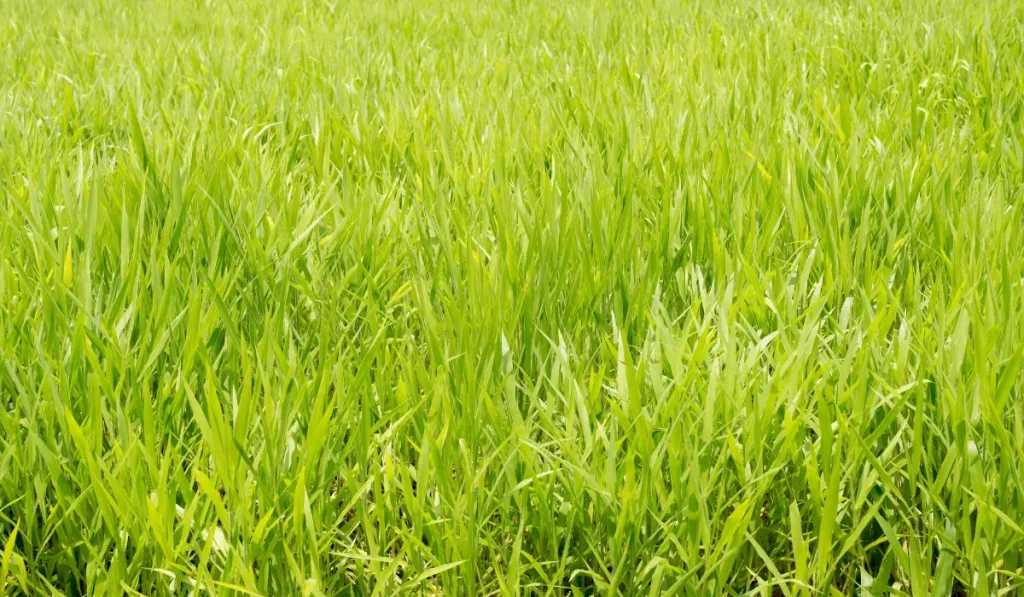
Yes, perennial ryegrass often bounces back after dormancy or damage, especially if the conditions are right. With proper care and the right environment, this hardy grass variety can regrow and restore your lawn to its lush vibrant state.
Perennial ryegrass is known for its resilience and quick recovery, making it a popular choice for lawns and sports fields. If your ryegrass has turned brown or looks patchy, don’t worry — it typically comes back with the right attention. This grass type is designed to withstand wear and tear, but factors like soil health, watering, and sunlight affect its comeback. With a bit of patience and proper maintenance, you’ll see green shoots sprouting again, restoring the beauty of your yard. Keep reading to learn how to support its growth and ensure it comes back stronger than before.

Will Perennial Ryegrass Come Back? An In-Depth Look
Understanding Perennial Ryegrass and Its Growth Cycle
Perennial ryegrass is a popular grass type for lawns, sports fields, and pastures. It is known for its quick germination and lush green appearance. This grass is hardy but has specific growing requirements that influence whether it will return after damage or dormancy.
Growing in cool-season climates, perennial ryegrass thrives during spring and fall. Its growth slows during hot, dry summer months, often leading to browning or dormancy. Understanding its growth cycle helps in predicting if and when it will come back after setbacks.
Common Causes of Damage to Perennial Ryegrass
Many factors can cause perennial ryegrass to look dead or patchy. These include:
- Severe drought or lack of water
- Heavy foot traffic or physical damage
- Fungal diseases such as gray leaf spot or dollar spot
- Over-fertilization or nutrient deficiencies
- Extreme temperature fluctuations
- Grooming or pest attacks
Knowing these causes helps determine if the grass will recover or if action is needed to promote regrowth.
Will Perennial Ryegrass Come Back After Drought?
Drought is one of the most common reasons grass appears dead. Perennial ryegrass can go dormant during dry periods but often comes back with rainfall. Its roots stay alive underground, waiting for moisture to return.
- During drought, the grass may turn brown but not die entirely.
- Once watering resumes, grass fibers start to green up within a few days to weeks.
- Consistent moisture supports faster and more complete recovery.
However, prolonged drought can weaken the roots, making recovery slower or incomplete. Proper irrigation can help perennial ryegrass bounce back effectively.
Recovery After Heavy Foot Traffic or Physical Damage
Foot traffic and physical damage create patches or bare spots on lawns. Perennial ryegrass has a vigorous growth habit, making recovery possible if the roots are still healthy.
Steps to Encourage Regrowth
- Limit traffic on damaged areas to reduce stress.
- Rake to remove dead grass and aerate the soil to improve oxygen flow.
- Apply overseeding with fresh perennial ryegrass seeds to fill patches.
- Maintain proper watering and fertilization to promote new growth.
With proper care, perennial ryegrass can re-establish itself within a few weeks, especially during the cooler months.
Fungal Diseases and Their Impact on Ryegrass Revival
Fungal infections can cause patches or browning, making you wonder if the grass can recover. Some fungi attack the grass blades or roots, damaging its ability to grow.
Signs of Fungal Damage
- Spots or patches with a gray or brown color
- Wet, sticky, or moldy appearance
- Weak or thinning turf
Treatment with appropriate fungicides, combined with cultural practices such as aeration and proper watering, can help the grass recover.
Effect of Temperature Extremes on Perennial Ryegrass
Temperature influences whether perennial ryegrass will come back. It prefers cooler weather, but extreme heat or cold can hinder growth.
Cold Stress and Winter Dormancy
Perennial ryegrass often turns brown in winter, especially in colder climates. However, it generally survives freezing temperatures and resumes growth in spring.
Heat Stress and Summer Dormancy
High temperatures can cause the grass to go dormant, turning brown or straw-colored. It often recovers once temperatures cool down and moisture is available.
How to Promote Recovery of Perennial Ryegrass
Encouraging perennial ryegrass to come back involves proper lawn care practices:
- Regular watering during dry periods
- Proper fertilization to provide essential nutrients
- Overseeding to fill bare or thin patches
- Aerating the soil to improve root health
- Controlling pests and diseases
These steps can ensure the grass has the best chance to recover effectively and maintain a lush, healthy appearance.
Using Overseeding to Support Revival
Overseeding is a key method to boost regrowth in damaged or thinning perennial ryegrass lawns.
Best Practices for Overseeding
- Choose high-quality perennial ryegrass seed suited for your climate.
- Prepare the soil by mowing low and aerating.
- Sow seeds evenly over the existing grass surface.
- Water frequently to keep the soil moist during germination.
- Apply a light fertilizer to support new growth.
Overseeding is especially effective in early fall or spring when temperatures are moderate.
Soil and Nutrient Factors Affecting Ryegrass Recovery
Healthy soil is crucial for perennial ryegrass to come back. Nutrient deficiencies can cause poor growth or failure to recover after damage.
Key Nutrients for Ryegrass
- Nitrogen (N): Promotes lush, green growth
- Phosphorus (P): Supports root development
- Potassium (K): Increases disease resistance and drought tolerance
Testing your soil regularly and amending it with appropriate fertilizers helps ensure the grass has the nutrients needed for regrowth.
Timing and Seasonal Considerations
The season greatly influences ryegrass recovery. Spring and fall are the best times for overseeding and recovery efforts because of favorable temperatures and moisture levels.
Factors to Keep in Mind
- Temperature: Cool but not freezing, and not too hot
- Moisture: Consistent watering supports germination and growth
- Sunlight: Adequate sun promotes healthy growth
Planning your lawn care around these seasons enhances your chances of perennial ryegrass coming back strong.
Related Topics for a Healthy Lawn
Maintaining a healthy environment supports the comeback of perennial ryegrass. Consider topics like:
- Lawn fertilization schedules
- Proper mowing height for ryegrass
- Watering techniques for optimal growth
- Pest and disease management strategies
- Choosing the right grass seed for your climate
Exploring these areas helps in creating a resilient lawn that recovers well from setbacks.
Perennial ryegrass has a good chance of returning after damage if proper care and environmental conditions are met. Understanding the causes of browning or patchiness is key to deciding the right action plan. With patience, suitable interventions, and good lawn management, perennial ryegrass can bounce back, providing a lush and inviting outdoor space.
Perennial Ryegrass Pros and Cons
Frequently Asked Questions
How can I tell if perennial ryegrass will regrow after winter?
To determine if perennial ryegrass will come back after winter, look for signs of healthy growth in early spring. Check for green, upright blades and actively growing shoots. If the grass appears brown or dormant, it might need some time to recover. Proper soil conditions and adequate moisture during the recovery period encourage regrowth.
What factors influence perennial ryegrass’s ability to re-establish in my lawn?
Several factors impact its regrowth, including soil fertility, moisture levels, and sunlight exposure. Well-drained, nutrient-rich soil supports healthy root development. Consistent watering during the growing season helps grass recover, especially after dormancy periods. Proper mowing height and aeration also promote better regrowth possibilities.
How long does it typically take for perennial ryegrass to bounce back after dormancy?
Perennial ryegrass usually starts to recover within a few weeks once favorable conditions return. It can take anywhere from 2 to 6 weeks for noticeable growth, depending on the severity of dormancy and environmental factors. Patience during this period ensures the grass revitalizes effectively.
Are there specific treatments or care practices that help perennial ryegrass come back stronger?
Yes, applying a balanced fertilizer in early spring, maintaining proper watering, and reducing foot traffic help support recovery. Aerating the soil improves oxygen flow to roots, encouraging better growth. Avoid cutting the grass too short during recovery and provide adequate sunlight to strengthen regrowth.
What should I do if my perennial ryegrass hasn’t shown signs of return after the expected period?
If the grass does not show signs of recovery after several weeks, consider reseeding or overseeding the affected areas. Check soil conditions and improve drainage or fertility as needed. Consulting a lawn care specialist can also help identify underlying issues hindering regrowth and develop an appropriate treatment plan.
Final Thoughts
Perennial ryegrass generally comes back after winter, especially if conditions are favorable. It can recover quickly from dormancy, regrowing when temperatures warm up. Proper lawn care, like aeration and watering, encourages healthy regrowth.
Will perennial ryegrass come back? Yes, with proper maintenance, it typically revives each season, giving your lawn a fresh and vibrant appearance.