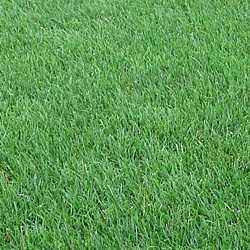
To spread ryegrass seed effectively, use a broadcast spreader or by hand for smaller patches, ensuring even coverage. Follow up with light raking or watering to help the seeds settle and germinate. Keep the soil moist and maintain consistent watering for best results.
Spreading ryegrass seed is a straightforward process that can transform your lawn or garden quickly. The key is to ensure the seeds are evenly distributed and properly cared for during germination. Whether you’re reseeding bare patches or establishing a new lawn, the right technique will give you lush, healthy ryegrass in no time. In this guide, you’ll learn simple steps to achieve a successful sowing, from preparing the soil to watering techniques that boost germination. With a little effort and the right tools, you’ll have a vibrant green carpet covering your space sooner than you think. So, let’s get started on making your outdoor space thrive!

How to Spread Ryegrass Seed Effectively
Spreading ryegrass seed properly is essential for growing a lush, green lawn or pasture. It helps ensure the seeds germinate evenly and develop into healthy plants. Knowing the right steps can make the process easier and more successful. In this guide, we’ll walk through everything you need to know about how to spread ryegrass seed.
Preparing the Soil Before Seeding
The first step to a successful ryegrass lawn is preparing the soil. Healthy soil provides the nutrients and good drainage that young grass needs to grow. Start by testing your soil to check its pH level, aiming for a neutral range of 6.0 to 7.0.
If the soil is too compacted, loosen it using a rake or a garden tiller. Remove any weeds, rocks, or debris that might compete with the ryegrass seeds. Adding compost or organic matter can improve fertility and increase germination rates.
Choosing the Right Ryegrass Seed
Selecting high-quality ryegrass seed is key to a successful planting. There are two main types of ryegrass: perennial and annual. Perennial ryegrass offers long-lasting coverage, while annual ryegrass grows quickly but lasts only for one season.
Look for seed labeled with high purity and germination rates. Check for disease-free seeds and choose a variety suited to your climate and soil conditions. The seed rate varies, but generally, 10 to 15 pounds of seed per 1000 square feet is recommended.
Timing Your Ryegrass Seeding
The timing of sowing significantly impacts germination and growth. The best time to plant ryegrass is during cooler months, typically in early fall or early spring. Planting during these periods allows the grass to establish before the heat of summer or the cold of winter.
Avoid sowing during extreme weather conditions such as drought or heavy rain. Soil temperature should be around 50 to 65 degrees Fahrenheit for optimal germination.
Methods for Spreading Ryegrass Seed
Hand Spreading
For small areas or lawns, hand spreading can be effective. Divide the seed into two portions. Spread the first half over one section, then the second half over the other, walking evenly to avoid clumping. This method ensures even coverage and avoids wasted seed.
Using a Broadcast Spreader
A broadcast spreader facilitates quick and uniform seed distribution over large areas. Adjust the spreader settings according to the seed bag instructions. Walk at a steady pace to ensure even coverage, overlapping slightly when needed.
Using a Drop Spreader
A drop spreader allows for precise placement of seed directly below the spreader. This method is ideal for detailed work or small patches. Make sure to set the appropriate spacing and walk steadily for uniform coverage.
Seeding Techniques for Best Results
Seed and Soil Contact
To improve germination, make sure the seeds have good contact with the soil. Raking lightly after spreading the seed presses it into the soil. Alternatively, using a roller can help increase seed-to-soil contact.
Mixing Seed with Sand or Compost
Mixing ryegrass seed with sand or compost creates a more even spread and helps prevent clumping. This mixture also provides nutrients that aid seed germination and early growth.
Watering and Maintenance
Proper watering is critical during the germination stage. Keep the soil moist but not waterlogged. Light, frequent watering two to three times daily encourages quicker germination and healthier roots.
Once the grass begins to grow, reduce watering frequency but increase depth. Regular mowing helps promote dense growth, but wait until the grass reaches about 3 inches tall before mowing for the first time.
Aftercare and Lawn Management
Fertilizing can support healthy growth. Use a balanced fertilizer suitable for turfgrass, following the manufacturer’s instructions. Aeration and overseeding may be necessary annually to maintain a thick, even ryegrass lawn.
Monitor for weeds or pests that could hinder the growth of new ryegrass. Remove weeds manually or with appropriate herbicides, and manage pests promptly to prevent damage.
Common Mistakes to Avoid
- Overseeding: Too much seed can lead to overcrowding and poor growth.
- Incorrect seeding time: Planting in extreme weather conditions reduces germination chances.
- Neglecting soil preparation: Poor soil leads to weak seedling development.
- Insufficient watering: Dry soil prevents seeds from germinating properly.
Tips for a Successful Ryegrass Lawn
- Test and improve soil quality before planting.
- Select the right seed type for your climate and purpose.
- Seed during optimal seasons for better establishment.
- Use appropriate spreading methods for even distribution.
- Keep the soil consistently moist until the grass is well-established.
- Maintain proper lawn care routines, including mowing, fertilizing, and aeration.
Additional Equipment for Spreading Ryegrass Seed
| Equipment | Best Use |
|---|---|
| Handheld Rake | Light soil raking after seeding |
| Broadcast Spreader | Large areas, rapid coverage |
| Drop Spreader | Detailed work or small patches |
| Garden Roller | Pressing seed into soil for better contact |
Using the right tools can increase efficiency and improve the uniformity of seed distribution. Ensure all equipment is clean and calibrated before use for best results.
Final Thoughts on Spreading Ryegrass Seed
Spreading ryegrass seed properly sets the foundation for a healthy, dense lawn. Taking time to prepare the soil, selecting quality seed, and using effective spreading techniques are crucial. Follow these steps carefully, and you’ll be on your way to a vibrant green lawn that lasts for seasons to come.
Grass & Lawn Maintenance : How to Plant Rye Grass Seed
Frequently Asked Questions
What is the best time of year to spread ryegrass seed?
Choose a time when the soil temperature is between 55°F and 70°F, typically in early spring or fall. These periods provide optimal conditions for seed germination and growth, reducing the risk of drought stress or frost damage during establishment.
How should I prepare the soil before spreading ryegrass seed?
Begin by removing any existing weeds, rocks, and debris from the area. Loosen the soil to a depth of at least 2 inches using a rake or tiller. If necessary, incorporate some compost or soil conditioner to improve fertility and drainage, creating a welcoming environment for the ryegrass seeds.
What techniques can I use to evenly distribute ryegrass seed?
Use a broadcast spreader or seed spreader to apply the seed uniformly across the area. Walk steadily to ensure even coverage, and consider applying the seed in two passes at right angles to each other for better distribution. This helps prevent thin spots and promotes uniform growth.
How much seed should I apply per square foot for optimal coverage?
Typically, apply about 8 to 12 seeds per square inch, which translates to roughly 15 to 20 pounds per acre. For smaller areas, follow the seed package recommendations. Proper seeding rates ensure dense coverage without wastage while encouraging healthy growth.
Should I water immediately after spreading ryegrass seed?
Yes, lightly water the area immediately after seeding to keep the soil moist. Maintaining consistent moisture is vital during germination, usually for the first two to three weeks. Regular watering ensures the seeds stay moist without becoming waterlogged, promoting healthy root development.
Final Thoughts
To spread ryegrass seed effectively, choose a suitable method such as broadcasting or using a seed spreader. Ensure the soil is prepared by leveling and removing debris for even coverage.
Apply the seed at the recommended rate, walking slowly to cover the area uniformly. Water the area immediately after spreading to help the seeds establish.
In conclusion, focusing on proper preparation and consistent application is key to successful germination. Remember, how to spread ryegrass seed with precision increases the likelihood of a lush, healthy lawn.