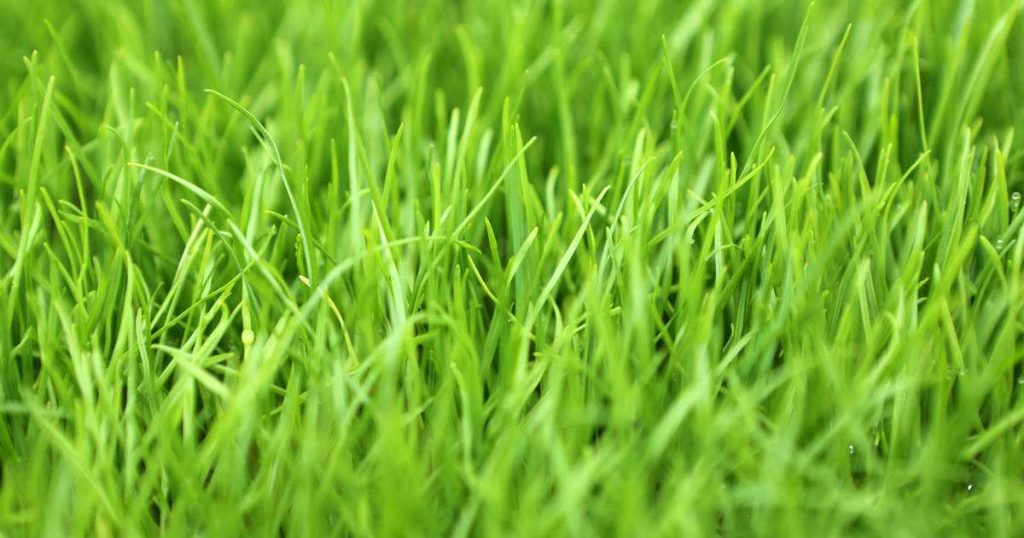
Yes, ryegrass is generally a perennial plant. It comes back year after year, making it a popular choice for lawns, pastures, and sports fields. Depending on the variety, ryegrass can be short-lived or long-lasting, but most types are perennial, meaning they will persist with proper care.
Ryegrass is a versatile and resilient grass that many gardeners and farmers rely on for its quick germination and lush green appearance. If you’re wondering whether ryegrass will be a lasting addition to your landscape, you’ll be glad to know that most varieties grow back annually, providing a durable and beautiful ground cover with proper maintenance. Understanding the type of ryegrass you choose and how to care for it can ensure you enjoy its benefits year after year.

Is Ryegrass a Perennial?
Many gardeners and landscapers wonder if ryegrass is a perennial plant. Knowing whether ryegrass lives for more than two years helps decide if it is a good choice for long-term lawns and pastures. This article explains everything about ryegrass and its life cycle to help you make an informed decision.
What Does Perennial Mean?
A perennial plant is one that survives for multiple years. Unlike annuals, which complete their life cycle in one season, perennials grow back each year from roots or underground stems. This means you don’t have to replant them every year, saving time and effort.
Types of Ryegrass
There are mainly two types of ryegrass: perennial ryegrass and annual ryegrass. Both belong to the genus Lolium but have distinct characteristics. Understanding these differences is important for gardeners choosing the right ryegrass for their needs.
Perennial Ryegrass (Lolium perenne)
This type is known for its durability and ability to persist across many seasons. Perennial ryegrass has a fine texture and grows quickly, making it ideal for lawns and sports fields. It thrives in cool, moist environments and can last for several years with proper care.
Annual Ryegrass (Lolium multiflorum)
In contrast, annual ryegrass completes its entire life cycle within a single year. It germinates, grows, flowers, and then dies all in one season. It is often used as a temporary cover crop or for quick pasture growth.
Is Ryegrass a Perennial? The Answer
Yes, there is a type of ryegrass that is perennial. **Perennial ryegrass** (Lolium perenne) is a member of the grass family that lives for more than two years. It is widely used in lawns, sports fields, and pastures due to its longevity.
Characteristics of Perennial Ryegrass
Perennial ryegrass has several features that make it popular among gardeners and farmers. These include rapid germination, dense growth, and good tolerance for foot traffic. Its fine leaf blades create a lush, green appearance.
Growth Habits
Perennial ryegrass grows in dense mats with a strong root system. It spreads quickly through tillering, which is the process where new shoots develop from existing plants. This makes it excellent for creating a thick lawn or pasture.
Climate Suitability
This grass prefers cooler temperatures and moist soil conditions. It often struggles in hot, dry areas but can tolerate some drought once established. Proper watering and mowing help maintain its health.
Care and Maintenance of Perennial Ryegrass
To keep perennial ryegrass healthy, regular maintenance is necessary. Mowing at the right height promotes dense growth, while fertilization ensures it receives essential nutrients. Aeration helps air exchange in compacted soil, encouraging root development.
Watering
Deep and infrequent watering is best to promote strong roots. During dry spells, supplement rainfall with irrigation to prevent stress and keep the grass green.
Fertilization
- Apply nitrogen-rich fertilizer in spring and fall for continuous growth.
- Follow recommended application rates to avoid over-fertilizing.
Seeding and Establishment
Perennial ryegrass germinates quickly, often within a week under optimal conditions. Reseeding may be required annually to maintain density and health.
Advantages of Perennial Ryegrass
There are many benefits to choosing perennial ryegrass for your lawn or pasture:
- Fast germination and establishment
- Creates a dense, lush green cover
- High tolerance to wear and foot traffic
- Good regeneration after damage
- Compatible with cool and moderate climates
Limitations of Perennial Ryegrass
While it offers many advantages, perennial ryegrass also has some limitations:
- Less drought-tolerant than other grass types
- Can be prone to disease if poorly maintained
- Requires regular mowing and fertilization
- May not perform well in hot, arid regions
Comparing Perennial Ryegrass with Other Grasses
Understanding how perennial ryegrass stacks up against similar grasses helps in selecting the right kind for your project. Here is a quick comparison:
| Grass Type | Life Cycle | Climate Suitability | Durability | Growth Rate |
|---|---|---|---|---|
| Perennial Ryegrass | Lives more than 2 years | Cool to moderate climates | High | Fast |
| Annual Ryegrass | Completes life cycle in 1 year | Cool, moist environments | Moderate | Fast |
| Bermuda Grass | Perennial in warm climates | Warm, tropical areas | High in heat | Fast |
| Kentucky Bluegrass | Perennial | Cooler regions | Moderate | Moderate |
Using Ryegrass in Your Lawn or Pasture
Perennial ryegrass is popular for creating a durable, lush lawn or pasture. It pairs well with other grasses like fescue or Kentucky bluegrass for a more resilient turf. Overseeding annually helps maintain a thick, healthy appearance.
Best Practices for Establishment
- Choose high-quality seed tailored for your climate
- Prepare the soil by aerating and leveling
- Plant in early spring or fall for best results
- Keep the soil moist during germination
Growing Perennial Ryegrass in Different Regions
Region-specific factors influence how well perennial ryegrass performs. In cooler, wetter areas, it thrives naturally. In drier or hotter zones, additional care or alternative grasses may be necessary.
In Cooler Climates
Perennial ryegrass can grow year-round, providing a vibrant green lawn. Regular watering and fertilization keep it healthy during long, wet winters.
In Warmer Climates
It may need extra watering during hot periods. Combining ryegrass with drought-tolerant grasses can improve survival in these environments.
Overall, perennial ryegrass is a **long-lasting** and **adaptable** grass suitable for many purposes. Its ability to survive multiple years makes it a good investment for those seeking a durable, attractive lawn or pasture. Proper care and the right climate ensure perennial ryegrass remains a dependable choice for years to come.
Perennial Ryegrass Pros and Cons
Frequently Asked Questions
How does the growth cycle of ryegrass support its status as a perennial?
Ryegrass has a growth cycle that allows it to survive through multiple seasons. It develops strong root systems that store energy, enabling it to regrow after winter or dry periods. This resilience to seasonal changes indicates its perennial nature, allowing it to persist and thrive year after year under proper management.
What environmental conditions are necessary for ryegrass to stay perennial?
Ryegrass remains perennial when it receives adequate moisture, suitable soil conditions, and moderate temperatures. It prefers moist, well-drained soils and benefits from regular mowing and fertilization. When these conditions are met, ryegrass maintains its vitality and continues to grow for many years.
Can ryegrass be cultivated in different climates as a perennial crop?
Yes, ryegrass adapts to a variety of climates, especially temperate regions. It performs well in areas with mild winters and moderate summer heat. Its adaptability allows it to be used as a perennial pasture or turf grass across diverse environments, provided it receives proper care and suitable growing conditions.
How does ryegrass’s root system contribute to its perennial growth habit?
The extensive and deep root systems of ryegrass enable it to access water and nutrients more effectively. These roots help the plant recover quickly after stress or damage, supporting its ability to come back season after season. This persistent root system is a key factor in its classification as a perennial species.
What are the benefits of planting ryegrass as a perennial grass?
Planting ryegrass as a perennial provides long-term cover with less need for replanting each year. It stabilizes soil, reduces erosion, and offers a consistent forage source or turf. Its resilience and quick regrowth make it a cost-effective choice for maintaining lush, healthy grounds over time.
Final Thoughts
Ryegrass is generally considered a perennial, making it a popular choice for lawns and pastures. Its ability to grow back year after year reduces the need for replanting and maintenance.
Understanding if ryegrass is a perennial helps in planning sustainable landscapes. It adapts well to various climates and soil types, ensuring long-term growth.
In conclusion, is ryegrass a perennial? Yes, it is. Its perennial nature offers lasting benefits for both lawns and grazing fields.