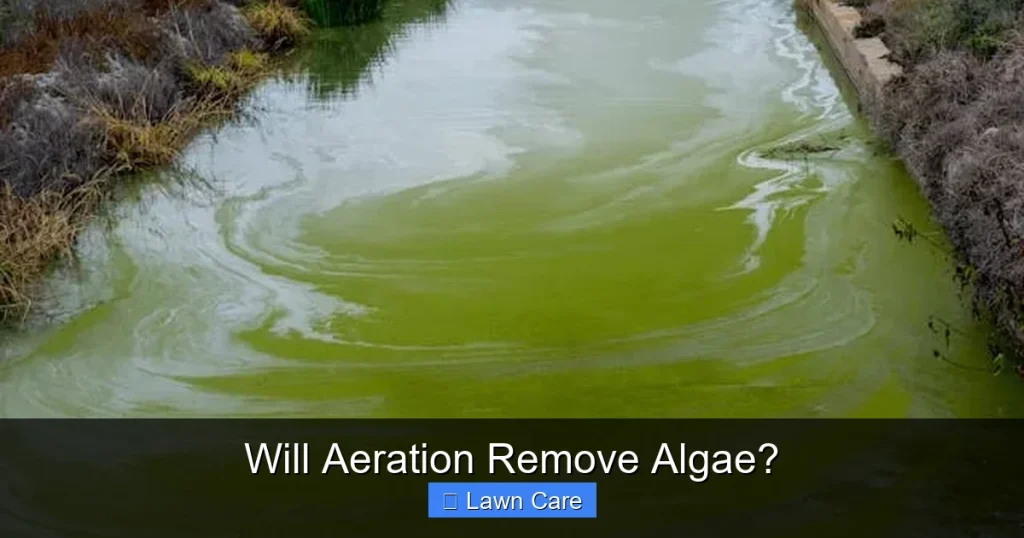
Aeration doesn’t directly kill algae, but it significantly improves pond health, making it less hospitable for algal blooms. By increasing oxygen levels and promoting beneficial bacteria, aeration helps break down organic matter that fuels algae. It’s a crucial step in long-term algae management, often used in conjunction with other methods for best results.
# Will Aeration Remove Algae?
Let’s talk about your pond. You know, that watery spot in your yard that’s supposed to be a tranquil oasis, but sometimes looks more like a pea soup experiment? If you’re dealing with pesky algae blooms, you’ve probably wondered about every possible solution. One common question that pops up is: Will aeration remove algae? It’s a fair question, and the answer is a little more nuanced than a simple yes or no.
We’ve all seen those green, slimy layers or cloudy green water that signal an algae overgrowth. It’s not only unsightly but can also be harmful to fish and other aquatic life. So, when you hear about pond aeration, you might think, “Great! A machine that sucks up all that green gunk!” While aeration is incredibly beneficial for your pond’s health, it doesn’t directly *remove* algae in the way you might imagine. Instead, it creates an environment where algae has a much harder time thriving.
Think of your pond like a garden. If you just have weeds, pulling them is a direct solution. But what if the soil is depleted and the conditions are perfect for weeds to return? You need to improve the soil itself. Aeration is like improving the soil of your pond. It tackles the root causes of algae growth by boosting the overall health of the aquatic ecosystem. So, while it won’t instantly clear your pond of existing algae, it’s a powerful tool for long-term algae management and prevention.
## Understanding Algae Blooms
Before we dive into how aeration helps, let’s quickly touch on why algae blooms happen in the first place. Algae are tiny, plant-like organisms that are naturally present in most water bodies. Under the right conditions, their populations can explode, leading to what we call an algal bloom.
### What Feeds Algae?
The main culprits behind excessive algae growth are excess nutrients in the water. These nutrients, often phosphorus and nitrogen, act like fertilizer for algae. Where do these nutrients come from?
* **Runoff:** Fertilizers from lawns and gardens, animal waste, and even decaying organic matter can wash into ponds.
* **Decomposing Organic Matter:** Leaves, grass clippings, and dead aquatic plants sink to the bottom and decompose. This decomposition process releases nutrients back into the water.
* **Fish Waste:** Overfeeding fish or having too many fish in a pond can contribute to nutrient buildup.
* **Sediment:** Nutrient-rich sediment at the bottom of the pond can also be a source.
When there’s an abundance of these nutrients and plenty of sunlight, algae can multiply rapidly, often outcompeting other aquatic plants for resources. This can lead to thick, green mats on the surface or a murky, green tint throughout the water.
### The Oxygen Connection
Another critical factor in the algae equation is dissolved oxygen. While algae produce oxygen during the day through photosynthesis, they consume it at night. More importantly, when algae die, their decomposition is carried out by bacteria, and this process consumes a significant amount of dissolved oxygen. In a pond with limited oxygen, this can create an anaerobic (oxygen-deprived) environment, which is unhealthy for fish and other aquatic life. Stagnant water, with little to no circulation, exacerbates this problem by trapping deoxygenated water near the bottom and preventing fresh oxygen from reaching it.
## How Aeration Works for Your Pond
Now, let’s get to aeration. Pond aeration is the process of introducing oxygen into the water. It’s usually done through an aerator that either pumps air into the water via diffusers or by a surface aerator that agitates the water’s surface, allowing for more gas exchange.
### Boosting Dissolved Oxygen
The primary benefit of aeration is increasing the amount of dissolved oxygen in the water. This is vital for a healthy pond ecosystem.
* **Healthier Fish:** Fish and other aquatic creatures need oxygen to breathe. Increased oxygen levels support a more robust population.
* **Beneficial Bacteria Activation:** This is where the indirect algae control comes in. In oxygen-rich environments, beneficial bacteria populations flourish. These bacteria are nature’s clean-up crew; they break down organic matter at the bottom of the pond. When organic matter decomposes in the absence of sufficient oxygen (anaerobic decomposition), it releases nutrients that fuel algae. Aerobic decomposition, on the other hand, is much more efficient and consumes nutrients rather than releasing them.
* **Reduced Ammonia and Methane:** Aerobic bacteria also help break down harmful compounds like ammonia and methane, which can be toxic to aquatic life.
### Enhancing Water Circulation
Many aeration systems also help circulate the water. This is another crucial factor in preventing algae.
* **Preventing Stagnant Zones:** Stagnant water is an ideal breeding ground for algae. Circulation helps break up these zones, moving water throughout the pond.
* **Distributing Oxygen:** Circulation ensures that the oxygen-rich water from the aerator reaches all parts of the pond, including the bottom where decomposition occurs.
* **Bringing Nutrients to the Surface (and bacteria):** While it might sound counterintuitive, circulation can bring nutrients up from the bottom. However, in an aerated pond, these nutrients are then more readily available to beneficial bacteria and aquatic plants, rather than just feeding free-floating algae.
## The Indirect Impact on Algae
So, how does all this help with algae? It’s all about creating a less hospitable environment for algal blooms.
### Starving the Algae
By promoting the growth of beneficial bacteria, aeration effectively “starves” the algae. These bacteria consume the organic debris and nutrients that algae would otherwise use. As the bacteria break down this material, they lock up nutrients, making them unavailable for algal growth. It’s like removing the fertilizer from a garden bed where you don’t want weeds to grow.
### Creating a Balanced Ecosystem
A well-oxygenated and circulating pond is a more balanced ecosystem. This balance makes it harder for any one organism, like algae, to dominate. Native aquatic plants, which also compete with algae for nutrients and sunlight, can thrive in healthier water conditions.
### Breaking Down Organic Sludge
Over time, ponds can accumulate a layer of organic sludge on the bottom. This sludge is a prime source of nutrients. Aeration, by supporting aerobic bacteria, helps break down this sludge layer more efficiently, reducing the nutrient reservoir that fuels algae. This process takes time, but it’s a key part of long-term pond health.
## When Aeration Isn’t Enough on Its Own
It’s important to be realistic. While aeration is a powerful tool, it’s not a magic bullet that will instantly make all your algae disappear. If you have a severe algae bloom already present, aeration alone might not be enough to clear it.
### Existing Algae Blooms
When a pond is choked with algae, there are already massive populations of these organisms. Aeration will help improve the underlying conditions, but the existing algae will still be there. In such cases, you might need to consider other methods in conjunction with aeration.
### Nutrient Overload
If your pond is receiving a massive influx of nutrients from external sources (like heavy fertilizer runoff from a nearby farm or a large septic system leak), aeration might be fighting an uphill battle. Addressing the source of the nutrient overload is crucial.
### Other Algae Control Methods
For immediate algae reduction, you might need to consider:
* **Algaecides:** These chemicals kill algae on contact. However, they must be used carefully, as a large die-off can lead to oxygen depletion (the opposite of what aeration does). Always follow product instructions and consider the potential impact on fish.
* **Barley Straw:** As barley straw decomposes in the water, it releases compounds that are thought to inhibit algae growth. It’s a natural method that can be effective for mild to moderate algae problems.
* **Beneficial Bacteria Products:** While aeration boosts natural bacteria, you can also add commercially available beneficial bacteria products to give your pond’s clean-up crew a jump-start. These can be particularly helpful in breaking down organic matter faster.
* **Physical Removal:** For surface algae, you can sometimes skim it off the top, though this is often a temporary fix for large blooms.
For example, if you’re dealing with a heavy blanket of filamentous algae, aeration will help prevent it from coming back in force after you address the current bloom. But you might need to manually remove the thickest mats or use a targeted treatment first.
## Practical Tips for Using Aeration for Algae Control
To get the most out of your aeration system for algae management, consider these tips:
### Choose the Right System
Not all aeration systems are created equal.
* **Pond Size and Depth:** Ensure your aerator is sized appropriately for your pond’s volume and depth. An undersized system won’t provide sufficient oxygenation or circulation. A system designed for a small garden pond won’t be effective for a larger recreational lake.
* **Type of Aerator:** For algae control, systems that oxygenate the entire water column, including the bottom, are often most effective. This usually means using a diffused aeration system, which pumps air from the shore or a floating platform down to the bottom via weighted tubing and diffusers. Surface aerators primarily oxygenate the top layer.
### Proper Placement and Maintenance
* **Diffusers at the Bottom:** If using a diffused system, place diffusers in the deepest part of the pond to ensure optimal circulation and oxygenation of the bottom layer.
* **Regular Maintenance:** Keep your aeration system clean and in good working order. Clogged diffusers or a failing pump will reduce its effectiveness.
### Long-Term Strategy
* **Be Patient:** Aeration is a long-term solution. Don’t expect overnight results. It takes time for the beneficial bacteria to establish and for the ecosystem to rebalance.
* **Combine with Good Practices:** Continue to manage nutrient sources. Avoid over-fertilizing your lawn that drains into the pond, manage leaf litter, and avoid overfeeding fish.
* **Monitor Your Pond:** Keep an eye on your pond’s water quality and algae levels. This will help you assess the effectiveness of your aeration system and determine if additional measures are needed. If you notice improved clarity and reduced algal growth over time, your aeration is likely doing its job.
It’s also worth noting that aeration is incredibly beneficial for fish health, making it a worthwhile investment for any pond owner, even if algae reduction wasn’t the primary goal. A healthy pond is a beautiful pond!
## Conclusion: Aeration as a Key Ally Against Algae
So, will aeration remove algae? Directly, no. It won’t physically pull the algae out of your water or kill it instantly. However, aeration is a powerful, indirect weapon in the fight against algal blooms. By flooding your pond with vital oxygen, it empowers beneficial bacteria to break down the organic matter that algae feeds on. It promotes water circulation, preventing stagnant areas where algae thrives. Ultimately, aeration helps create a balanced, healthy aquatic ecosystem that is naturally resistant to overwhelming algae growth.
Think of it as building a stronger defense system for your pond. While you might still need to deal with an existing algae problem using other methods, implementing a good aeration system is one of the most effective long-term strategies for keeping your pond clear and healthy. It’s an investment in the overall well-being of your water feature, ensuring it remains a beautiful and thriving environment for years to come. If you’re looking to improve your pond’s health and minimize algae issues, aeration is definitely a crucial piece of the puzzle.
Key Takeaways
- Aeration increases dissolved oxygen levels in water. This is crucial for a healthy aquatic ecosystem and benefits beneficial bacteria.
- Beneficial bacteria thrive in oxygen-rich environments. These bacteria consume organic matter, which is a primary food source for algae.
- Aeration helps circulate water. This prevents stagnant areas where algae often flourish and can distribute nutrients more evenly.
- Aeration indirectly reduces algae by improving overall water quality. It doesn’t directly kill existing algae but makes the environment less favorable for its growth.
- Ponds with existing algae issues may still require other treatments. Aeration is a preventative and supportive measure, not a sole solution for severe algae blooms.
- Proper aeration systems should be matched to pond size and depth. Undersized systems may not provide sufficient benefits for algae control.
- Aeration is a long-term solution for pond health. It contributes to a balanced ecosystem that is naturally more resistant to algal overgrowth.
Quick Answers to Common Questions
What is pond aeration?
Pond aeration is the process of adding oxygen to the water, typically done using an aerator that either pumps air through diffusers at the bottom of the pond or a surface aerator that agitates the water.
Does aeration kill algae directly?
No, aeration does not directly kill algae. It improves water quality, making the environment less favorable for algal growth.
How does aeration help reduce algae indirectly?
Aeration boosts dissolved oxygen, which encourages beneficial bacteria to break down organic matter and nutrients that algae feed on. It also improves water circulation, preventing stagnant areas.
Can aeration solve severe algae problems on its own?
For severe algae blooms, aeration alone may not be enough. It’s best used in conjunction with other methods like algaecides or physical removal for immediate results, while aeration works on long-term prevention.
What is the main benefit of aeration for a pond?
The main benefit of aeration is increasing dissolved oxygen levels, which is essential for the health of fish and aquatic life, and supports beneficial bacteria that contribute to a cleaner pond.
Frequently Asked Questions
Will aeration make my pond water clearer?
Yes, over time, aeration can lead to clearer water. By breaking down organic matter and preventing algae blooms, it contributes to a more aesthetically pleasing pond.
How long does it take for aeration to show results in algae reduction?
Results can vary, but it typically takes several weeks to months of continuous aeration to significantly impact algae levels by improving the pond’s ecosystem health.
Is aeration safe for fish and other pond life?
Yes, aeration is very safe and beneficial for fish and other aquatic life as it increases the oxygen levels they need to survive and thrive.
What kind of aeration system is best for algae control?
Diffused aeration systems, which deliver oxygen to the bottom of the pond, are generally considered more effective for combating algae by treating the entire water column and the pond’s bottom layer.
Can aeration help with pond odor?
Yes, aeration significantly reduces pond odors. Stagnant, low-oxygen water often produces unpleasant smells from anaerobic decomposition, which aeration prevents by promoting aerobic processes.
Should I turn my aerator off in winter?
In most climates, it is recommended to keep aeration running year-round. It helps prevent fish kills by maintaining open water for gas exchange and keeping the water column mixed, even in colder temperatures.