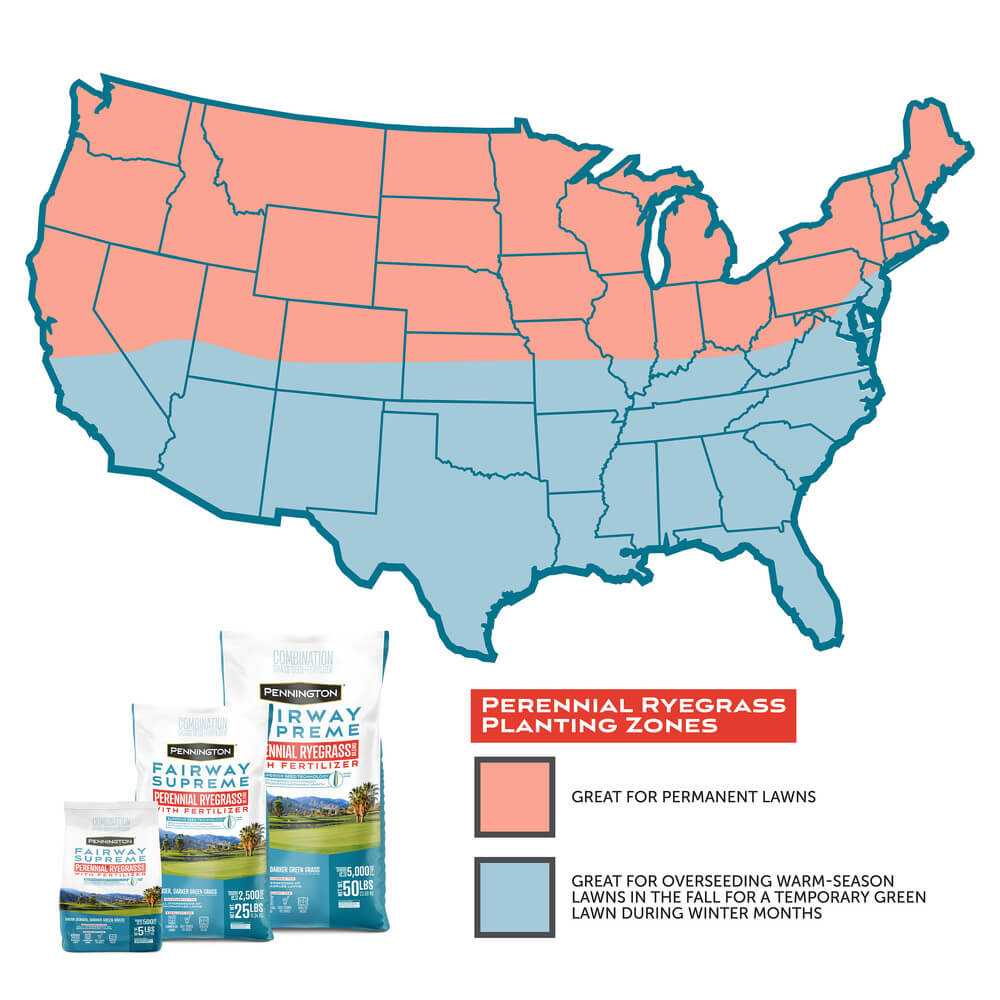
Perennial ryegrass thrives best in cool, temperate climates with ample sunlight and well-drained soils. It is a popular choice for lawns, sports fields, and pastures because of its lush green appearance and quick germination. The grass prefers areas where temperatures stay between 50°F and 70°F, making it ideal for regions with mild summers and cool winters. Proper soil preparation and consistent watering further enhance its growth. If you’re wondering where perennial ryegrass will flourish in your yard, focusing on these conditions will give you the best results.
Perennial ryegrass grows most successfully in areas with moderate temperatures, good fertility, and adequate moisture. It adapts well to a variety of soil types but performs best in those that are rich in nutrients and well-drained. This grass is renowned for its rapid establishment and resilience, making it a favorite for creating durable, attractive lawns or sports fields. Whether in the northern United States or parts of Europe, understanding its ideal environment will help you achieve a vibrant, healthy turf.

Where Does Perennial Ryegrass Grow Best
Understanding the Growing Conditions for Perennial Ryegrass
Perennial ryegrass is a popular grass type known for its fast germination and lush appearance. It thrives best in environments that provide the right balance of sunlight, soil quality, and moisture. Knowing the ideal conditions helps ensure healthy, vibrant lawns and sports fields.
Climate Requirements for Optimal Growth
Perennial ryegrass prefers temperate climates with moderate temperatures. It grows best when daytime temperatures stay between 55°F to 75°F (13°C to 24°C). In regions with hot summers, it may struggle unless well-watered and properly maintained.
Sunlight and Shade Tolerance
This grass type loves full sun but can tolerate some shade. For best results, plant perennial ryegrass in areas that receive at least four to six hours of direct sunlight each day. Too much shade can hinder growth and lead to patchy lawns.
Soil Conditions for Flourishing Perennial Ryegrass
Healthy soil is key to the success of perennial ryegrass. It prefers well-draining loamy or sandy soils rich in organic matter. Soil pH should range from 5.5 to 7.5 for optimal nutrient uptake.
Soil Preparation Tips
Before planting, test your soil to determine its pH and nutrient levels. Add organic compost or fertilizers to improve fertility. Proper aeration helps roots penetrate deeply and prevents compaction.
Watering Needs for Best Growth
Consistent moisture keeps perennial ryegrass lush and healthy. It requires about 1 to 1.5 inches of water weekly, preferably through deep watering sessions. Avoid overwatering, which can lead to disease and root rot.
Ideal Soil Temperature Range
The grass grows best when soil temperatures are between 50°F to 70°F (10°C to 21°C). During colder months, growth slows, making fall and early spring the best times for planting and establishing new lawns.
Optimal Growing Regions for Perennial Ryegrass
Perennial ryegrass is versatile but thrives most in specific regions. It is particularly well-suited to areas with mild winters and cool, moist summers. Commonly, it is used in the northern United States, parts of Europe, and other temperate zones.
Regional Adaptations and Considerations
In warmer climates, perennial ryegrass often requires irrigation and shade management. In colder areas, it can serve as a temporary or overseeding grass to maintain turf quality during winter.
Soil Fertility and Nutrient Management
Maintaining proper soil nutrients is essential for healthy perennial ryegrass. It responds well to nitrogen-rich fertilizers, which promote quick, dense growth. Phosphorus and potassium are also important for rooting and overall health.
Fertilizer Application Schedule
Apply fertilizer approximately every six to eight weeks during the growing season. Use a balanced fertilizer with a nitrogen-phosphorus-potassium ratio suited for turfgrass needs.
Proper Maintenance for Perennial Ryegrass
Regular mowing at heights of 1.5 to 2.5 inches encourages dense growth and discourages weeds. Aeration and dethatching improve air circulation and water penetration, fostering strong root systems.
Common Pests and Diseases in Growing Regions
Perennial ryegrass can be affected by pests like grubs and disease issues such as brown patch or rust. Proper irrigation, aeration, and fungicide applications help prevent outbreaks. Adjusting maintenance based on regional climate can reduce these problems.
Summary: Best Locations for Perennial Ryegrass Cultivation
Perennial ryegrass grows best in regions with:
- Temperate climate with moderate temperatures
- Well-draining, fertile loam or sandy soils
- Full to partial sunlight
- Consistent, moderate moisture levels
This grass adapts well to lawns, sports fields, and parks where these conditions are met. Proper site selection and maintenance ensure lush, vigorous growth year-round.
Related Topics for Growing Success
To optimize perennial ryegrass growth, consider:
- Soil testing and amendment
- Proper irrigation techniques
- Seasonal overseeding practices
- Choosing the right grass varieties for your region
Knowing where perennial ryegrass grows best helps you plan successful planting and maintenance strategies. By providing the right environment, you can enjoy a beautiful, durable lawn or sports surface that stays healthy and vibrant.
Perennial Ryegrass Pros and Cons
Frequently Asked Questions
What soil conditions are ideal for perennial ryegrass to thrive?
Perennial ryegrass grows best in well-drained soils that are rich in nutrients. It prefers a pH level between 5.5 and 7.5. Healthy soil with good aeration and moisture retention promotes vigorous growth, so it’s essential to prepare the soil properly before planting and amend it with organic matter if needed.
How much sunlight does perennial ryegrass require for optimal growth?
Perennial ryegrass performs well in areas that receive full sun to partial shade. While it thrives with at least 4 to 6 hours of direct sunlight daily, providing ample sunlight helps the grass develop a dense, lush appearance and maintain its color throughout the growing season.
What climate conditions are suitable for growing perennial ryegrass?
This grass variety prefers temperate climates with moderate rainfall and temperatures ranging from 55°F to 75°F (13°C to 24°C). It can tolerate some cold and drought conditions but thrives in regions with consistent moisture and mild seasonal changes. Proper irrigation during dry periods supports healthy growth.
Are there specific regions where perennial ryegrass naturally thrives?
Perennial ryegrass naturally does well in regions with cool, moist climates, such as parts of Europe, North America, and New Zealand. It adapts well to areas with moderate temperatures and regular rainfall, making it a popular choice for lawns, sports fields, and pastures in these regions.
Can perennial ryegrass adapt to different soil textures?
Yes, perennial ryegrass adapts to various soil textures, including loamy, sandy, and clay soils. However, it performs best in loamy soils that provide good drainage and fertility. When growing in less ideal soils, gardeners should improve soil structure by adding organic matter to promote healthy root development.
Final Thoughts
Perennial ryegrass thrives best in temperate regions with well-drained, fertile soil. It prefers full sunlight for optimal growth and is quite adaptable to different climates. Regular maintenance and proper watering ensure healthy, lush lawns.
Where does perennial ryegrass grow best? It performs best in areas with moderate rainfall and temperatures between 50°F and 75°F. Proper soil preparation enhances its growth, making it a popular choice for lawns and sports fields.