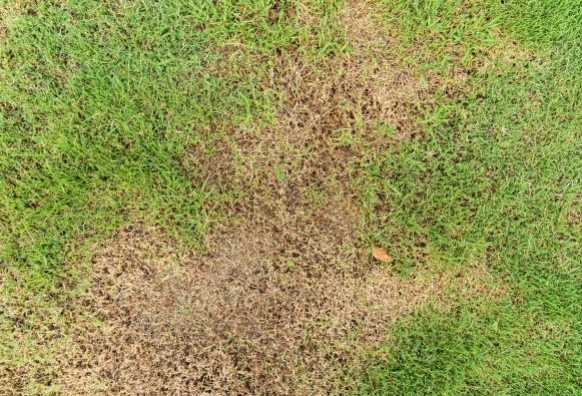
If you spot strange spots or fuzzy patches on your Bermuda grass, it’s likely a fungal infection, but don’t worry—early identification and treatment can save your lawn. Recognizing the signs quickly helps prevent the fungus from spreading and damaging your grass further.
In short, Bermuda grass fungus often appears as discolored patches, mold, or fuzzy growth, and it can be caused by various fungi like dollar spot, brown patch, or leaf spot. Proper diagnosis and timely treatment are key to restoring your lawn’s health.
A lush, green Bermuda grass lawn is the envy of any homeowner, but fungal infections can quickly turn it into a dull, patchy mess. These fungi thrive in hot and humid conditions, making Bermuda grass especially vulnerable during the summer months. If you notice unusual discoloration, spots, or moldy patches, it’s essential to act fast. In this article, we’ll explore common Bermuda grass fungi, how to identify them through pictures, and effective ways to combat these pesky infections. Understanding what these fungal issues look like will help you take quick, effective steps to keep your lawn healthy and vibrant all season long.

Bermuda Grass Fungus Pictures: A Complete Guide to Identifying and Managing Turf Fungi
Understanding Bermudagrass and Its Susceptibility to Fungal Diseases
Bermuda grass is a popular warm-season turfgrass known for its durability and lush green appearance. However, it can often be troubled by various fungal infections that affect its health. These fungi thrive in warm, humid conditions, making Bermuda grass prone to infections during hot summer months. Recognizing these fungi early helps keep your lawn healthy and vibrant.
Common Types of Bermuda Grass Fungi with Visual Descriptions
Several fungi infect Bermuda grass, each with distinctive visual signs. Here are some of the most common types, along with descriptions to help you identify them:
Gray Leaf Spot (Cercospora spp.)
Gray leaf spot is a prevalent disease characterized by small, oval-shaped lesions that begin as yellowish spots. As the disease progresses, these spots enlarge, turning gray with dark borders. They often appear on the upper leaves and can cause significant thinning of the turf.
Dollar Spot (Clarireedia spp.)
Dollar spot manifests as tiny, sunken, circular patches that resemble silver-dollar coins. These spots usually measure about 1 to 6 inches across and can coalesce to form larger patches. The affected grass may appear bleached or straw-colored.
Brown Patch (Rhizoctonia solani)
Brown patch creates rounded, irregular patches of dead or dying grass. The edges are often slightly darker, with a halo of yellowing grass surrounding the dead area. This fungus prefers warm, moist conditions and can cause rapid turf decline.
Leaf Spot Diseases
Leaf spot diseases produce small, dark lesions scattered on the leaf blades. The spots can be round or irregular and may lead to premature leaf death, weakening the overall plant health.
Visual Guide to Bermuda Grass Fungi Pictures
Visual aids are essential when diagnosing fungal infections. Here are some key features to look for in Bermuda grass fungus pictures:
- Color Changes: Note color shifts such as yellowing, browning, or gray patches.
- Lesion Shapes: Observe whether spots are round, oval, or irregular.
- Size of Patches: Measure whether fungal patches are small or large.
- Signs of Mold or Mycelium: Some fungi produce fuzzy or mold-like growths visible on grass blades or stems.
How to Take Effective Bermuda Grass Fungus Pictures
Capturing clear, informative pictures of affected Bermuda grass involves some simple steps:
Choose the Right Lighting
Photograph your lawn during daylight hours, preferably in the morning or late afternoon, to avoid harsh shadows and glare.
Focus on the Symptoms
Zoom in on affected areas showing spots, discoloration, or mold to capture details that can aid in diagnosis.
Use a Good Camera or Smartphone
Modern smartphones with macro capabilities can take close-up shots that reveal fine details of fungal spots.
Capture Multiple Angles
Take pictures from different angles and distances to provide a comprehensive view of the symptoms.
Maintain Good Image Quality
Ensure images are sharp, well-lit, and in focus to facilitate accurate identification.
Importance of Accurate Fungus Identification
Knowing exactly which fungus is infecting your Bermuda grass guides the right treatment. Misidentification can lead to ineffective remedies that allow the disease to spread further. Visual clues from fungus pictures help turf professionals and homeowners determine the correct course of action.
Visual Differences Between Fungal Diseases and Other Lawn Problems
Not all lawn issues are fungal. Patches caused by insects, drought, or nutritional deficiencies may resemble fungal symptoms. Comparing Bermuda grass fungus pictures with images of common problems helps avoid confusion.
| Issue | Visual Clues | Key Difference from Fungal Diseases |
|---|---|---|
| Insect Damage | Irregular holes, chewed edges, or presence of insects | Insects are visible or cause physical damage without fungal spots |
| Drought Stress | Wilting, brown patches, or dry soil | Usually lacks fungal spots or mold growth |
| Nutritional Deficiency | Yellowing or pale patches without spots | Symptoms are uniform without distinctive lesions |
Factors That Promote Bermuda Grass Fungal Growth
Understanding environmental conditions helps prevent fungal infections. Areas with high humidity, excessive watering, poor drainage, or inadequate air circulation are more prone to fungal problems. Maintaining proper lawn care reduces fungal growth and improves grass resilience.
Ideal Conditions for Fungal Development
- Warm Temperatures: Most fungi grow best between 70°F and 90°F.
- High Humidity and Moisture: Frequent rain or overwatering create ideal conditions.
- Overly Dense Turf: Poor airflow encourages fungal spores to settle and invade.
- Compacted Soil: Limits root development and impedes drying of the grass surface.
Preventive Measures with Visual Cues
Implementing good lawn practices can prevent the appearance of Bermuda grass fungi. Keep an eye out for early signs like slight discoloration or small spots on leaves. Regularly aerate, water early in the day, and avoid excessive nitrogen fertilizer to strengthen grass health.
Effective Management and Treatment of Bermuda Grass Fungal Infections
Proper treatment involves a combination of cultural practices and fungicide applications. Using Bermuda grass fungus pictures as a reference ensures accurate diagnosis, leading to better outcomes.
Using Fungicides Correctly
Apply fungicides specifically labeled for the fungal disease identified. Follow instructions carefully, including timing and dosage, for optimal results.
Cultural Practices to Reduce Fungal Spread
- Improve Drainage: Avoid water puddles that promote fungal growth.
- Aerate Regularly: Enhance airflow and reduce soil compaction.
- Water Wisely: Water deeply but infrequently to prevent excess moisture on foliage.
- Remove Infected Debris: Rake and dispose of fallen leaves or grass clippings showing fungal signs.
Monitoring and Follow-Up with Fungal Pictures
After treatment, compare recent Bermuda grass fungus pictures with earlier images to assess recovery. Persistent signs may require reapplication of fungicide or additional cultural adjustments. Consistent monitoring helps keep your turf healthy and fungus-free.
Additional Resources for Identifying Bermuda Grass Fungi
For complex cases, consult turfgrass extension services or plant pathologists. Sharing clear Bermuda grass fungus pictures with experts increases the chances of accurate diagnosis and effective treatment.
Related Topics
- Best Practices for Bermuda Grass Lawn Care
- Natural Remedies for Turf Fungal Diseases
- Understanding Turfgrass Disease Cycles
- Managing Other Common Bermuda Grass Issues
Maintaining a healthy Bermuda grass lawn requires vigilance, especially when fungal issues appear. Familiarity with Bermuda grass fungus pictures and their visual cues allows you to respond promptly and effectively. Regular inspection, proper lawn care, and timely treatment will keep your turf lush and free from disease.
Dollar Spot Disease on Bermudagrass
Frequently Asked Questions
What are the common visual signs of a fungus infection on Bermuda grass?
Fungal infections on Bermuda grass often present as discolored patches, typically turning yellow, brown, or black. You may notice circular or irregular-shaped areas where the grass appears thin, wilted, or dead. Powdery or fuzzy white, gray, or black mold can also develop on the blades or soil surface. Additionally, you might observe a greasy or slimy film, especially during humid conditions, indicating fungal activity.
How can I differentiate between fungal damage and other lawn problems on Bermuda grass?
Fungal damage usually manifests as sudden patches of dead or discolored grass with distinct edges, often appearing in moist, shaded, or poorly drained areas. Unlike insect damage, fungi typically cause more uniform patches and may be accompanied by visible mold or growth on the grass surface. Soil testing and close inspection for signs like spore production or mold growth help confirm a fungal presence, distinguishing it from drought stress or pest issues.
What are effective ways to visually identify different types of Bermuda grass fungi?
Different fungi produce unique visual symptoms. For example, dollar spot appears as small, sunken, straw-colored spots that can merge into larger patches. Gray leaf spot causes elongated grayish lesions on blades. Rhizoctonia (brown patch) creates irregular, tan-colored patches with a reddish-brown border. Recognizing these distinct signs on the grass blades and patches helps in identifying the specific fungus affecting your Bermuda turf.
Can the appearance of Bermuda grass fungi indicate the severity of the infection?
Yes, the extent and appearance of fungal growth can reflect infection severity. Small, isolated spots suggest early stages, while widespread discoloration, extensive mold, or large dead patches indicate a more advanced infection. Observing the density of mold or fungal growth can help assess how aggressively the fungus is spreading, guiding appropriate management decisions.
What factors influence the visual development of Bermuda grass fungi in a lawn?
High humidity, poor drainage, excessive moisture, and warm temperatures create ideal conditions for fungal growth. Overwatering, shaded areas, and crowded turf also promote fungal development. These environmental factors lead to visible signs like mold, discoloration, and patches, making it easier to identify fungal issues when they are actively developing due to conducive conditions.
Final Thoughts
In conclusion, observing signs of bermuda grass fungus is essential to maintaining a healthy lawn. The ‘bermuda grass fungus pictures’ provide valuable visual references to identify issues early. Prompt treatment can prevent the spread and save your turf. Regular inspection and proper care ensure your grass remains resilient and vibrant.