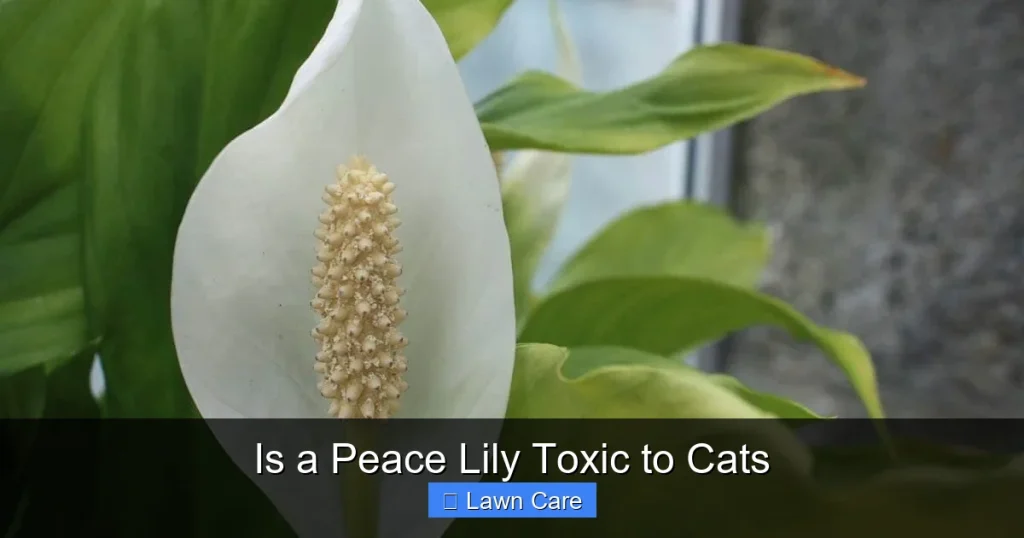
Peace lilies (Spathiphyllum spp.) are popular houseplants known for their elegant white blooms and air-purifying qualities. However, they are toxic to cats due to calcium oxalate crystals in their leaves and stems. If your cat chews on a peace lily, it can cause oral irritation, drooling, vomiting, and difficulty swallowing. While not usually life-threatening, it’s important to act quickly and contact your vet. Keep your peace lily out of reach or choose a cat-safe alternative like a spider plant or Boston fern. Your cat’s safety matters as much as your plant’s beauty.
If you’re a plant lover with a cat at home, you’ve probably wondered: Is a peace lily toxic to cats? The short answer is yes—peace lilies are indeed toxic to cats. But don’t panic. Understanding why they’re harmful and how to prevent exposure can help you keep both your furry friend and your greenery safe.
Peace lilies (scientifically known as Spathiphyllum spp.) are beloved for their glossy green leaves and striking white spathes that resemble blooming flowers. Native to tropical regions of the Americas and Southeast Asia, they’ve become a staple in homes and offices for their ability to thrive in low light and improve indoor air quality. But beneath their beauty lies a hidden danger—especially for curious cats who love to chew on houseplants.
The concern isn’t just about aesthetics. When cats ingest peace lily leaves or stems, they’re exposed to calcium oxalate crystals. These microscopic crystals act like tiny needles in your cat’s mouth and throat, triggering a painful inflammatory response. While the plant isn’t usually fatal, it can cause serious discomfort and require medical attention. So, if you’re growing peace lilies indoors, it’s essential to know the risks and take preventive steps.
Key Takeaways
- Peace lilies contain calcium oxalate crystals: These needle-like crystals are toxic when ingested and can cause irritation in your cat’s mouth, throat, and digestive tract.
- Common symptoms include drooling, vomiting, and pawing at the mouth: These signs usually appear within 15–60 minutes of ingestion and indicate your cat has eaten part of the plant.
- Immediate veterinary care is recommended: Even if symptoms seem mild, it’s best to contact your vet or an emergency animal clinic right away.
- Keep peace lilies out of reach: Place them on high shelves or use hanging planters to prevent curious cats from nibbling.
- Choose cat-safe plants as alternatives: Replace toxic plants with non-toxic options like spider plants, areca palms, or African violets.
- Train your cat to avoid plants: Use deterrent sprays or redirect chewing behavior with toys to protect both your cat and your greenery.
- Know the ASPCA’s toxic plant list: Regularly check updates from the ASPCA to stay informed about which plants are safe or dangerous for pets.
Quick Answers to Common Questions
Is a peace lily toxic to cats?
Yes, peace lilies are toxic to cats due to calcium oxalate crystals in their leaves and stems, which can cause oral irritation, drooling, and vomiting.
What should I do if my cat eats a peace lily?
Contact your veterinarian immediately. Rinse your cat’s mouth gently and monitor for symptoms like drooling or difficulty swallowing.
Are all parts of the peace lily toxic?
Yes, both the leaves and flowers contain the toxic compounds, so all parts of the plant pose a risk if ingested.
How long after eating a peace lily do symptoms appear?
Symptoms usually appear within 15 to 60 minutes of ingestion, including drooling, pawing at the mouth, and vomiting.
Can I keep a peace lily if I have a cat?
It’s possible, but only if the plant is kept well out of reach. Otherwise, consider replacing it with a non-toxic alternative like a spider plant.
📑 Table of Contents
Why Are Peace Lilies Toxic to Cats?
At the heart of the peace lily’s toxicity are calcium oxalate crystals. These crystals are found in the sap and tissues of the plant and are present in both the leaves and flowers. When a cat chews or swallows any part of the peace lily, these crystals pierce the soft tissues in the mouth, tongue, and throat. This causes immediate pain and swelling, which explains why cats often drool or paw at their mouths after eating the plant.
The reaction is similar to what happens when someone gets pricked by a thorn—except it’s happening inside your cat’s body. The body recognizes the crystals as foreign objects and responds with inflammation. This leads to symptoms like drooling, difficulty swallowing, vomiting, and even loss of appetite. In some cases, the swelling can make it hard for the cat to breathe, though this is rare.
It’s worth noting that all parts of the peace lily are toxic—not just the flowers. Even small amounts of leaf tissue can cause irritation. And since cats are naturally curious and love to chew on things, the risk is higher than with some other non-toxic plants.
Signs Your Cat May Have Eaten a Peace Lily
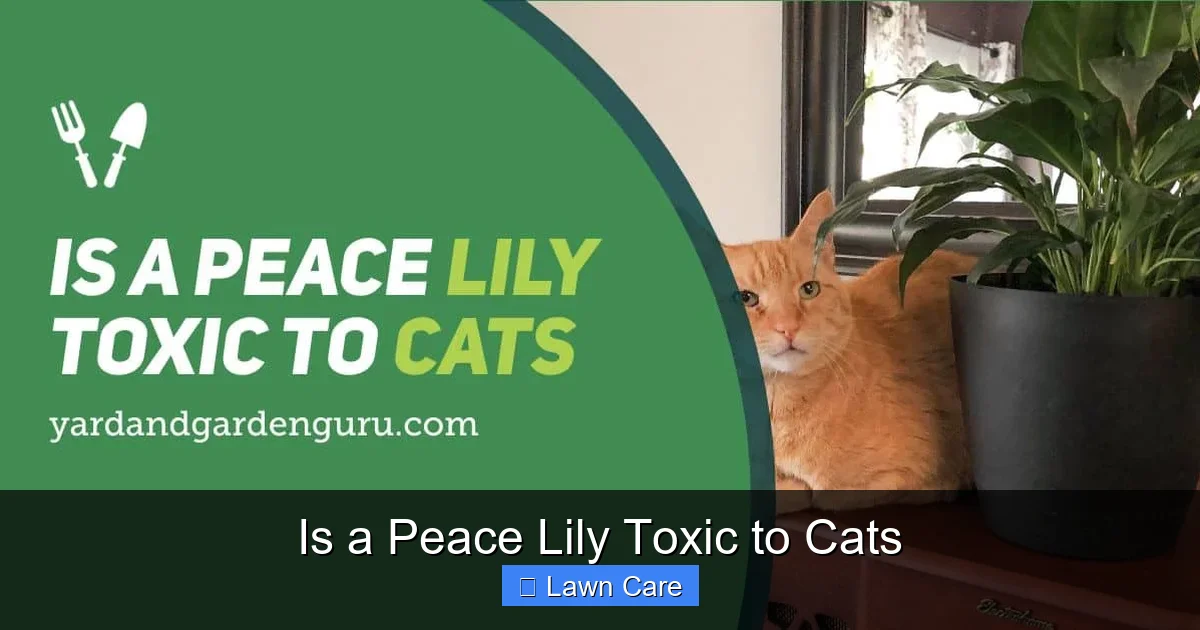
Visual guide about Is a Peace Lily Toxic to Cats
Image source: yardandgardenguru.com
Recognizing the symptoms early can make a big difference. Cats often show clear signs within 15 to 60 minutes of ingesting peace lily material. Here are the most common symptoms to watch for:
- Drooling: Excessive saliva production is one of the first signs. Your cat may have wet fur around the mouth.
- Pawing at the mouth: Cats will often rub their chins or lick their lips repeatedly, trying to soothe the irritation.
- Vomiting: Some cats vomit soon after eating the plant, while others may do so hours later.
- Lack of appetite: Due to pain in the mouth and throat, your cat may refuse food or water.
- Difficulty swallowing: You might notice your cat hesitating to eat or making small, careful movements with their mouth.
- Restlessness or hiding: Discomfort can make your cat irritable or more withdrawn than usual.
If you notice any of these signs, don’t wait. Contact your veterinarian immediately. While most cases of peace lily poisoning are not life-threatening, they can still cause significant distress and may require treatment like inducing vomiting or administering activated charcoal.
What to Do If Your Cat Eats a Peace Lily
Visual guide about Is a Peace Lily Toxic to Cats
Image source: smartgardenhome.com
If you suspect your cat has chewed on a peace lily, time is of the essence. Here’s what to do:
Step 1: Stay calm. Panicking won’t help, but acting quickly will.
Step 2: Remove your cat from the area. Prevent further chewing by moving the plant or your cat to separate rooms.
Step 3: Rinse your cat’s mouth. Gently wipe the mouth with a clean, damp cloth to remove any plant residue. Do not force water into the mouth.
Step 4: Contact your vet. Call your veterinarian or an emergency animal clinic. Describe what happened and how much of the plant your cat may have eaten.
Step 5: Follow professional advice. Your vet may instruct you to bring your cat in for an exam or provide guidance over the phone.
Never try to induce vomiting at home without veterinary guidance—it can sometimes do more harm than good.
Are All Lily Species Toxic to Cats?
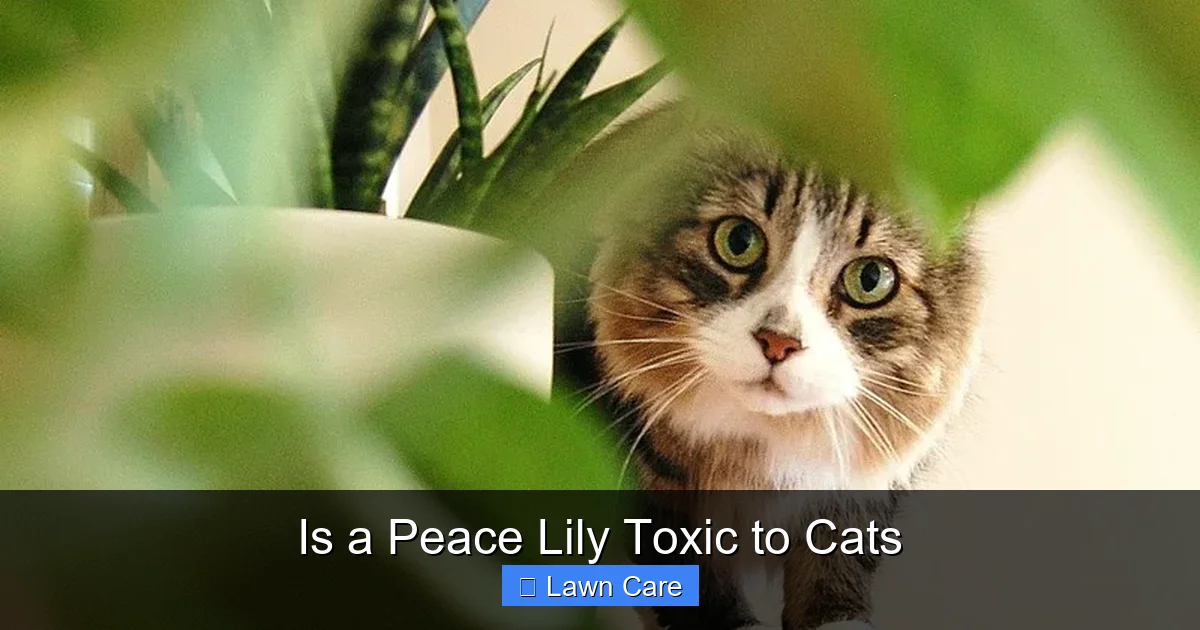
Visual guide about Is a Peace Lily Toxic to Cats
Image source: yardandgardenguru.com
This is a common point of confusion. While peace lilies are toxic, they are not the same as true lilies (like Easter lilies or tiger lilies), which are extremely dangerous and can cause kidney failure in cats even in small amounts. Peace lilies belong to the Araceae family and are sometimes called “lily of the peace,” but they are not true lilies.
However, it’s still important to treat peace lilies with caution. While they’re less toxic than true lilies, they can still cause significant discomfort and require medical attention. Always assume any unknown plant part your cat chews on could be harmful until proven otherwise.
Safe Alternatives to Peace Lilies for Cat Owners
If you love the look of peace lilies but want to keep your cat safe, consider switching to pet-friendly houseplants. Here are some excellent alternatives:
- Spider Plant (Chlorophytum comosum): Known for its arching green and white striped leaves, this plant is non-toxic and easy to care for.
- Boston Fern (Nephrolepis exaltata): Lush and feathery, it thrives in indirect light and adds a tropical feel to your home.
- Areca Palm (Dypsis lutescens): A popular choice for air purification and adds height and texture to indoor spaces.
- Parlor Palm (Chamaedorea elegans): Compact and low-maintenance, it’s perfect for small spaces and is safe for pets.
- African Violet (Saintpaulia): Produces beautiful purple, pink, or white flowers and grows well in bright, indirect light.
You can also use cat-safe plants in hanging baskets or on high shelves to keep them out of reach while still enjoying greenery. Just remember to supervise your cat around any plant until you’re confident it’s safe.
Preventing Plant Ingestion in Cats
The best way to protect your cat is prevention. Here are some practical tips:
- Place plants out of reach: Use high shelves, hanging baskets, or plant stands that your cat can’t jump to.
- Use deterrent sprays: There are cat repellent sprays available that taste unpleasant to felines but are safe for plants.
- Provide safe chewing alternatives: Offer cat grass or dental chews to redirect your cat’s natural urge to chew.
- Supervise during playtime: Keep an eye on your cat when they’re exploring new areas, especially if you’ve recently added plants.
- Educate all household members: Make sure everyone knows which plants are toxic and how to keep them safe.
Remember, curiosity is a natural part of feline behavior. Even the most careful pet owners can have a moment of distraction. That’s why it’s smart to plan ahead and create a cat-safe environment from the start.
Final Thoughts: Beauty and Safety Can Coexist
Peace lilies are stunning plants, but they’re not worth risking your cat’s health. With a little planning and awareness, you can enjoy beautiful greenery without compromising your pet’s safety. Whether you choose to replace your peace lily with a cat-safe alternative or keep it out of reach, the key is to be informed and proactive.
Your home can be both stylish and safe. By understanding which plants are toxic and how to prevent exposure, you’re giving your cat the best possible environment. After all, a happy cat and a healthy plant make for a happy home.
Frequently Asked Questions
Is a peace lily toxic to cats?
Yes, peace lilies contain calcium oxalate crystals that are toxic to cats. Ingesting any part of the plant can cause oral irritation, drooling, and vomiting. While not usually fatal, it requires prompt veterinary attention.
What are the symptoms of peace lily poisoning in cats?
Common symptoms include excessive drooling, pawing at the mouth, vomiting, loss of appetite, and difficulty swallowing. These typically appear within 15 to 60 minutes of ingestion.
How can I prevent my cat from eating peace lilies?
Place the plant on a high shelf, use a hanging planter, or apply a cat deterrent spray. Providing safe chewing alternatives like cat grass can also help redirect your cat’s behavior.
Are there safe alternatives to peace lilies for cat owners?
Yes, consider spider plants, Boston ferns, areca palms, parlor palms, or African violets. These are non-toxic and offer beautiful foliage and, in some cases, flowers.
Should I induce vomiting if my cat eats a peace lily?
No. Always contact your veterinarian first. Inducing vomiting without professional guidance can sometimes cause more harm than good.
Can a small amount of peace lily be safe for cats?
Even small amounts can cause irritation due to the calcium oxalate crystals. It’s best to assume any ingestion is harmful and seek veterinary advice.