
Do new lawn mower blades need sharpening? The short answer is not usually, but it depends on the blade type and how you use your mower. Most factory-finished blades are ready to go right out of the box, but improper installation or early wear can affect performance. Understanding your blade’s condition helps avoid damaging your grass and wasting time on unnecessary sharpening.
Key Takeaways
- New blades are typically pre-sharpened: Most mower blades come factory-sharpened and ready to use, so you don’t need to sharpen them immediately.
- Improper installation can dull blades: If blades are installed upside down, backwards, or not tightened properly, they may not cut efficiently right away.
- Blade type matters: Reel mowers require manual sharpening, while rotary mowers usually don’t need it right after installation.
- Early signs of dullness: Brown tips, ragged edges, or a need to mow more frequently can indicate blades need attention—even if they’re new.
- Proper maintenance prevents dullness: Regular cleaning, storage, and correct mowing practices keep new blades performing well longer.
- Know when to sharpen: Sharpen blades every 20–50 hours of use or when grass starts looking unhealthy after mowing.
- Use the right sharpening method: Follow safety guidelines and use appropriate tools like files or grinders to maintain blade edges properly.
Quick Answers to Common Questions
Do I need to sharpen new lawn mower blades before first use?
No, most new blades are factory-sharpened and ready to use. However, inspect them for damage or improper installation before mowing.
Can installing blades backwards cause dullness?
Yes, installing blades backwards or upside down can reduce cutting efficiency and make them appear dull, even if they’re new.
How often should I sharpen my mower blades?
Sharpen blades every 20–50 hours of use, or when you notice ragged cuts, brown grass tips, or increased mowing effort.
Can new blades wear out quickly?
New blades can dull if used on tough conditions, stored improperly, or installed incorrectly. Proper maintenance prevents early wear.
What’s the best way to check if new blades are sharp?
Perform a test mow on a small area. If grass has clean, white edges, the blades are sharp. Torn or brown tips indicate dullness.
📑 Table of Contents
- Do New Lawn Mower Blades Need Sharpening?
- Understanding How Mower Blades Are Manufactured
- When New Blades Might Need Sharpening
- How to Tell If Your New Blades Are Dull
- Best Practices for Maintaining New Blades
- How Often Should You Sharpen Lawn Mower Blades?
- DIY vs. Professional Sharpening
- Common Myths About New Blades
- Conclusion: Are Your New Blades Ready to Mow?
Do New Lawn Mower Blades Need Sharpening?
You just bought a brand-new lawn mower, and the first thing you’re wondering is: Do new lawn mower blades need sharpening? This is a common question among homeowners and lawn care enthusiasts. After all, if you’re investing in a new machine, you want to make sure every part is working at its best—especially the blades. The good news? In most cases, new mower blades do not need sharpening before their first use. They come factory-sharpened and balanced to ensure smooth, clean cuts.
However, there are exceptions. Sometimes, new blades might appear dull or underperform right after installation. This can happen due to improper handling, incorrect installation, or manufacturing variations. That’s why it’s important to inspect your blades before the first mow. Knowing the signs of dull blades—like ragged grass edges or brown tips—can help you decide whether sharpening is needed. In this article, we’ll walk you through everything you need to know about new mower blade performance, when to sharpen, and how to maintain them for a healthier lawn.
Understanding How Mower Blades Are Manufactured
Before we dive into whether new blades need sharpening, let’s look at how they’re made. Most modern lawn mower blades are crafted from high-carbon steel or stainless steel using precision cutting and grinding techniques. These processes ensure the edges are razor-sharp and balanced for optimal performance.
Factory Finishing Process
During manufacturing, blades go through multiple stages of cutting and heat treatment. The final step often includes grinding or honing the cutting edge to achieve a fine, sharp finish. This means that unless there’s a defect, your new blade should be ready to deliver a clean cut on your first mow.
Quality Control Checks
Reputable brands perform balance and sharpness tests before packaging. This ensures that blades don’t wobble during operation and cut efficiently. So, if your new mower came from a trusted brand like Toro, Honda, or Craftsman, you can generally expect the blades to work well immediately.
Exceptions in Blade Types
Not all blades are the same. Reel mower blades, which are used in push reel mowers, often require hand-sharpening before use. These blades are precision-ground but may need fine-tuning depending on the manufacturer. Always check the manual for specific instructions.
When New Blades Might Need Sharpening
While most new blades are ready to go, there are situations where sharpening might be necessary—even if the blade is brand new. Let’s explore these scenarios.
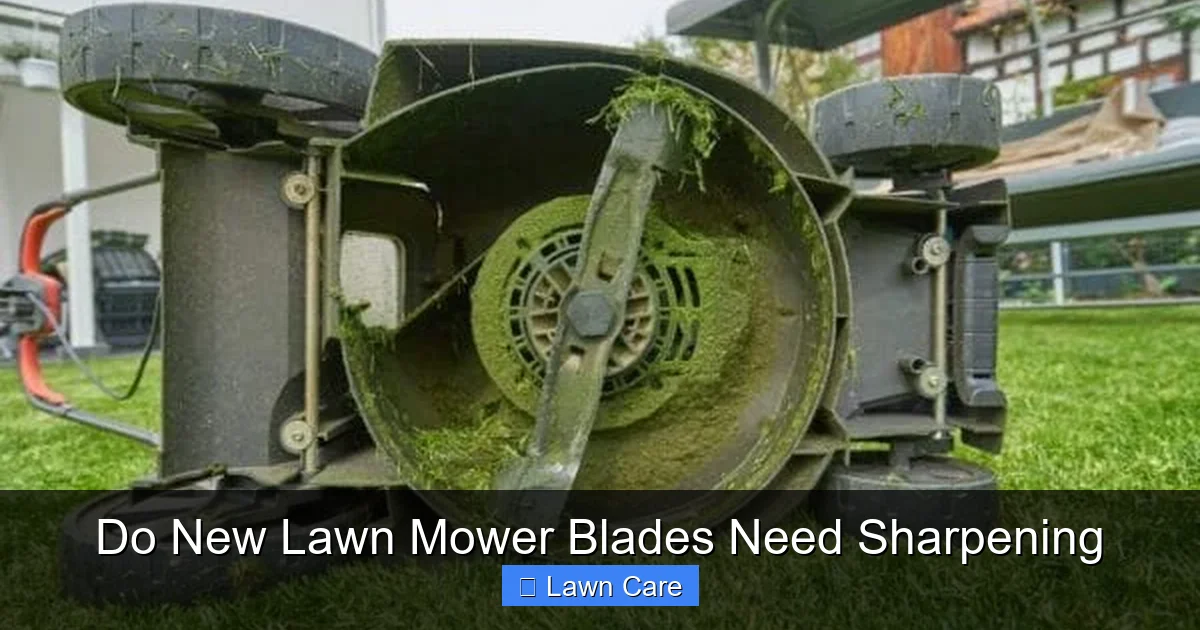
Visual guide about Do New Lawn Mower Blades Need Sharpening
Image source: thenatureofhome.com
Improper Installation
One of the most common reasons new blades appear dull is incorrect installation. If the blade is mounted upside down or backwards, it won’t cut properly. Some blades have a specific direction of rotation—usually marked with an arrow or a curved edge. Installing it incorrectly can lead to poor performance and even damage your grass.
For example, if your blade is designed to cut grass in a counterclockwise direction but you install it backwards, the blade will tear rather than slice the grass. This gives your lawn a ragged, unhealthy look—even though the blade is new.
Manufacturing Flaws
Rarely, a blade may have a minor defect from the factory. This could include a slightly dull edge or imbalance. In such cases, the blade might not cut efficiently on the first use. If you notice uneven cutting or excessive vibration, it’s worth inspecting the blade or contacting the manufacturer.
Early Wear from Storage or Handling
If your mower was stored for a long time or handled roughly during transport, the blade edge might have nicked or dulled slightly. While this is uncommon, it’s possible. A quick visual inspection can help you spot nicks or rounded edges that indicate the need for sharpening.
How to Tell If Your New Blades Are Dull
Even if your blades are new, it’s smart to check them before mowing. Here’s how to assess whether sharpening is needed.
Visual Inspection
Hold the blade up to a light source. A sharp blade will have a clean, well-defined edge. If the edge looks rounded, chipped, or uneven, it may need attention. Look for any visible damage or dull spots.
Test Cut
Perform a test mow on a small, inconspicuous area. If the grass leaves brown tips or looks torn instead of cleanly cut, the blade may be dull. Healthy grass should have a crisp, white cut line when blades are sharp.
Listen for Noises
A dull blade often causes the mower to strain, leading to louder engine sounds or vibration. If your mower feels sluggish or makes unusual noises, the blades might not be cutting efficiently.
Best Practices for Maintaining New Blades
Even if your new blades don’t need sharpening right away, proper maintenance will keep them performing well. Here are some tips to extend their life and ensure a great cut every time.
Clean After Each Use
Lawn clippings and debris can build up on the blade, affecting performance. After mowing, remove the spark plug wire (for safety), tilt the mower, and use a brush to clean off grass and dirt. This prevents rust and keeps the blade sharp.
Store Properly
When not in use, store your mower in a dry place. Moisture can cause rust, which dulls the blade over time. Consider applying a light coat of oil to the blade edge if storage will be longer than a few weeks.
Check Blade Direction
Always verify that the blade is installed in the correct direction. Refer to your owner’s manual or look for markings on the blade. Installing it backwards can reduce cutting efficiency and damage your grass.
Avoid Mowing Wet Grass
Mowing wet grass can cause clumping and blade dulling. It also increases the risk of spreading disease. Wait for grass to dry before mowing to protect both your blades and your lawn.
Follow Recommended Mowing Frequency
Mowing too frequently or too infrequently can stress your blades. For optimal performance, mow when the grass is dry and not overgrown. This reduces strain on the motor and keeps blades in better condition. For more tips, check out How Often Do You Need To Mow Your Lawn.
How Often Should You Sharpen Lawn Mower Blades?
Even with proper care, blades will eventually dull. But how often should you sharpen them—especially if they’re new?
General Guideline
Most experts recommend sharpening lawn mower blades every 20 to 50 hours of use, depending on grass type and conditions. Thick, tall grass or frequent mowing may require more frequent sharpening.
Signs It’s Time
If you notice any of the following, it’s time to sharpen:
- Brown or torn grass tips after mowing
- Increased mowing time or effort
- Excessive vibration during operation
- Unusual engine noise
When to Skip Sharpening
If your blades are new and haven’t been used much, there’s no need to sharpen them prematurely. Over-sharpening can reduce blade life and weaken the metal over time.
DIY vs. Professional Sharpening
Once blades start needing sharpening, you have two options: do it yourself or take them to a professional. Let’s compare both.
DIY Sharpening
Sharpening your own blades saves money and gives you control over the process. You can use a file, grinder, or specialized sharpening tool. Just be sure to maintain the original angle and balance. For step-by-step guidance, see How To Sharpen Lawn Mower Blades With A File.
Professional Sharpening
If you’re not comfortable sharpening blades yourself, many local service shops offer blade sharpening. This is ideal for riding mowers or commercial equipment. Professionals use precision tools to maintain blade balance and edge quality.
Common Myths About New Blades
There are several misconceptions about new lawn mower blades. Let’s clear them up.
Myth: All New Blades Must Be Sharpened
False. Most factory blades are sharpened before shipping. Sharpening them again wastes time and can weaken the edge.
Myth: Dull Blades Always Mean Poor Quality
Not necessarily. A blade might look dull but still function well if it’s installed correctly and maintained. Always check installation first.
Myth: Sharpening New Blades Improves Performance
Unlikely. If the blade is already sharp, additional sharpening offers no benefit and may reduce lifespan.
Conclusion: Are Your New Blades Ready to Mow?
To answer the question directly: Do new lawn mower blades need sharpening? In most cases, no. They come factory-sharpened and balanced, so they’re ready for immediate use. However, improper installation, handling, or rare manufacturing issues can affect performance. Always inspect your blades before the first mow and ensure they’re installed correctly.
Maintaining your blades with regular cleaning, proper storage, and correct mowing practices will keep them in top shape. And when it’s time to sharpen, use the right tools and techniques to preserve blade life. Remember, sharp blades don’t just cut better—they promote healthier grass and reduce strain on your mower.
For more lawn care tips and troubleshooting, explore our guides on Why Sharp Lawn Mower Blades Are So Important and How To Change Riding Lawn Mower Blades Without Removing Deck. A well-maintained mower means a better-looking lawn—every time.
Frequently Asked Questions
Can I use new lawn mower blades without sharpening them?
Yes, most new blades are pre-sharpened and ready to use. Just ensure they’re installed correctly and not damaged during transport.
Why do some new blades look dull?
Blades may look dull due to improper installation, storage conditions, or minor manufacturing defects. Always inspect before use.
Should I sharpen reel mower blades before first use?
Yes, reel mower blades often require hand-sharpening before use, as they are precision-ground but may need fine-tuning for optimal performance.
How do I know if my blade is installed correctly?
Check the blade’s direction of rotation—usually marked with an arrow or curved edge. The cutting edge should face the correct direction based on mower design.
Can over-sharpening damage new blades?
Yes, sharpening new blades unnecessarily can weaken the metal and reduce lifespan. Only sharpen when signs of dullness appear.
What happens if I mow with dull blades?
Mowing with dull blades tears grass, leading to brown tips, unhealthy turf, and increased wear on your mower’s engine.