
Bromeliads are generally considered non-toxic to cats and dogs, making them a safe choice for pet-friendly homes. While they won’t cause serious harm if ingested, mild symptoms like drooling or stomach upset may occur. Always monitor your pets around houseplants and consult a vet if you suspect exposure.
Have you ever brought home a beautiful bromeliad for your living room, only to wonder, “Are bromeliads toxic to cats and dogs?” You’re not alone. With their vibrant colors, tropical charm, and low maintenance, bromeliads are a favorite among houseplant lovers. But when you share your home with furry friends, safety comes first. Let’s dive into what you need to know about bromeliads and your pets.
Bromeliads come in many shapes and sizes—from the classic red-edged Guzmania to the spiky Neoregelia. They’re native to tropical regions and thrive in bright, indirect light. But beyond their visual appeal, pet owners want to know: Are bromeliads toxic to cats and dogs? The short answer? Not really. According to the American Society for the Prevention of Cruelty to Animals (ASPCA), bromeliads are not on their list of toxic plants for pets. That’s great news, but it doesn’t mean your cat or dog can chomp on them without any consequences. Let’s explore why.
Key Takeaways
- Bromeliads are not classified as toxic by major pet poison databases like ASPCA or Pet Poison Helpline.
- Ingestion may cause mild symptoms such as drooling, vomiting, or stomach discomfort in pets.
- Most bromeliad species are safe, but individual reactions can vary based on the plant type and pet sensitivity.
- Prevention is key—keep plants out of reach or use deterrents to avoid accidental chewing.
- Monitor pets closely after introducing new plants to your home.
- Seek veterinary advice if your pet shows unusual behavior or signs of illness after contact.
- Proper plant care reduces stress and may decrease pets’ interest in chewing plants.
Quick Answers to Common Questions
Are bromeliads toxic to cats?
No, bromeliads are not toxic to cats. They are considered safe by the ASPCA, though ingestion may cause mild stomach upset or drooling.
Can dogs eat bromeliad leaves?
Yes, dogs can eat bromeliad leaves without serious harm. However, like cats, they might experience mild digestive discomfort.
What should I do if my cat chews on a bromeliad?
Monitor your cat for symptoms like drooling or vomiting. Most cases are mild, but contact your vet if symptoms worsen or persist.
Are all bromeliad species safe for pets?
Yes, most common bromeliad species are non-toxic. However, individual pets may react differently based on sensitivity.
How can I prevent my pet from chewing on plants?
Use deterrent sprays, place plants out of reach, and provide safe chew toys to redirect your pet’s behavior.
📑 Table of Contents
Understanding Bromeliad Toxicity
When we talk about plant toxicity, we’re usually referring to chemicals or compounds that can harm animals if ingested. In the case of bromeliads, there are no known toxic alkaloids or poisons that pose a serious threat to pets. However, just because a plant isn’t poisonous doesn’t mean it’s harmless.
What Makes a Plant Toxic?
Most toxic plants contain specific chemicals like oxalates, saponins, or cardiac glycosides. These can cause symptoms ranging from mild irritation to life-threatening reactions. Bromeliads, on the other hand, don’t produce these harmful compounds. Still, they can cause discomfort if eaten. Think of it like eating too much fiber—it might upset your stomach, but it won’t kill you.
Why Do Pets Chew Plants?
Cats and dogs sometimes chew on houseplants for several reasons. It could be boredom, curiosity, or even a nutritional deficiency. Some pets are drawn to the texture of leaves or the scent of soil. Others may be mimicking their owners or exploring their environment. Understanding why your pet is chewing helps you prevent future incidents.
Are Bromeliads Toxic to Cats?
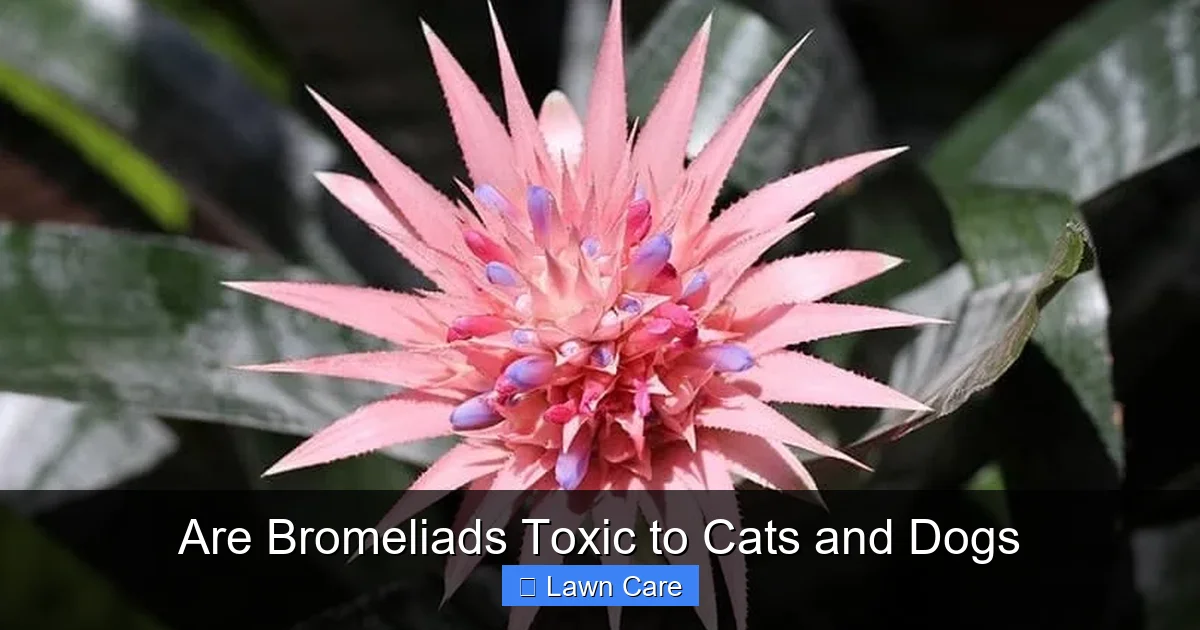
Visual guide about Are Bromeliads Toxic to Cats and Dogs
Image source: pangopets.com
Let’s focus on our feline friends first. According to the ASPCA, bromeliads are not toxic to cats. This means that if your curious tabby nibbles a leaf or even swallows a small piece, it’s unlikely to cause serious harm. However, cats are sensitive creatures, and what’s safe for humans or other animals might still upset their stomachs.
Possible Symptoms in Cats
If a cat chews on a bromeliad, you might notice:
– Mild drooling
– Temporary upset stomach
– Slight irritation in the mouth or throat
– Increased salivation
These symptoms usually pass on their own within a few hours. But if your cat shows signs like vomiting, lethargy, or difficulty breathing, contact your vet immediately.
How Much Is Too Much?
Even non-toxic plants can cause issues if a pet eats a large quantity. A single bromeliad might not be a problem, but if your cat chews on multiple leaves or the entire plant, it could lead to digestive discomfort. Always keep an eye on how much your pet consumes.
Are Bromeliads Toxic to Dogs?
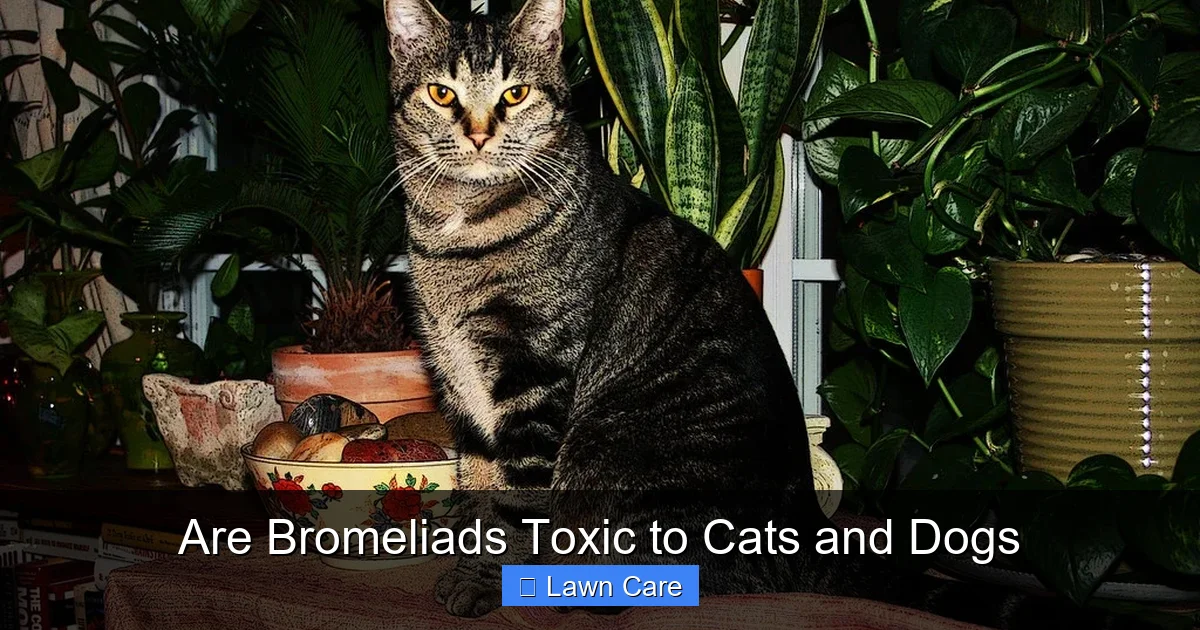
Visual guide about Are Bromeliads Toxic to Cats and Dogs
Image source: theyardandgarden.com
Now, let’s talk about our four-legged companions. Like cats, dogs are not at risk of poisoning from bromeliads. The ASPCA confirms that bromeliads are safe for dogs. But again, safety doesn’t mean harmless.
Common Reactions in Dogs
Dogs may experience:
– Temporary stomach upset
– Mild drooling
– Loss of appetite
– Licking or chewing at the mouth
These reactions are typically mild and short-lived. However, some dogs are more sensitive than others. If your pup has a history of gastrointestinal issues, it’s best to keep plants out of reach.
Size Matters
A small terrier eating a few leaves might have a different reaction than a large breed consuming the entire plant. The amount ingested plays a big role in how your dog feels afterward.
Types of Bromeliads and Their Safety
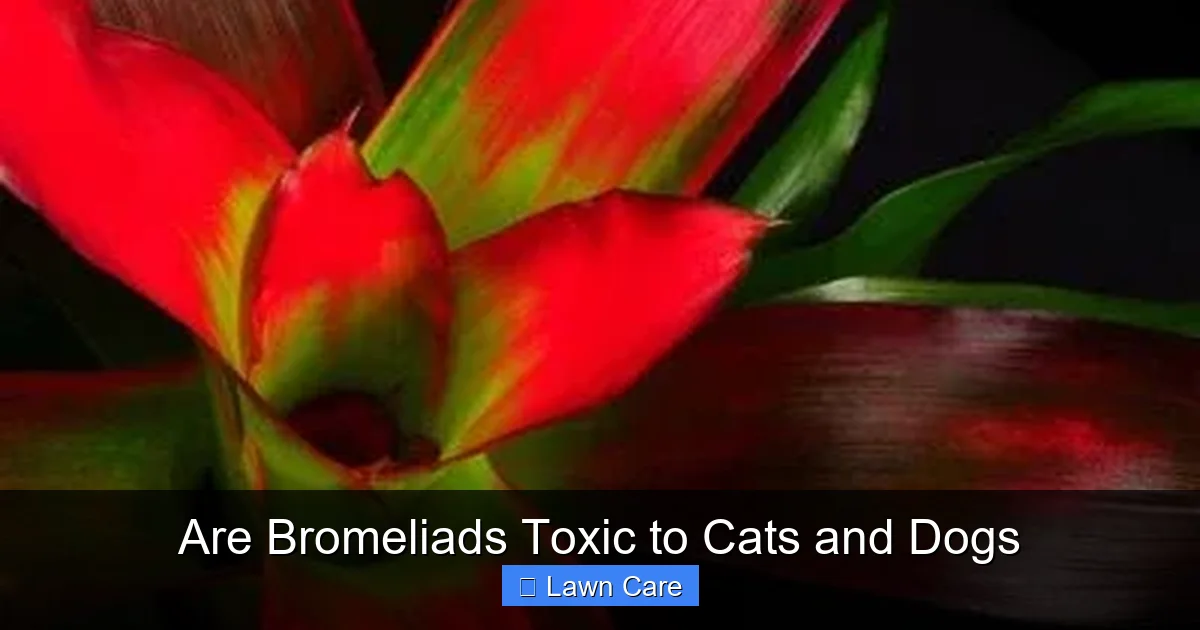
Visual guide about Are Bromeliads Toxic to Cats and Dogs
Image source: theyardandgarden.com
There are over 3,000 species of bromeliads, but most common houseplants belong to a few well-known types. Let’s look at some popular varieties and their pet safety profiles.
Guzmania
Guzmania bromeliads are known for their bright red, orange, or yellow bracts. They’re popular in holiday decorations and are generally safe for pets. However, the bracts can be slightly sticky, which might irritate a pet’s mouth.
Neoregelia
Neoregelia, often called the “fruit salad plant,” features colorful rosettes. These are also non-toxic and safe for cats and dogs. Their compact size makes them ideal for tabletops, but keep them away from curious chewers.
Aechmea
Aechmea bromeliads have upright, spiky leaves and are easy to care for. They’re not toxic and can add a tropical vibe to your home. Just be cautious—the sharp edges might irritate a pet’s mouth if they’re gnawing on the plant.
Billbergia
Billbergia species are known for their tubular flowers and are safe for pets. They’re great for hanging baskets or shelves where pets can’t reach them.
How to Keep Your Pets Safe
Even though bromeliads aren’t toxic, it’s smart to take precautions. Here are some practical tips to protect your pets.
Place Plants Out of Reach
Use high shelves, hanging baskets, or rooms your pet can’t access. Cats, in particular, are excellent climbers, so think vertically.
Use Pet Deterrents
There are sprays available that make plants taste unpleasant to pets. These are safe for the plant and effective for training.
Provide Alternatives
Give your pet chew toys or cat grass to satisfy their urge to nibble. This redirects their behavior away from houseplants.
Monitor New Introductions
When you bring home a new plant, keep an eye on your pet for a few days. This helps you catch any unwanted behavior early.
Educate Everyone in the Household
Make sure kids and guests know not to let pets play with or eat plants. Awareness goes a long way.
What to Do If Your Pet Eats a Bromeliad
Even though bromeliads are safe, it’s always better to be prepared. If your pet chews on a bromeliad, here’s what to do:
1. **Stay calm.** Most reactions are mild.
2. **Observe.** Watch for signs of discomfort like drooling or vomiting.
3. **Remove the plant.** Prevent further chewing.
4. **Offer water.** Help your pet stay hydrated.
5. **Contact your vet.** If symptoms persist or worsen, get professional advice.
Remember, prevention is always better than cure. A little effort now can save you a stressful trip to the vet later.
Other Plants to Avoid with Pets
While bromeliads are safe, many common houseplants are not. For example, crabgrass may not be toxic, but other plants like lilies, sago palms, and philodendrons can be harmful. Always check the ASPCA database before bringing new plants into your home.
Frequently Asked Questions
Are bromeliads poisonous to pets?
No, bromeliads are not poisonous to cats or dogs. They are listed as non-toxic by the ASPCA, but ingestion may cause mild stomach upset.
Do bromeliads cause vomiting in dogs?
Some dogs may vomit after eating bromeliads due to mild irritation, but it’s not common and usually resolves on its own.
Can cats get sick from bromeliads?
Cats can experience mild symptoms like drooling or stomach discomfort, but serious illness is unlikely.
Is it safe to have bromeliads in a pet-friendly home?
Yes, bromeliads are generally safe for pet-friendly homes. Just monitor your pets and take steps to prevent overeating.
What plants are toxic to cats and dogs?
Plants like lilies, sago palms, and philodendrons are toxic. Always check the ASPCA database before adding new plants.
How do I know if my pet is allergic to a plant?
Watch for symptoms like excessive scratching, drooling, or digestive issues. If in doubt, consult your veterinarian.