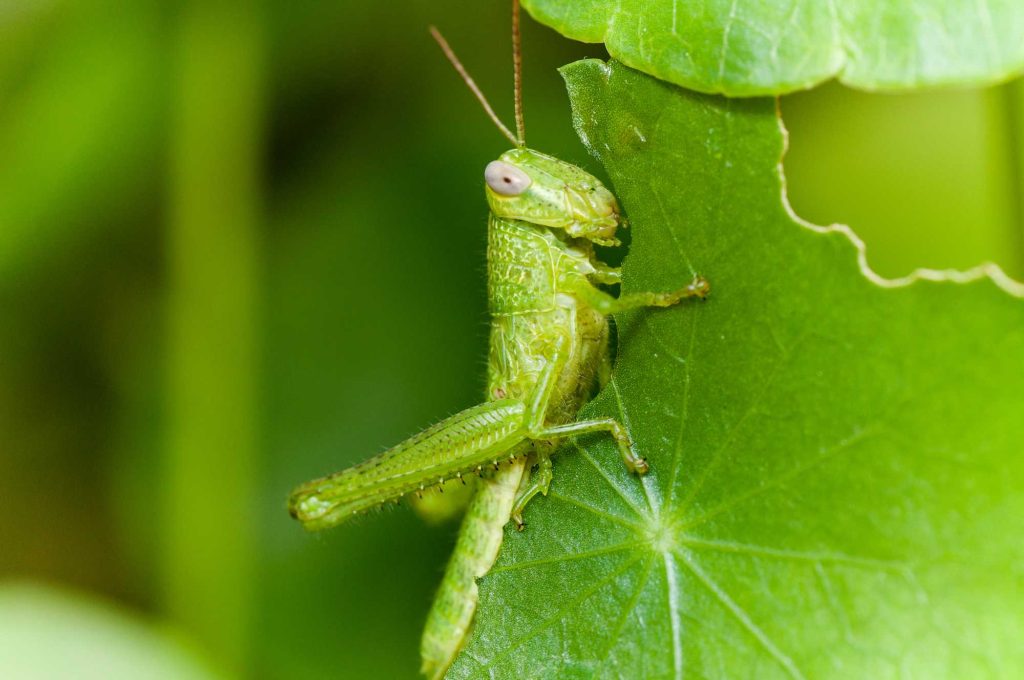
No, a grasshopper is not a producer. Grasshoppers are herbivores, meaning they consume plants for energy, which makes them primary consumers in the food chain. Producers, on the other hand, are organisms like plants and algae that can create their own energy through photosynthesis. Grasshoppers play an essential role in the ecosystem as they help transfer energy from plants to higher-level consumers, such as birds and small mammals. Understanding the role of grasshoppers is crucial in grasping the broader food web and how energy flows through various organisms in an ecosystem. So, while they may not produce their own food, grasshoppers are vital players in maintaining ecological balance.

Is a Grasshopper a Producer?
When we think about the food chain, it’s essential to understand the roles different organisms play within ecosystems. One of the questions that can arise is, “Is a grasshopper a producer?” To answer that, we need to dive deeper into what producers, consumers, and decomposers are.
Understanding Producers
Producers are organisms that can create their own food through the process of photosynthesis. This process typically involves using sunlight to convert carbon dioxide and water into glucose and oxygen. The most common producers are plants, algae, and some bacteria.
– **Key Characteristics of Producers:**
– They produce energy through photosynthesis.
– They form the base of the food chain.
– They are essential for life on Earth.
Plants absorb sunlight through their leaves, and this energy is crucial not only for them but also for all other living beings that depend on them for food.
Grasshoppers: An Overview
Grasshoppers are fascinating insects that belong to the order Orthoptera. They are known for their long hind legs, which allow them to jump great distances. Unlike producers, grasshoppers do not create their own food. Instead, they are classified as **herbivores**, meaning they primarily consume plants.
– **Basic Facts about Grasshoppers:**
– They typically live in grassy areas, fields, and gardens.
– Grasshoppers undergo incomplete metamorphosis, moving from nymph to adult.
– They play a significant role in their ecosystem by serving as food for various predators.
Given their herbivorous diet, grasshoppers rely on producers to obtain energy.
Grasshoppers as Consumers
Since grasshoppers eat plants, they fit into the category known as **primary consumers**. They occupy the second level in the food chain. Primary consumers feed on producers and are vital for transferring energy from plants to higher-level consumers, such as carnivores.
– **Roles of Grasshoppers as Consumers:**
– They help control plant populations by consuming them.
– They serve as a food source for many animals, including birds and rodents.
By consuming plants, grasshoppers play a crucial role in the ecosystem, influencing plant health and distribution.
The Food Chain: Grasshoppers’ Position
In the food chain, grasshoppers are critical links. They connect the energy produced by plants to the next level of consumers.
The Food Chain Breakdown
1. **Producers:** Plants convert sunlight into energy.
2. **Primary Consumers:** Grasshoppers consume plants.
3. **Secondary Consumers:** Animals that eat grasshoppers, like birds.
4. **Tertiary Consumers:** Larger predators that feed on secondary consumers.
This structure is important for maintaining balance in ecosystems. Without primary consumers like grasshoppers, there would be an overabundance of plants, leading to competition for resources.
The Importance of Grasshoppers in Ecosystems
Grasshoppers are more than just middlemen in the food chain. They play critical roles in their environments.
- **Nutrient Cycling:** Their waste helps fertilize the soil.
- **Food Source:** They provide sustenance for many other animals.
- **Biodiversity:** Their presence contributes to a diverse ecosystem.
All these factors highlight how grasshoppers, while not producers themselves, contribute significantly to their habitats.
The Relationship Between Grasshoppers and Plants
Grasshoppers and plants share a vital relationship. As herbivores, grasshoppers feed on grasses and leaves, influencing plant growth and reproduction.
Impact on Plant Communities
Grasshoppers can both positively and negatively impact their surroundings:
– **Positive Effects:**
– They can help control aggressive plant species.
– By grazing, they promote the growth of diverse plant communities.
– **Negative Effects:**
– In large numbers, they can cause significant damage to crops.
– Overgrazing can lead to soil erosion and plant decline.
Understanding this balance helps in managing agricultural practices effectively.
Grasshopper Adaptations
Grasshoppers have developed various adaptations that enable them to thrive in their environments.
– **Physical Adaptations:**
– Strong hind legs for jumping.
– Camouflage to evade predators.
– **Behavioral Adaptations:**
– Migratory behavior in search of food.
– Social swarming during certain seasons.
These adaptations not only help them survive but also enhance their roles as primary consumers.
Grasshoppers in Human Context
Grasshoppers have had various interactions with humans throughout history, including as food sources.
Grasshoppers as Food
In many cultures, grasshoppers are considered a delicacy. They are high in protein and can be prepared in several ways, including frying and roasting.
– **Nutritional Benefits:**
– Rich in protein, vitamins, and minerals.
– Low in fat compared to traditional livestock.
Eating insects like grasshoppers can offer sustainable food alternatives for growing populations.
Grasshoppers in Agriculture
On the flip side, grasshoppers can be pests in agricultural settings. When populations grow uncontrolled, they can devastate crops.
– **Managing Grasshopper Populations:**
– Integrated Pest Management (IPM) techniques.
– Natural predators to keep grasshopper numbers in check.
Farmers must balance utilizing grasshoppers as a food source and managing their impact on agriculture.
To recap, grasshoppers are not producers. They are primary consumers that rely on plants for sustenance. Understanding their role in the food chain and ecosystem is crucial. Although they do not produce energy, grasshoppers are significant participants in ecological balance, contributing to nutrient cycling and supporting biodiversity. Recognizing the distinction between producers and consumers allows us to appreciate the complex web of life that sustains our planet.
The Singing Grasshopper: A Tale of Talent and Responsibility
Frequently Asked Questions
What role do grasshoppers play in the ecosystem?
Grasshoppers serve as important herbivores in the ecosystem. They primarily feed on grass and other plant materials, influencing plant growth and distribution. As they consume vegetation, they help control plant populations and provide essential nutrients back to the soil through their waste, promoting a healthy ecosystem.
How do grasshoppers contribute to the food chain?
Grasshoppers act as a crucial food source for various predators, including birds, reptiles, and small mammals. By being part of the food chain, they help sustain the populations of these predators, thus maintaining a balanced ecosystem. Their presence supports biodiversity and the overall health of their habitats.
How do grasshoppers impact agriculture?
Grasshoppers can significantly affect agriculture by feeding on crops and grasses, which may lead to reduced yields for farmers. However, they also contribute to soil health through their droppings, which enrich the soil with nutrients. Effective management of grasshopper populations can help mitigate their impact while leveraging their benefits.
What adaptations do grasshoppers have for their feeding habits?
Grasshoppers possess strong chewing mouthparts that enable them to effectively consume tough plant materials. Their bodies are adapted for jumping, which allows them to escape from predators quickly. Additionally, their coloration can provide camouflage in their natural habitats, helping them evade detection while they feed.
Can grasshoppers be considered pests?
Yes, grasshoppers can be considered pests, particularly when their populations explode. In agricultural settings, large swarms can devastate crops, leading to economic losses for farmers. However, they also play valuable roles in ecosystems, so managing their populations is essential to balance their benefits and drawbacks.
Final Thoughts
Grasshoppers are not producers; they are consumers in the food chain. They primarily feed on plants, making them herbivores that rely on producers like grass and leaves for sustenance. In ecosystems, grasshoppers play a role in controlling plant populations while providing food for various predators. Thus, the question “is a grasshopper a producer” is answered: it is not.