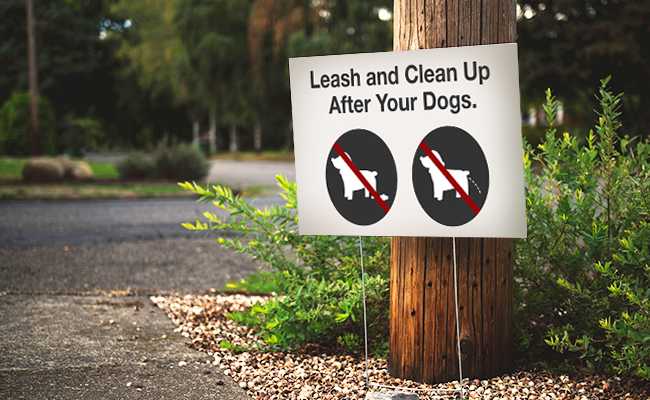
If you’re tired of your neighbor’s dogs using your lawn as their personal bathroom, there are several strategies you can employ to put a stop to it. Start by communicating with your neighbor about the issue—they may not even be aware their dogs are causing a problem. You can also use natural deterrents, like citrus peels or vinegar, to make your grass less appealing to dogs. Installing a fence or using landscaping features such as rocks can create physical barriers. Lastly, consider creating a designated area for their dogs to relieve themselves, which can help redirect their behavior. With a bit of effort and communication, you can reclaim your yard and keep it dog-free.
When it comes to maintaining a beautiful lawn, few things are more frustrating than having it desecrated by your neighbor’s pets. The unpleasant sight of dog urination can ruin the appearance of your grass and potentially lead to dead spots. It’s essential to address this issue not only for aesthetic reasons but also for the health of your lawn. By taking proactive steps, you can protect your yard and maintain a good relationship with your neighbors. Whether through direct communication, natural deterrents, or physical barriers, there are effective ways to keep their dogs away from your grass. Let’s explore these solutions in more detail to help you enjoy your yard once again.

How to Stop Neighbors Dogs from Peeing on My Grass
Having a lush, green lawn can be a source of pride for many homeowners. However, dealing with neighbors’ dogs that think your grass is their personal bathroom can be incredibly frustrating. In this section, we will explore various strategies to deter dogs from peeing on your grass, ensuring your lawn remains clean and beautiful.
Understanding Why Dogs Pee on Grass
First, let’s understand the behavior of dogs when it comes to urinating on grass. Dogs have an instinct to mark their territory. When they smell other animals, they are driven to leave their scent behind. This is completely normal and instinctive behavior in dogs.
Additionally, dogs may be attracted to your grass because of its scent or texture. If your grass is particularly lush or fragrant, it might invite them to relieve themselves. Recognizing these factors can help you form a plan to discourage this habit.
Communicate with Your Neighbors
The first step in addressing the issue is communication. Talking to your neighbors can often resolve the problem quickly. Here are some tips for initiating that conversation:
- Be friendly and approach the topic calmly.
- Explain your concerns without sounding accusatory.
- Suggest possible solutions together.
Sometimes, neighbors may not even be aware that their dogs are causing a problem. By bringing it to their attention, you may be able to work together to find a solution.
Creating Physical Barriers
If communication doesn’t yield results, consider creating physical barriers to prevent dogs from accessing your lawn. Here are some ideas:
- Install a fence around your yard to keep dogs out.
- Use decorative garden edging to create a barrier.
- Plant thick shrubs or bushes along the edges of your yard.
A well-constructed fence or barrier can effectively deter dogs from entering your property. Just make sure that it is high enough to prevent any jumpers from crossing over.
Using Natural Deterrents
If building a fence is not an option, you can try using natural deterrents. Many dogs do not like strong scents. Here are some options you might consider:
- Citrus peels: Dogs generally dislike citrus smells. Placing peels around your grass may deter them.
- Vinegar: The strong scent of vinegar can also keep dogs away. Spray a mixture of vinegar and water around the perimeter of your lawn.
- Essential oils: Oils like lavender or eucalyptus can act as natural repellents.
Keep in mind that you should reapply these deterrents regularly, especially after rain or watering your grass.
Creating an Alternative Area for Dogs
If you have some space in your yard, consider creating a designated area for dogs to relieve themselves. This can help keep them away from your main lawn. Here’s how to do it:
- Select a corner of your yard that is away from your grass.
- Use gravel or mulch to create a comfortable surface for them.
- Encourage neighbors to let their dogs use this designated area.
Providing an alternative space allows dogs to relieve themselves without damaging your beautiful grass.
Implementing Training Techniques
Training techniques can also be an effective way to stop your neighbors’ dogs from using your lawn as a bathroom. Here are some tips for you and your neighbors:
- Encourage your neighbor to train their dog to pee on command in a suitable area.
- Use positive reinforcement. Reward the dog when it relieves itself in the appropriate place.
- Be patient. Training takes time and consistency.
Working together on training can lead to a happier outcome for both parties.
Installing Motion-Activated Sprinklers
Motion-activated sprinklers can be a clever solution to keep dogs away from your yard. These devices are designed to spray water when they detect motion. Here’s how to set one up:
- Choose a sprinkler that covers the area where dogs typically enter your yard.
- Set up the sprinkler in your yard and adjust the sensitivity accordingly.
- Test to ensure it activates when dogs approach.
The sudden spray of water will likely surprise dogs and deter them from returning.
Using Commercial Dog Repellents
If natural deterrents and training do not work, consider using commercial dog repellents. These products are specifically formulated to keep dogs out of certain areas. When selecting a repellent, look for:
- Non-toxic ingredients to ensure the safety of pets and children.
- Long-lasting effectiveness, especially on rainy days.
- Reviews and recommendations from other users.
Always follow the instructions carefully to avoid damaging your grass or harming local wildlife.
Maintaining a Healthy Lawn
A well-maintained lawn is less appealing to dogs. Regular care can also help your grass recover from any damage caused by urine. Here are some maintenance tips:
- Water your lawn regularly, especially in areas where dogs frequently pee.
- Fertilize your grass to keep it healthy and resilient.
- Regularly mow and care for your lawn to make it less inviting for dogs.
By ensuring your lawn is well cared for, you can help minimize the effects of any unwanted dog urine.
Consider Your Lawn Type
Some grasses are more resilient to dog urine than others. When planning your lawn, consider choosing dog-friendly grass types such as:
- Perennial Ryegrass
- Bermudagrass
- Buffalograss
These grass types tend to withstand wear and tear better. They may also recover more quickly from occasional dog urine.
Creating a Friendly Atmosphere
In some cases, creating a friendly atmosphere can reduce the impulse for dogs to pee in your yard. This can be achieved by:
- Inviting neighbors and their dogs over for playdates in your yard.
- Hosting gatherings to create a sense of community.
When dogs feel comfortable and familiar with a place, they may be less likely to mark it as their territory.
Document Issues for Further Action
If all else fails, and you find that your neighbors are uncooperative, you may need to document the issue for future reference. Take note of the following:
- Keep a record of times when dogs relieve themselves on your lawn.
- Take pictures, if necessary, to illustrate the problem.
- Consider discussing the issue further with local authorities if it becomes a significant concern.
Being equipped with evidence can help when seeking assistance from animal control or your homeowners association.
Sometimes, it may take a combination of these strategies to achieve the best outcome. Ultimately, a little patience and creativity can go a long way in solving the issue of neighbor’s dogs peeing on your grass. Remember, open communication with your neighbors is crucial to maintaining a good relationship while tackling this challenge. By working together, you can enjoy a beautiful lawn free from unwanted dog urine.
How to stop the dog pee from ruining your lawn
Frequently Asked Questions
What can I do to discourage my neighbor’s dogs from using my lawn as a bathroom?
To discourage your neighbor’s dogs from using your lawn, consider installing physical barriers like fencing or planting hedges. You can also use natural deterrents such as citrus peels, vinegar, or commercial dog repellents that are safe for grass. Another effective measure is to speak directly with your neighbor about your concerns, as they may be unaware of the issue.
Are there specific plants that can deter dogs from my yard?
Yes, certain plants can deter dogs from entering your yard. Consider planting strong-smelling herbs such as rosemary or lavender, which dogs often dislike. Additionally, thorny bushes or prickly plants like holly may help keep them away while also adding beauty to your landscape.
How can I train my own pets to avoid areas where neighbor’s dogs frequent?
Training your pets to avoid certain areas can be done through positive reinforcement. Use treats and praise to encourage them to stay away from the grass where neighbor’s dogs frequent. Regular exercise and engagement can also help redirect their attention away from these areas.
Is there a way to establish a designated bathroom area for dogs in my yard?
Creating a designated bathroom area for dogs can help minimize their impact on your grass. Choose a spot in your yard away from your main lawn and fill it with gravel or sand. You can encourage dogs to use this space by leading them there and rewarding them when they do, while also communicating with your neighbors about the area you’ve established.
What are some effective ways to prevent dog urine from damaging my grass?
To prevent dog urine from damaging your grass, you can water the area immediately after a dog urinates to dilute the urine and minimize its effects. Additionally, consider using lawn repair products designed to neutralize the damaging effects of pet urine. Regularly maintaining your lawn with proper fertilization can also help it recover from any minor damage caused by urine.
Final Thoughts
To stop neighbors’ dogs from peeing on my grass, consider using natural deterrents like citrus peels or vinegar. Creating physical barriers, such as fencing or planting dense shrubs, can also help keep dogs away. Communicating with your neighbors about the issue can lead to a cooperative solution. Lastly, rewarding dogs for staying away from your lawn can reinforce positive behavior. By applying these strategies, you can effectively manage how to stop neighbors’ dogs from peeing on my grass.