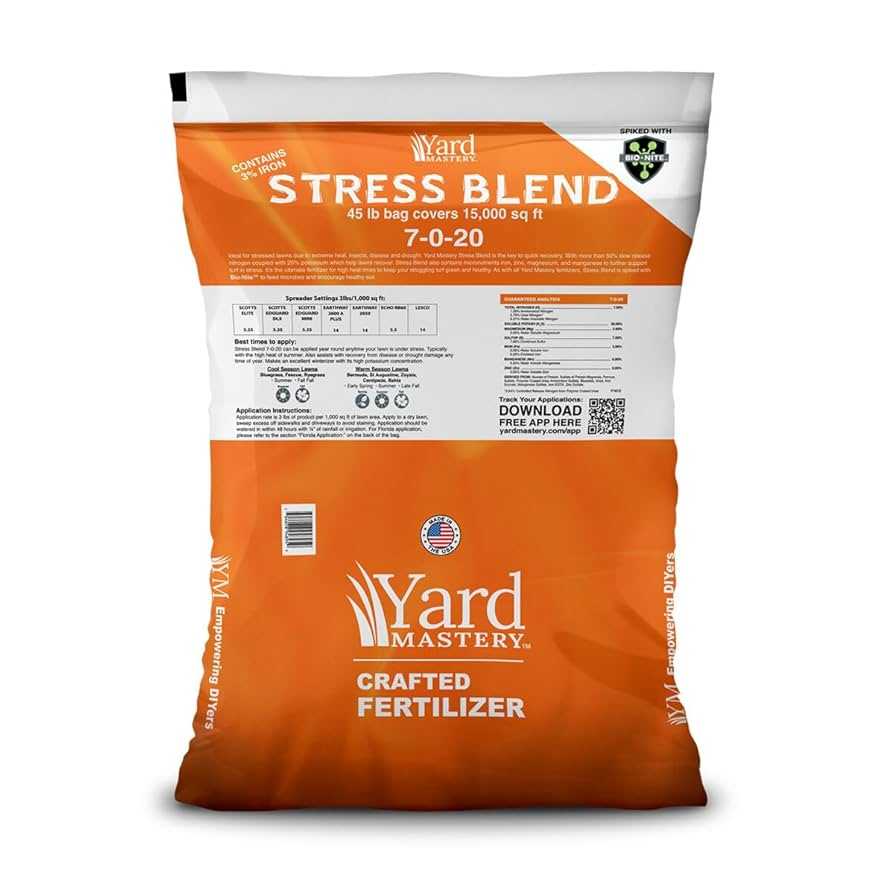
To effectively use granular fertilizer in summer, spread it evenly around your plants and water thoroughly to help nutrients penetrate the soil. Apply in the early morning or late evening to avoid evaporation, and follow the recommended dosage for your specific plants. Consistent feeding will boost growth and keep your garden vibrant through the hot months.
In summer, using granular fertilizer can be a game-changer for your garden’s health and productivity. The key is to apply it correctly—spread evenly, water well, and time your applications to minimize nutrient loss due to heat. Doing so ensures your plants get the nutrients they need to thrive in the warmer months, resulting in lush, healthy growth and bountiful yields.
Summer’s warmth can be both a blessing and a challenge for gardeners, making proper fertilization crucial. As temperatures soar, your plants require extra nourishment to maintain vigor and resist stress. Granular fertilizers are convenient, slow-release options that provide steady nourishment when applied carefully. Timing, quantity, and watering are essential tips to maximize their benefits, helping your garden flourish despite the summer heat. Whether you’re growing vegetables, flowers, or herbs, mastering the art of summer fertilization will keep your garden thriving all season long.

How to Use Granular Fertilizer in Summer
Applying granular fertilizer during summer requires careful planning and execution to help plants grow healthy and strong. Proper use can improve crop yield, maintain vibrant lawns, and promote lush garden growth. Understanding the correct methods and timing ensures the fertilizer works effectively and avoids waste or damage.
Understanding Granular Fertilizer and Its Benefits
Granular fertilizer is a solid form of plant nutrients compressed into small pellets or particles. It slowly releases nutrients over time, providing a steady supply for plants. This type of fertilizer is easy to handle, store, and apply, making it popular among gardeners and farmers.
Some benefits include:
- Convenience: Simple to distribute evenly across large areas.
- Efficiency: Delivers nutrients directly to the soil where roots absorb them.
- Cost-effectiveness: Often lasts longer and requires fewer applications.
Choosing the Right Granular Fertilizer for Summer
Selecting the appropriate fertilizer depends on your plants’ needs and summer conditions. Look for products labeled for summer use or containing balanced nutrient ratios. Common options include fertilizers with high nitrogen content for leafy growth or phosphorus for root development.
Always check the NPK ratio—**Nitrogen (N), Phosphorus (P), Potassium (K)**—to match your gardening goals. For example, a product labeled 20-5-10 is suitable for promoting leaf growth during summer.
Timing Your Fertilizer Application in Summer
The best time to apply granular fertilizer is early morning or late afternoon. During these periods, temperatures are cooler, reducing the risk of fertilizer burning plants. Avoid applying during the hottest part of the day as intense sunlight can cause nutrient loss.
Apply fertilizer when soil moisture is adequate. If the weather is dry, water the soil before application to assist nutrient absorption.
Proper Methods for Applying Granular Fertilizer
Preparing the Soil
Begin by removing weeds and loosening the soil to ensure better fertilizer contact. Clear any debris or mulch that may hinder uniform application. Well-prepared soil enhances nutrient uptake and plant growth.
Applying the Fertilizer
Use a spreader or hand spreader to distribute granules evenly across the garden or lawn. Follow the recommended application rate stated on the product label. Spread fertilizer in small sections, overlapping slightly to avoid gaps.
Watering After Fertilizer Application
After applying, water the area thoroughly. This helps dissolve the fertilizer, enabling roots to absorb nutrients. Consistent watering during summer keeps the soil moist and encourages healthy growth.
Best Practices for Summer Fertilizer Use
- Follow the label instructions: Over-fertilizing can harm plants and the environment.
- Apply in moderate amounts: Too much fertilizer can lead to nutrient runoff or plant stress.
- Divide applications: Instead of one heavy dose, apply smaller amounts multiple times over the season for better results.
- Monitor plant health: Watch for signs of nutrient deficiency or excess, adjusting applications as needed.
Addressing Common Summer Challenges with Granular Fertilizer
Dealing with Heat Stress
Heat can cause plants to become stressed, limiting nutrient absorption. Applying granular fertilizer in early morning reduces exposure to intense sun and helps plants recover faster.
Managing Soil Moisture
Consistent watering during summer is key. Dry soil reduces fertilizer effectiveness and can lead to plant dehydration. Mulching around plants helps retain moisture and keeps roots cool.
Preventing Nutrient Runoff
Heavy rainstorms might wash away nutrients, especially if fertilizer is applied right before rain. Check weather forecasts and wait to fertilize if storms are anticipated. Light, frequent applications are more effective in such cases.
Related Topics to Consider
Soil Testing and Fertilizer Recommendations
Performing a soil test helps determine nutrient deficiencies and guides the choice of fertilizer. Regular testing ensures optimal plant health without over-application.
Alternative Fertilizer Types for Summer
Complement granular fertilizers with liquid feeds or organic options like compost and manure for a balanced approach. Organic fertilizers improve soil health over time and reduce chemical runoff.
Seasonal Fertilizer Adjustments
Adjust fertilizer types and amounts based on plant growth stage and season. Summer often requires a focus on maintaining soil moisture and providing nutrients for active growth.
Safety Tips for Using Granular Fertilizer in Summer
- Wear gloves and eye protection: Prevent skin or eye irritation from contact with fertilizer.
- Keep fertilizers away from children and pets: Store in a secure place to avoid accidental ingestion.
- Follow disposal instructions: Properly dispose of empty containers to avoid environmental contamination.
Following these practices ensures your summer fertilizer application is safe, effective, and environmentally friendly. Proper timing, methodical application, and attentive care make a big difference in plant health and productivity throughout the hot summer months. Remember, patience and consistent care lead to vibrant, thriving gardens and lawns even during the warmest season.
Summer Fertilizer Tips [DIY Lawn Care]
Frequently Asked Questions
When is the best time to apply granular fertilizer during summer?
Apply granular fertilizer in the early morning or late afternoon to avoid the intense heat of midday, which can cause the fertilizer to evaporate quickly. This timing ensures the nutrients are absorbed effectively by the plants and reduces the risk of leaf scorch or fertilizer burn. Avoid applying during the hottest part of the day to prevent damaging your lawn or garden.
How should I prepare the soil before applying granular fertilizer in summer?
Ensure the soil is moist before applying granular fertilizer. Water your plants or lawn thoroughly a day prior to fertilization. This prevents the fertilizer from sitting directly on dry soil, reducing the chance of burning the roots. Proper soil preparation helps the nutrients penetrate deeper and promotes healthier growth during the hot summer months.
What techniques can I use to evenly distribute granular fertilizer in summer?
Use a spreader or broadcast the fertilizer manually in a consistent pattern to ensure even coverage. Walk slowly and overlap your passes slightly to avoid missed spots. For larger lawns, a broadcast spreader provides uniform application, preventing concentration of nutrients in one area and ensuring all plants receive adequate feeding.
Are there specific types of granular fertilizer suitable for summer use?
Choose fertilizers with a balanced or slow-release formula designed for summer conditions. These fertilizers release nutrients gradually, helping plants withstand the heat stress and reducing the risk of fertilizer burn. Check the label for nutrient ratios and select a product that matches your plants’ needs and the current season.
How can I avoid nutrient runoff when applying granular fertilizer in summer?
Apply granular fertilizer when the soil is moist, but not soaked, to help it stay in place. Avoid applying before heavy rain to prevent runoff and pollution of nearby water sources. Lightly water the area after application to help the fertilizer penetrate the soil, reducing the risk of nutrients washing away during summer thunderstorms.
Final Thoughts
Using granular fertilizer in summer effectively boosts plant growth. Apply it evenly around the base of your plants to ensure nutrients reach the roots. Water thoroughly after application to help the fertilizer absorb. Be mindful of the weather; avoid applying fertilizer before heavy rain.
In summer, use a slow-release granular fertilizer to supply nutrients steadily over time. Reapply every 6-8 weeks for best results. Proper timing and quantity prevent over-fertilization and protect plant health.
How to use granular fertilizer in summer is simple when you follow these tips. Apply evenly, water well, and reapply as needed to keep your plants thriving.