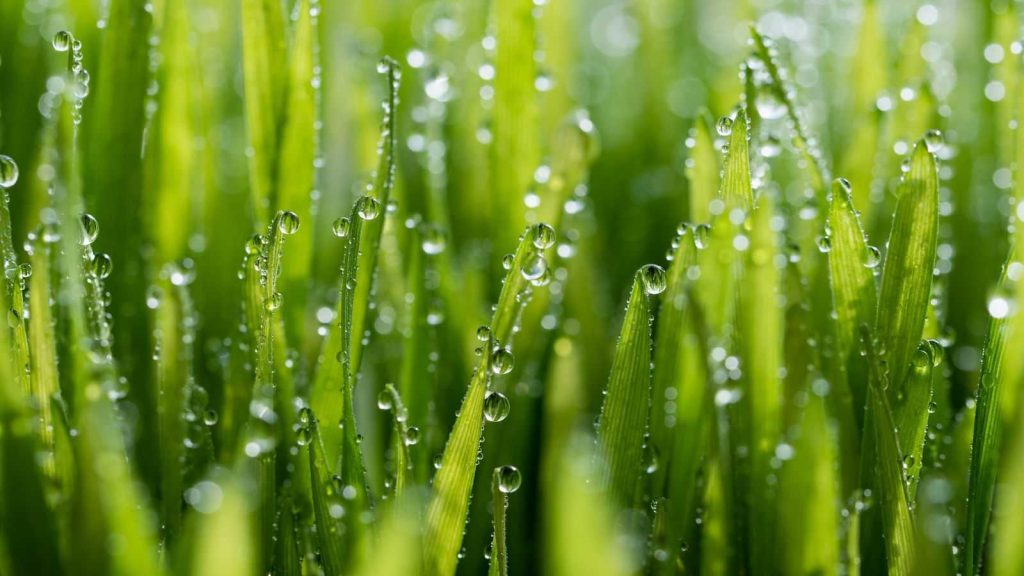
Fertilizing your lawn during a summer rain might seem like a good idea to save time and water, but it’s often not recommended. Rain can wash away nutrients before they have a chance to nourish your grass, and applying fertilizer during wet conditions can lead to runoff, pollution, and uneven growth. So, the quick answer is: it’s best to avoid fertilizing during heavy summer rain. Wait for a dry spell to ensure your lawn gets the full benefit of the nutrients without waste or environmental harm. Keeping your lawn healthy requires timing and care; understanding when to fertilize can make all the difference in creating lush, green grass that thrives through the season. Proper timing coupled with weather awareness is key to successful lawn fertilization.

Can you fertilize lawn during summer rain?
Understanding the Basics of Lawn Fertilization and Rain
Fertilizing your lawn provides essential nutrients that help grass grow thick and healthy. Rain can influence how these nutrients are absorbed and how effective your fertilization efforts will be. Knowing the relationship between rain and fertilization is key to maintaining a lush, green lawn.
How Rain Affects Fertilizer Absorption
Rain can help fertilizer seep into the soil better, especially if it’s applied just before a light drizzle. Water moves the nutrients deeper into the soil where roots can access them. However, heavy rain might wash away fertilizer before the grass can absorb it, reducing its effectiveness.
Risks of Fertilizing During Heavy Rain
Applying fertilizer during or right before heavy rainfall can cause runoff. This runoff may carry nutrients into nearby waterways, leading to pollution and algae growth. Excessive runoff also means your lawn doesn’t get all the nutrients you intended to provide.
How Runoff Happens
Heavy rain creates a quick flow of water across the surface of your lawn. Fertilizer that hasn’t been absorbed quickly gets carried away. This not only wastes your fertilizer investment but also harms the environment.
Signs Your Lawn Is Ready for Fertilizer
Look for signs like moist soil, mild temperatures, and recent mowing. These conditions help maximize fertilization benefits and reduce the chances of nutrient runoff.
Best Practices for Fertilizing During Summer Rain
Timing and technique are essential when fertilizing during rainy weather. Follow these practices for the safest and most effective results.
Check Weather Forecasts
Always monitor weather reports before fertilizing. Wait for light rain or dry periods to prevent fertilizer loss. Avoid fertilizing if heavy rain is forecasted within the next 24 hours.
Use Slow-Release Fertilizers
Opt for slow-release fertilizers that provide nutrients over time. They are less likely to wash away during rain and stay in your soil longer.
Apply Fertilizer in the Early Morning or Late Evening
Applying during cooler parts of the day helps reduce evaporation and runoff. It also gives your lawn time to absorb nutrients before the heat of the day.
Follow Proper Application Rates
Use only the recommended amount specified on the fertilizer package. Over-application during rain increases the chance of runoff and pollution.
Environmental Impact of Fertilizing During Rain
Fertilizer runoff can cause serious environmental issues, particularly water pollution. Understanding the ecological impacts highlights the importance of careful fertilization practices.
Water Pollution and Nutrient Runoff
Excess nutrients like nitrogen and phosphorus can lead to algae blooms in lakes and rivers. These blooms can harm aquatic life and contaminate drinking water sources.
Soil Health and Fertilizer Leaching
Too much fertilizer applied during rain can leach into groundwater, affecting soil chemistry and potentially causing pollution. It’s better to apply fertilizer when the soil can absorb it effectively.
Alternative Approaches to Lawn Fertilization in Summer
If rain is imminent or ongoing, consider alternative methods to keep your lawn healthy without risking runoff.
Fertilize During Dry Periods
The ideal approach is applying fertilizer during dry weather, followed by watering the lawn to help nutrients soak in. This minimizes runoff risks.
Use Organic Fertilizers
Organic options typically release nutrients slowly and are less prone to washing away. They also improve soil health over time.
Implement Lawn Care Techniques
Proper mowing, aeration, and watering can help your lawn better absorb nutrients, reducing the need for fertilization during rainy periods.
Summary of Key Points
- Rain can both aid and hinder fertilizer absorption depending on intensity and timing.
- Heavy rain increases runoff, risking nutrient loss and environmental pollution.
- Timing fertilizers around weather forecasts is crucial for effectiveness and environmental safety.
- Slow-release and organic fertilizers can provide benefits even during rainy periods.
- Fertilizer application during dry weather, followed by watering, is generally the safest approach.
Additional Tips for Lawn Fertilization During Summer
- Apply fertilizer evenly to prevent patchy growth.
- Use a spreader for consistency and better coverage.
- Water your lawn after fertilization if rain hasn’t occurred in a while to help nutrients penetrate the soil.
Related Topics to Consider
Watering Techniques for a Healthy Lawn
Proper watering complements fertilization by promoting nutrient absorption and reducing the risk of drought stress.
Soil Testing and Nutrient Management
Regular soil testing can determine nutrient deficiencies, helping you apply the right fertilizers at the right times.
Seasonal Lawn Care Tips
Different seasons require tailored lawn care routines to maintain optimal grass health throughout the year.
Controlling Lawn Pests and Diseases
Healthy, well-fertilized lawns are less susceptible to pest and disease problems. Incorporate pest management into your lawn care plan.
Natural Ways to Boost Lawn Growth
Consider composting and natural amendments to enhance soil quality and promote sustainable lawn care practices.
By understanding the impact of rain on fertilization, you can make smarter choices that benefit your lawn and the environment. When in doubt, waiting for ideal weather conditions ensures your efforts produce the best results without unnecessary waste or pollution.
Can You Fertilize The Lawn in Summer and Not Burn It?
Frequently Asked Questions
Is it effective to fertilize the lawn during heavy summer rain?
Fertilizing during heavy summer rain can cause nutrients to wash away before the grass absorbs them, reducing the effectiveness of your application. Excessive rain can lead to runoff, which not only wastes fertilizer but also risks polluting nearby water sources. It’s best to wait until the rain subsides and the soil has absorbed the water to ensure the nutrients stay in the root zone and benefit your grass.
How does rain impact the distribution of fertilizer on my lawn?
Rain can cause uneven distribution of fertilizer by washing it away from some areas while concentrating it in others. This uneven application may lead to patches of over-fertilized or under-fertilized grass. Proper timing of fertilization helps achieve consistent growth and prevents nutrient imbalances across your lawn.
What are the risks of fertilizing during a summer rainstorm?
Applying fertilizer during a rainstorm increases the risk of nutrient runoff, which can contaminate nearby water bodies and contribute to pollution. It also diminishes the fertilizer’s effectiveness since the nutrients don’t stay in the soil long enough for the grass to absorb them. It’s safer and more efficient to fertilize when the weather is dry for a period after rainfall.
Should I wait for the rain to stop before fertilizing my lawn?
Yes, waiting for the rain to stop ensures that the fertilizer has time to penetrate the soil rather than being washed away. Applying fertilizer on a dry or slightly damp lawn allows it to stay in place and be absorbed more effectively, promoting healthy lawn growth.
What is the best time to fertilize after summer rain?
The ideal time to fertilize after summer rain is once the soil has dried sufficiently and the grass shows signs of needing nutrients. Wait at least 24 to 48 hours after a rainstorm to prevent runoff and ensure the fertilizer remains available for your grass to uptake. Regularly monitor weather conditions to choose the best timing for fertilization.
Final Thoughts
Fertilizing your lawn during summer rain can be beneficial if done correctly. Rainwater helps dissolve the fertilizer, enabling roots to absorb nutrients efficiently. However, applying fertilizer during heavy rain can lead to runoff and pollution.
It’s best to wait for moderate or light rain to avoid waste and environmental harm. Always follow the manufacturer’s recommendations for timing and application.
In conclusion, can you fertilize lawn during summer rain? Yes, but only when the rain is gentle, ensuring the nutrients penetrate the soil effectively.