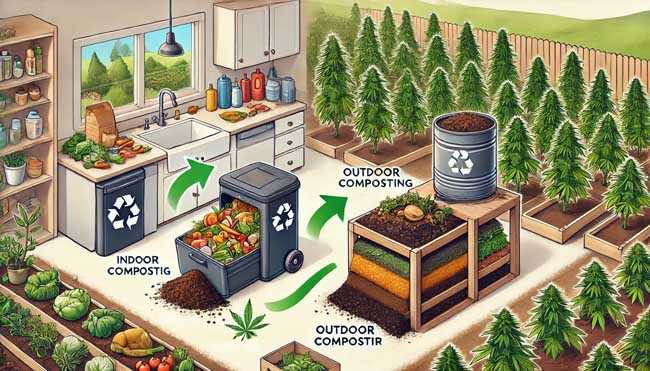
To transform leaf waste into rich garden compost, collect fallen leaves, shred them into smaller pieces, and mix them with nitrogen-rich materials like grass clippings or vegetable scraps. Keep the pile moist and aerate regularly to speed up decomposition. Over time, this process will turn your leaf waste into nutrient-packed compost ready to nourish your garden.
Turning leaf waste into garden compost is a simple and effective way to recycle natural materials and improve your soil health. First, gather your leaves and shred them to increase surface area, which accelerates decomposition. Mix the shredded leaves with green waste, keep the pile moist, and turn it every few weeks to aerate. With patience, your leaf waste transforms into dark, crumbly compost that enriches your garden beds naturally. This eco-friendly approach reduces waste and provides your plants with essential nutrients, making it a rewarding gardening practice that benefits both the environment and your plants.

How to turn leaf waste into garden compost
Turning leaf waste into compost is an excellent way to recycle yard debris and create rich soil for your garden. Composting helps reduce waste that would otherwise go to the landfill and improves your garden’s health. In this guide, you will learn step-by-step how to convert your fallen leaves into nutrient-rich compost that plants love.
Understanding the Benefits of Composting Leaves
Leaves are a natural source of organic matter loaded with nutrients like nitrogen, phosphorus, and potassium. Composting leaves helps break down these nutrients, making them more accessible for plants. Additionally, composted leaves improve soil structure, increase water retention, and promote healthy root growth.
Types of Leaves Suitable for Composting
Most common tree leaves are suitable for composting, but some are better than others. Maple, oak, birch, and ash leaves are excellent choices. However, avoid diseased or heavily coated leaves treated with pesticides or herbicides. Raked leaves should be free of trash, sticks, and other debris to ensure quality compost.
Gathering and Preparing Leaf Waste
Collecting Leaves Effectively
Use a lawn mower with a bagger to shred leaves as you collect them. Shredded leaves decompose faster because they have a larger surface area. Alternatively, you can rake leaves into piles and chop or shred them manually or with garden tools.
Timing for Leaf Collection
Gather leaves in the fall after most trees have shed their foliage. Collect leaves regularly to prevent them from smothering your grass or garden beds. Keep aside a significant amount for composting during winter months when leaves are abundant.
Creating Your Leaf Composting System
Choosing a Compost Bin or Pile
Select a compost bin, tumbler, or create a simple open pile in a corner of your yard. Ensure good airflow and adequate space for turning. Bins help contain the compost and keep pests away.
Location and Setup
Place your compost system in a shaded area that gets some sun. Keep it on bare soil or gravel to allow beneficial microbes and worms to access the compost. Layer the bin with leaves, soil, and other organic waste for optimal results.
How to Turn Leaf Waste into Compost: The Process
Layering and Mixing
Start with a layer of coarse materials like sticks or straw to promote airflow. Follow with a layer of shredded leaves. Alternate with nitrogen-rich materials like grass clippings or kitchen scraps if available. Keep layers about 4 to 6 inches thick.
Balancing Green and Brown Materials
Leaves are considered brown materials rich in carbon. To speed up the composting process, mix in green materials like vegetable scraps or fresh grass clippings, which add nitrogen. A good rule is to maintain a ratio of approximately 3 parts brown to 1 part green.
Moisture and Aeration
The compost should remain moist, like a damp sponge, but not soaked. Regularly turn the pile with a pitchfork or shovel to aerate it and speed up decomposition. Proper aeration prevents foul odors and encourages beneficial microbes.
Ideal Conditions for Composting Leaves
| Parameter | Optimal Range |
|---|---|
| Temperature | 130°F to 160°F (54°C to 71°C) |
| Moisture | Maintained at 40-60% |
| Aeration | Turn every 1 to 2 weeks |
| pH Level | Between 6.0 and 7.0 |
Speeding Up the Composting Process
- Shred leaves: Smaller pieces decompose faster.
- Maintain moisture: Keep compost moist but not waterlogged.
- Turn regularly: Aerate to supply oxygen and prevent compaction.
- Use compost accelerators: Optional microbial starters or compost teas can boost microbial activity.
- Manage layering: Alternate brown leaves with green materials for a balanced compost.
When and How to Harvest Your Compost
Typically, compost is ready in 3 to 6 months, depending on conditions. It should look dark, crumbly, and smell earthy. To harvest, move finished compost to one side of your pile and use a screen or shovel to collect the mature material.
Signs of Fully Composted Leaf Material
- Dark brown and crumbly texture
- Earthy aroma
- Absence of recognizable leaf shapes
- Rich, fertile smell
Using Your Leaf Compost in the Garden
Spread the compost around your plants, mix it into existing soil, or use it as mulch. It enriches soil with nutrients, improves moisture retention, and suppresses weeds. Regular application of compost helps maintain a healthy garden ecosystem.
Tips for Successful Leaf Composting
- Be patient: Composting takes time, especially with leaves.
- Keep it balanced: Mix greens and browns for optimal decomposition.
- Manage pests: Avoid adding diseased or greasy leaves to your compost pile.
- Use local leaves: Sometimes, specific leaves decompose better or faster depending on your tree types.
- Compost year-round: Keep a compost pile in the winter—leaves decompose even in the cold.
Related Topics
- Compost bin vs. open pile: Which is better for your yard?
- Adding kitchen scraps: What can and cannot go in compost?
- Controlling pests and odors: Tips to keep your compost healthy and odor-free.
- Using compost teas: How to make liquid fertilizer from compost.
- Maintaining compost health: Troubleshooting common problems like bad smells or slow decomposition.
By following these steps, you can efficiently turn your leaf waste into valuable garden compost. This process not only enriches your soil but also helps reduce waste and supports a greener environment. With patience and care, your garden will flourish with the nutrients provided by your homemade compost.
How to Make Leaf Mold: Turn Fallen leaves into gardener's gold
Frequently Asked Questions
What are the best methods for collecting and preparing leaf waste for composting?
Gather fallen leaves regularly in your yard and chop them into smaller pieces to speed up decomposition. Use a leaf rake or a shredder to break down the leaves, which increases aeration and accelerates composting. Mix the shredded leaves with other compost ingredients like kitchen scraps and grass clippings for a balanced compost pile. Ensure the leaves are free from contaminants such as pesticides or chemicals before adding them to your compost system.
How can I balance the carbon-to-nitrogen ratio when composting leaf waste?
Leaves are high in carbon, so add nitrogen-rich materials like grass clippings, vegetable scraps, or coffee grounds to balance the pile. Aim for a ratio of roughly 30 parts carbon to 1 part nitrogen. Layer these materials alternately, and mix them regularly to maintain proper airflow and moisture. This balance helps microorganisms break down the organic matter efficiently, resulting in rich, healthy compost.
What maintenance steps should I take to ensure quick composting of leaf waste?
Turn the compost pile regularly to aerate it and facilitate uniform decomposition. Keep the moisture level consistently moist but not soggy, similar to a damp sponge. If the pile becomes too dry, add water; if it’s too wet, incorporate more dry leaves or other dry materials. In colder weather, insulate the pile with straw or old blankets to maintain warmth and speed up the composting process.
Final Thoughts
How to turn leaf waste into garden compost involves collecting fallen leaves and shredding them into smaller pieces. Mix these leaves with other organic materials like food scraps or grass clippings to balance carbon and nitrogen levels. Turn the pile regularly to ensure proper aeration and moisture.
Proper layering and timely turning accelerate decomposition, creating nutrient-rich compost. This process enriches your garden soil naturally. Composting leaves reduces waste and promotes a healthy garden.
In summary, turning leaf waste into garden compost is simple and sustainable. It helps recycle organic waste efficiently and enhances soil quality.