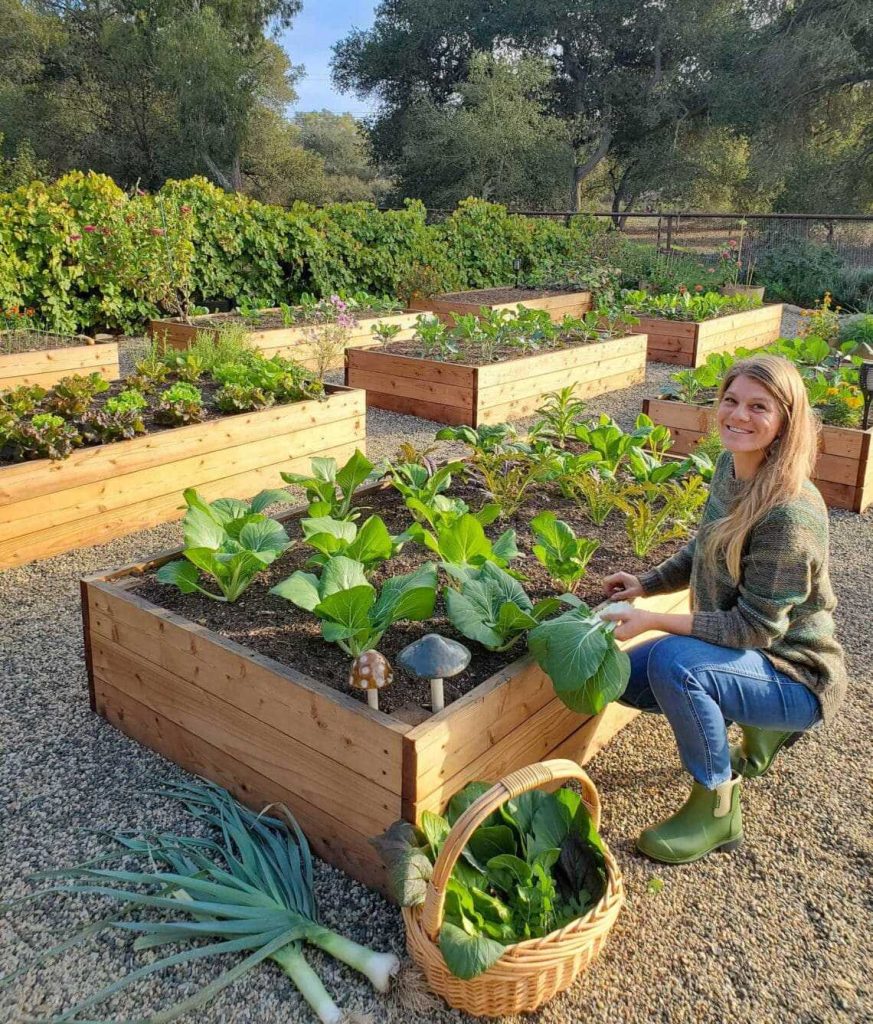
Building a raised garden bed is a fantastic way to enhance your gardening experience, improve soil quality, and increase crop yields—all while making it easier to tend to your plants. To get started, all you need is a few simple materials like wood or stone, some soil, and a little bit of time. With the right structure, you can create a perfect environment for vegetables, herbs, or flowers. The best part? It’s an easy DIY project that anyone can tackle. In this article, we’ll walk you through the steps to build your own raised garden bed, ensuring you have the tools and knowledge to create a beautiful space for growing your favorite plants. Let’s dig in!

“`html
How To Build A Raised Garden Bed
Building a raised garden bed can be a rewarding project for both novice and experienced gardeners. Not only do these beds provide excellent drainage and soil control, but they also make gardening easier on your back. Let’s explore the steps and tips you need to create your very own raised garden bed.
Why Choose a Raised Garden Bed?
Raised garden beds offer numerous advantages. They help manage soil quality, protect plants from pests, and can be created at a height that is comfortable for gardening. Here are some key reasons to consider:
- Better soil drainage and aeration
- Controlled soil quality
- Reduced soil compaction
- Minimized weed growth
- Easier access for planting and harvesting
Choosing the Right Location
Selecting the best spot for your raised garden bed is crucial. Look for a location that gets at least 6 to 8 hours of sunlight. Also, consider these factors:
- Proximity to a water source
- Protection from strong winds
- Accessibility for maintenance
Assessing the Soil
Even though you will be building a raised bed, the existing ground soil is important. Check if it has good drainage. To do this, dig a hole about a foot deep, fill it with water, and see how long it takes to drain. Quick drainage is ideal.
Choosing Materials for Your Raised Garden Bed
When constructing a raised garden bed, the materials you choose can impact its durability and safety. Here are some common options:
- Wood: Cedar and redwood are resistant to rot
- Bricks: Offer an attractive look and good durability
- Concrete Blocks: Easy to work with and very sturdy
- Metal: Galvanized steel or aluminum can last a long time
Wood Considerations
If you opt for wood, avoid treated lumber, as chemicals can leach into the soil. Instead, choose natural or untreated wood to keep your plants safe.
Gathering Your Tools
Having the right tools will make building your raised garden bed simpler and more efficient. Here’s a list of what you might need:
- Measuring tape
- Saw (if working with wood)
- Drill and screws
- Level
- Shovel
Building Your Raised Garden Bed
Now it’s time to get started on building your raised garden bed. Follow these steps for a successful build.
Step One: Measure and Cut the Wood
Decide the size of your raised bed. A common size is 4 feet by 8 feet. Cut the wood to your desired lengths. Ensure your pieces are straight for a neat appearance.
Step Two: Assemble the Frame
Lay the cut pieces of wood on the ground to form a rectangle. Use a drill to attach the corners together with screws. Make sure the frame is level; this is key for even planting.
Step Three: Prepare the Site
Clear the area where your raised bed will go. Remove any grass or weeds. If the ground is tough, you may need to loosen it with a shovel.
Step Four: Place the Frame
Carefully position the assembled frame on the prepared site. Secure it in place by adding stakes or anchoring it with soil.
Step Five: Fill with Soil
Fill your raised bed with a mix of soil. A common recipe is:
- 1 part topsoil
- 1 part compost
- 1 part peat moss or coconut coir
This mixture provides nutrients and good drainage for your plants.
Choosing Your Plants
Choosing the right plants for your raised garden bed is essential. Consider these factors:
- Your growing zone and climate
- Sunlight requirements of the plants
- Companion planting options
Feel free to mix flowers, vegetables, and herbs to create a diverse garden.
Planting in a Raised Bed
When planting, follow the recommended spacing for each type of plant. This will help prevent overcrowding and ensure every plant has room to grow.
Watering Your Raised Garden Bed
Proper watering is vital for the health of your plants. Because raised beds can dry out more quickly, regular watering is essential. Here are some tips:
- Water deeply rather than frequently
- Use a soaker hose or drip irrigation for efficiency
- Mulch the surface to retain moisture
Maintaining Your Raised Garden Bed
Once your garden bed is established, maintenance is straightforward. Regularly check for pests or diseases, and remove any dead plant material.
Seasonal Tasks for Your Raised Garden Bed
Gardening is a year-round activity. Here are some seasonal tasks to keep your raised bed thriving:
- Spring: Begin planting seeds and seedlings
- Summer: Water consistently and harvest mature plants
- Fall: Clean up the garden and consider cover crops
- Winter: Plan for the next gardening season
End-of-Season Care
At the end of the growing season, remove old plants and debris. You can also add compost to rejuvenate the soil for the next year.
Common Problems and Solutions
Gardening comes with its challenges. Here are some common issues you might face and how to solve them:
- Pests: Use organic pest control methods
- Weeds: Mulch heavily to suppress weed growth
- Soil erosion: Consider adding borders to contain the soil
Using Organic Techniques
Whenever possible, opt for organic gardening techniques. These methods are safer for your plants and the environment.
Building a raised garden bed is a fulfilling venture that can enhance your gardening experience. With the right materials, location, and plants, you can create a flourishing garden space that brings joy and nourishment. Happy gardening!
“`
How To Build A Raised Garden Bed | Cheap And Easy
Frequently Asked Questions
“`html
What materials are best for building a raised garden bed?
When building a raised garden bed, choose materials that are durable and safe for plants. Common options include untreated wood, such as cedar or redwood, which resist rot naturally. You can also use composite materials, bricks, or stone. Avoid using treated wood that contains harmful chemicals, as this can leach into the soil and affect plant health.
How deep should a raised garden bed be for optimal plant growth?
A raised garden bed should ideally be at least 12 inches deep to accommodate most vegetable and flower roots. If you plan to grow deeper-rooted plants like carrots or potatoes, consider making the bed 18 to 24 inches deep. A deeper bed allows for better drainage and soil health.
Can I build a raised garden bed on concrete or other hard surfaces?
Yes, you can build a raised garden bed on concrete or other hard surfaces. However, you should add a layer of landscape fabric or cardboard at the bottom to prevent weeds. Also, ensure proper drainage by incorporating a mix of soil that retains moisture but also drains well. This setup supports healthy root growth despite the hard surface.
How do I fill my raised garden bed with soil?
Start by filling the raised garden bed with a mixture of high-quality soil and organic matter. A good ratio is one part topsoil, one part compost, and one part other organic material, like well-rotted manure or peat moss. This combination provides nutrients, improves drainage, and enhances soil structure for plant growth.
Should I line my raised garden bed with plastic or landscape fabric?
It’s generally unnecessary to line your raised garden bed with plastic, as this can restrict water drainage and air circulation. However, using landscape fabric can help prevent weeds from growing up into your bed while still allowing water to flow through. If you line it, ensure the fabric allows proper drainage.
How can I protect my raised garden bed from pests?
To protect your raised garden bed from pests, consider using physical barriers, such as mesh netting or row covers, to keep insects at bay. Additionally, you can introduce beneficial insects like ladybugs or use organic pest control methods. Regularly inspect your plants for signs of pests and maintain healthy soil to promote plant vigor, making them less susceptible to infestations.
“`
Final Thoughts
Building a raised garden bed is a straightforward process that offers numerous benefits for your gardening experience. Start by selecting a suitable location and gathering your materials, ensuring you choose rot-resistant wood.
Next, construct the frame, secure the corners, and fill it with quality soil, making sure to add compost for nutrients.
Finally, plant your favorite vegetables or flowers, and enjoy the ease of maintenance. Following these steps on ‘How To Build A Raised Garden Bed’ will lead to a thriving garden that enhances your outdoor space.