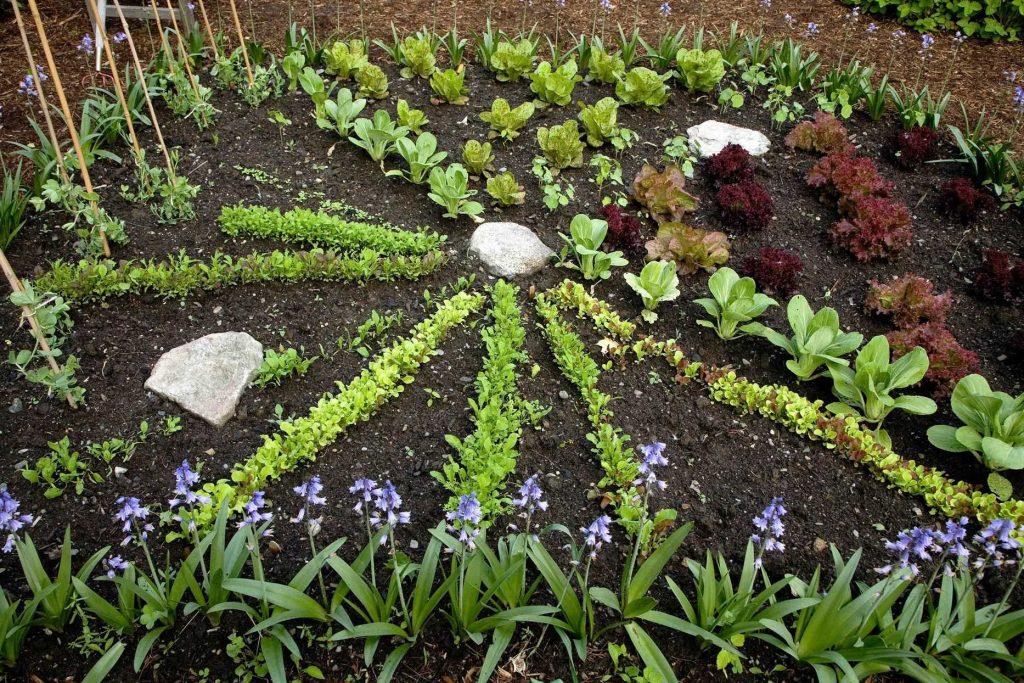
Planting a vegetable fall garden is a fantastic way to extend your growing season and enjoy fresh produce well into the cooler months. Start by choosing hardier crops such as spinach, kale, and carrots that thrive in the crisp autumn air. Prepare your soil by mixing in compost to enrich it, then plant your seeds or seedlings, ensuring they are spaced properly to allow for growth. Water them regularly, especially during dry spells, and consider using row covers for added protection against frost. By following these simple steps, you can enjoy a bountiful fall harvest that keeps your tables full and your kitchen bustling. Embrace the beauty of fall gardening and reap the rewards of your efforts!

How To Plant A Vegetable Fall Garden
As summer fades and the crispness of fall approaches, it’s time to think about planting a vegetable garden that will thrive in the cooler weather. A fall garden can be a rewarding project, allowing you to harvest fresh produce well into the season. Here’s how to successfully plant a vegetable fall garden.
Understanding Your Growing Zone
Before you start planting, it’s crucial to know your growing zone. This will help you determine which vegetables are suitable for your area. Most areas fall into one of the USDA hardiness zones.
* Check out the USDA Plant Hardiness Zone Map to find your zone.
* Use this information to select vegetables that will thrive in your specific conditions.
Knowing your zone allows you to choose the right plants and time for planting.
Choosing the Right Vegetables
Next, choose vegetables that are perfect for the fall climate. Some great options include:
- Broccoli
- Brussels sprouts
- Carrots
- Spinach
- Radishes
These vegetables are often hardy and can withstand cooler temperatures. Additionally, consider short-season varieties that mature quickly.
Preparing the Soil
Healthy soil is key to a successful fall garden. Start by preparing your garden beds.
* Remove any weeds or old plants from the area.
* Loosen the soil using a shovel or garden fork.
After loosening the soil, enrich it with compost. This will provide essential nutrients that plants need to grow strong and healthy.
Soil Testing
Consider testing your soil’s pH and nutrient levels. You can find soil testing kits at garden centers or online.
* Aim for a pH between 6.0 and 7.0 for most vegetables.
* Adjust your soil based on test results using lime or sulfur as necessary.
Testing your soil ensures that your plants will have everything they need to thrive.
Timing Your Planting
Timing is vital when it comes to planting your fall garden. Most fall crops can be planted in late summer to early fall.
* Sow seeds for fast-growing crops about 8-10 weeks before the first frost.
* Use local frost date charts to know when to plant.
Planning your planting schedule around frost dates will help you maximize your growing season.
Seed Starting or Transplants
You can either start seeds indoors or purchase transplants from local nurseries.
* Starting your seeds indoors gives you a jumpstart on the season.
* Transplants can save time and ensure a more immediate harvest.
Both methods have advantages, so choose what works best for you.
Planting Techniques
When you’re ready to plant, follow proper planting techniques.
* Space seeds or transplants according to package instructions.
* Cover seeds lightly with soil and water gently.
Keep in mind that some plants may need support as they grow, so be prepared to add stakes or cages if needed.
Watering and Maintenance
Watering is essential for a thriving garden.
* Water your plants consistently, especially during dry spells.
* Use mulch to conserve moisture in the soil.
Regular maintenance also includes weeding and checking for pests. Staying proactive will keep your garden healthy.
Frost Protection
As cool weather sets in, you’ll need to protect your plants from frost.
* Use row covers, cloches, or floating row covers to shield your plants.
* Harvest crops before the first hard frost when possible.
Being proactive about frost protection ensures that you can continue enjoying your fall vegetables.
Harvesting Your Fall Crops
Once your crops are ready, it’s time to harvest.
* Pick vegetables in the morning for the best flavor.
* Use clean tools to avoid spreading diseases.
Enjoy the fruits of your labor in delicious fall dishes. Your efforts in planting will surely pay off with fresh produce.
Companion Planting in Fall Gardens
Companion planting can enhance your garden’s health and yield. Some combinations work particularly well in fall gardens.
- Spinach with radishes
- Garlic with carrots
- Broccoli with beans
Establishing friendly plant relationships can help deter pests and improve plant growth.
Crop Rotation
Crop rotation is another important practice for a successful vegetable garden.
* Rotate your crops each season to prevent soil depletion.
* This method can also reduce the likelihood of pests and diseases.
Planning where you plant each year can lead to healthier soil and plants.
Common Fall Garden Pests
Like any garden, a fall vegetable garden is not without its pests. Some common pests include:
- Aphids
- Cabbage worms
- Flea beetles
To combat these pests, inspect your plants regularly and use organic solutions like insecticidal soap or neem oil.
Pest Prevention Tips
Preventing pests is always easier than dealing with an infestation.
* Keep your garden clean and free from debris.
* Encourage beneficial insects, such as ladybugs, to help control pest populations.
Implementing the right strategies can keep your garden healthy and productive.
Benefits of a Fall Garden
Planting a fall garden offers numerous benefits.
* You get to enjoy fresh vegetables when summer crops are done.
* Many fall crops are sweeter after being exposed to cooler temperatures.
Additionally, gardening in the fall can provide a relaxing and rewarding way to enjoy nature.
Extended Growing Season
One of the main advantages of a fall garden is that it extends your growing season.
* Many vegetables thrive and can be harvested well into late fall.
* This allows for more diverse meals and fresh produce for longer.
Maximizing the time you spend gardening can lead to greater satisfaction and enjoyment.
Final Thoughts on Planting Your Fall Vegetable Garden
As you embark on your fall gardening journey, remember to enjoy the process.
* Take the time to learn about each plant and its needs.
* Don’t hesitate to ask for help or research more about the best practices.
Planting a fall vegetable garden is not just about the harvest; it’s about nurturing life and indulging in the beauty of nature.
With proper planning and care, you can successfully grow a vibrant fall garden that will yield delicious vegetables until winter’s arrival. Embrace the joy of gardening, and savor the flavors of the season!
Secrets to Fall Vegetable Gardening (And When to Plant!)
Frequently Asked Questions
What vegetables are best suited for a fall garden?
When planning a fall garden, consider planting vegetables that thrive in cooler temperatures. Some great options include kale, spinach, carrots, broccoli, and Brussels sprouts. These vegetables not only tolerate frost but often taste sweeter after a light freeze.
When should I start planting my fall garden?
The timing for planting your fall garden depends on your local climate. Generally, you should plant cool-season crops about 6 to 8 weeks before your first expected frost date. Check your local gardening calendar for the specific dates in your region to ensure successful growth.
How should I prepare the soil for a fall garden?
Start by clearing the garden bed of any leftover summer crops or weeds. Turn the soil to aerate it and mix in organic matter such as compost to improve fertility and drainage. Testing the soil pH can also help you determine any necessary amendments before planting.
Should I use row covers for my fall garden?
Yes, using row covers can protect your fall crops from unexpected frost and pests. They provide an extra layer of insulation and can help maintain soil warmth. Just ensure the covers are lightweight enough to let sunlight in while protecting your plants.
How often should I water my fall garden?
Watering needs can vary based on rainfall and temperature, but generally, aim to keep the soil consistently moist, especially during dry spells. Check the top inch of soil; if it feels dry, it’s time to water. Early morning or late afternoon tends to be the best time for watering to reduce evaporation.
Can I use seeds from my summer garden in my fall garden?
Using seeds from your summer garden can be effective, but ensure they are mature and viable. Some summer crops may cross-pollinate with fall crops, affecting the quality of your harvest. For the best results, consider purchasing new seeds that are designed for fall planting.
Final Thoughts
To successfully plant a vegetable fall garden, start with selecting the right crops suited for cooler weather. Incorporate fast-growing varieties like kale, carrots, and radishes to ensure a bountiful harvest.
Prepare your soil adequately by adding compost to enhance fertility and drainage.
Lastly, monitor your garden closely for pests and maintain consistent watering to support healthy growth. By following these steps on how to plant a vegetable fall garden, you’ll enjoy fresh produce even as the temperatures drop.