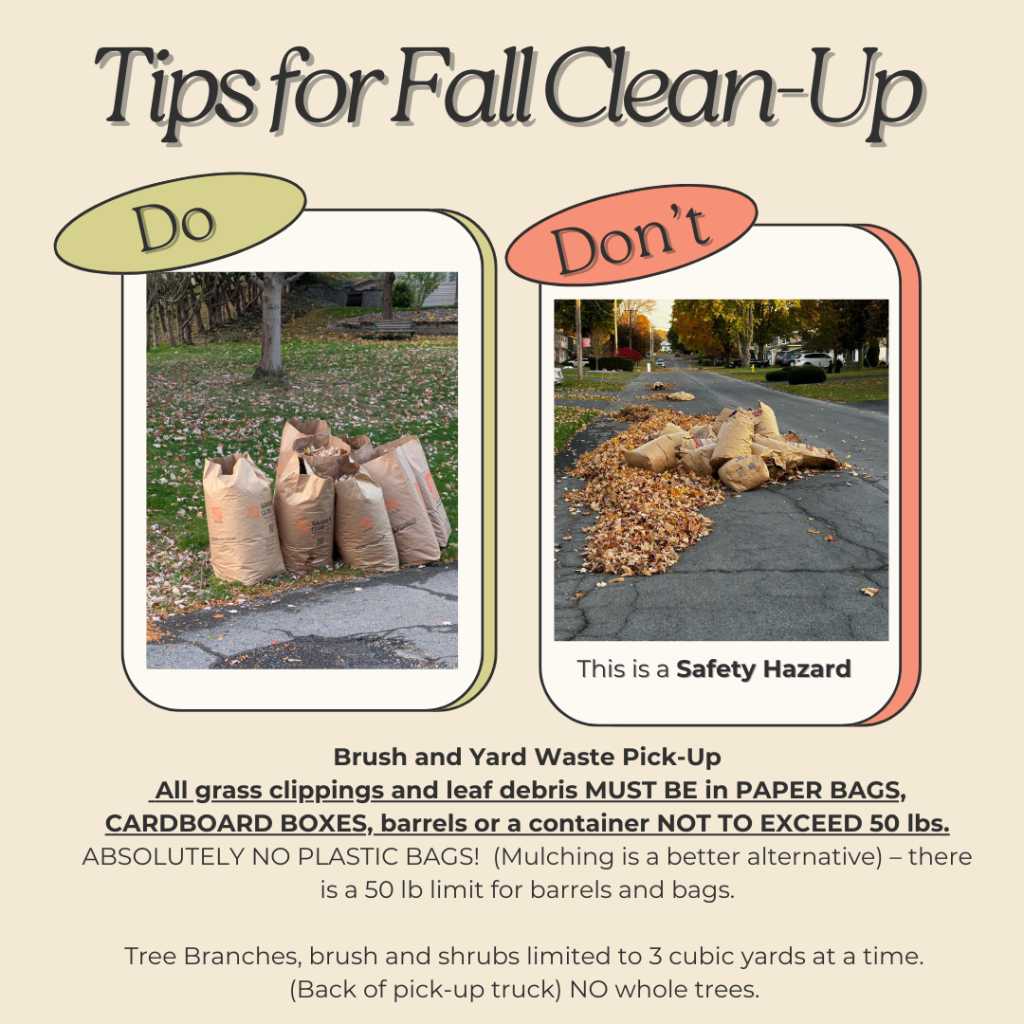
To cut down leaf waste during fall cleanup, mulch leaves to reuse them as natural compost or ground cover, and avoid over-collecting by focusing only on areas that need it most. These simple steps help reduce trash and give your yard a healthier, more eco-friendly boost.
In just a few easy ways, you can manage your fall leaves more efficiently. Mulching leaves with a mower turns them into nutrient-rich mulch, while targeting cleanup to the main areas minimizes waste. Incorporating these tips makes your yard work quicker and kinder to the environment.
As the leaves start falling, it can be tempting to rake every last one into the trash, but this approach creates unnecessary waste. Instead, consider smarter strategies like mulching and selective clearing to manage leaf cleanup more sustainably. Not only will you save time and effort, but you’ll also give back to your garden by recycling natural nutrients. With a few simple adjustments, you can enjoy a cleaner yard and reduce your ecological footprint during autumn.

Tips to Reduce Leaf Waste During Fall Cleanup
1. Use Mulching Mowers to Minimize Leaf Disposal
Using a mulching mower is one of the easiest ways to reduce leaf waste. These mowers cut leaves into tiny pieces that decompose quickly into the soil. This process not only keeps your yard clean but also provides natural fertilizer for your grass and plants. Remember to mow regularly, especially during peak leaf fall, to prevent leaf buildup on your lawn. Mulched leaves help improve soil health and decrease the need for bagging and hauling away debris.
2. Compost Fallen Leaves for Fertilizer
Composting leaves turns what seems like waste into valuable garden compost. Collect the leaves in a compost bin or pile, adding some brown materials like small sticks or shredded paper to balance moisture. Over time, microbial activity breaks down the leaves into nutrient-rich compost. Use this compost to enrich flower beds, vegetable gardens, or lawns. Composting reduces the amount of yard waste sent to landfills, supporting eco-friendly practices.
3. Collect and Reuse Leaves for Gardening
Leaves are excellent for insulating garden beds during cold months. Shred and spread them over flower beds to protect plants from frost and retain soil moisture. You can also use leaves as mulch around trees and shrubs, helping to suppress weeds and conserve water. Instead of bagging your leaves, consider reusing them around your garden for natural protection and nutrients.
4. Implement Leaf Collection Strategies to Prevent Excess Waste
Managing leaf collection effectively can lower waste volume and streamline cleanup. Start by raking leaves into small piles rather than large ones, which are easier to handle. Use a leaf blower or sweeper for quick gathering, but keep the airflow settings moderate to prevent dispersing dust and debris. Consider setting up designated collection areas to organize leaf disposal easily and reduce overflow.
5. Opt for Leaf-Handling Tools that Reduce Waste
Choosing the right tools can make a big difference in waste reduction. Use leaf scoops or forks to gather leaves without creating more debris. Leaf grabbers or tarps can help you move large amounts of leaves efficiently. These tools reduce the need for multiple trips and lessen the chance of scattering leaves across your yard.
6. Practice Spot Cleaning Instead of Whole Yard Raking
Instead of raking the entire yard at once, focus on high-traffic or visible areas. Spot cleaning helps diminish the amount of waste produced and makes cleanup more manageable. This method also encourages more targeted mulching or composting, reducing unnecessary waste. Regularly tending to specific areas prevents leaf buildup and keeps your yard tidy.
7. Choose Eco-Friendly Disposal Options for Excess Leaves
When you have more leaves than you can compost or mulch, select environmentally responsible disposal methods. Check if your community offers yard waste pickup or drop-off programs. Avoid burning leaves, as this releases harmful pollutants into the air. Instead, consider transforming excess leaves into mulch or compost, giving them a second purpose.
8. Incorporate Leaves into Your Landscape Design
Designing your landscape with leaf management in mind can reduce waste. Incorporate leaf-friendly features such as leaf-catching basins or naturalized areas that absorb fallen foliage. Planting a mix of trees with different leaf fall patterns can also help distribute leaf coverage and ease cleanup. This approach creates a more sustainable yard that naturally handles leaf debris.
9. Educate Yourself and Your Family About Sustainable Cleanup
Teaching everyone in your household about benefits of reducing leaf waste encourages participation. Share simple tips such as mulching, composting, and proper disposal. Children can help with raking small areas or spreading mulch, making cleanup eco-friendly and educational. Collective efforts make a significant difference in waste reduction.
10. Maintain Your Equipment for Optimal Leaf Management
Regularly servicing lawn tools ensures they work efficiently, reducing waste caused by malfunctioning equipment. Sharpen mower blades, clean out clogs, and check safety features routinely. Well-maintained equipment helps you mulch or collect leaves faster and more effectively, minimizing wasteful spills or missed areas. Proper tool care supports your fall cleanup efforts and environmental goals.
Related Topics
Creating a Naturalized Garden Area for Leaf Accumulation
Designing a garden space that welcomes and utilizes leaves can greatly reduce waste. Use naturalized beds where leaves can settle and decompose naturally. These areas also attract beneficial insects and wildlife.
Benefits of Mulching Leaves for Lawn Health
Applying mulched leaves to your grass can improve soil fertility, minimize weeds, and retain moisture. Mulching provides a sustainable way to manage leaves without creating waste.
Community Programs Supporting Yard Waste Reduction
Many communities offer yard waste pickup, composting programs, or leaf exchange events. Participating in these programs helps keep yard waste out of landfills and promotes sustainable practices.
Advanced Composting Techniques for Yard Waste
Explore hot composting or worm composting as efficient ways to turn leaves into rich soil. These methods speed up decomposition and handle large volumes of yard waste more effectively.
Environmental Impact of Proper Leaf Waste Management
Proper handling of leaves reduces pollution, saves landfill space, and supports local ecosystems. Choosing composting or mulching over burning or discarding protects air and soil quality.
Engaging in these practices during fall cleanup ensures that leaf waste is managed in an environmentally friendly way. It saves resources, supports your garden’s health, and minimizes your ecological footprint. By adopting even a few of these tips, you can enjoy a cleaner yard while caring for the planet.
Quick leaf bagging method #fall #leaves #cleanup #mister2620
Frequently Asked Questions
How can mulching help reduce the amount of leaf waste in your yard?
Mulching leaves involves shredding them into smaller pieces and spreading them over garden beds and lawns. This process helps compost the leaves naturally, enriching the soil with nutrients and reducing the need to collect and dispose of large quantities of yard waste. Mulching also prevents leaves from smothering grass and plants, promoting healthier growth while minimizing waste accumulation.
What techniques can homeowners use to prevent excessive leaf accumulation on pathways and driveways?
Using a leaf blower or a garden rake equipped with a wide head allows homeowners to efficiently clear leaves from hard surfaces. Regularly sweeping or blowing leaves into designated compost areas or garden beds helps prevent buildup. Additionally, scheduling cleanups after small batches of leaves fall ensures you don’t have to handle large quantities at once, reducing waste and effort.
In what ways can composting leaves contribute to waste reduction and garden health?
Composting leaves converts yard waste into nutrient-rich compost, which gardeners can use to enhance soil quality. By composting leaves instead of sending them to the landfill, you reduce waste volume and avoid methane emissions from decomposing organic material in landfills. This practice also supports sustainable gardening by recycling natural materials back into the soil, decreasing the need for synthetic fertilizers.
What are some eco-friendly alternatives to bagging and disposing of leaves?
Instead of bagging leaves for disposal, consider creating a leaf compost bin or pile on your property. You can also run leaves through a mulching mower directly onto your lawn or garden beds. These methods recycle leaves locally, save space in waste containers, and reduce the environmental impact of yard waste disposal.
How can timing your cleanup sessions help minimize leaf waste?
Performing smaller, more frequent cleanup sessions throughout the fall season prevents overwhelming accumulation of leaves. By removing leaves regularly, you can manage waste more efficiently, reduce the volume that needs to be bagged, and maintain a healthier yard. This approach also makes the process less labor-intensive and promotes consistent garden maintenance.
Final Thoughts
Tips to reduce leaf waste during fall cleanup help protect the environment and save time. Mulch leaves to enrich your soil and minimize yard waste. Use a compost bin to turn fallen leaves into valuable organic matter. Raking only necessary areas prevents excessive waste and effort. Incorporating these strategies allows you to manage your fall cleanup more efficiently and sustainably.