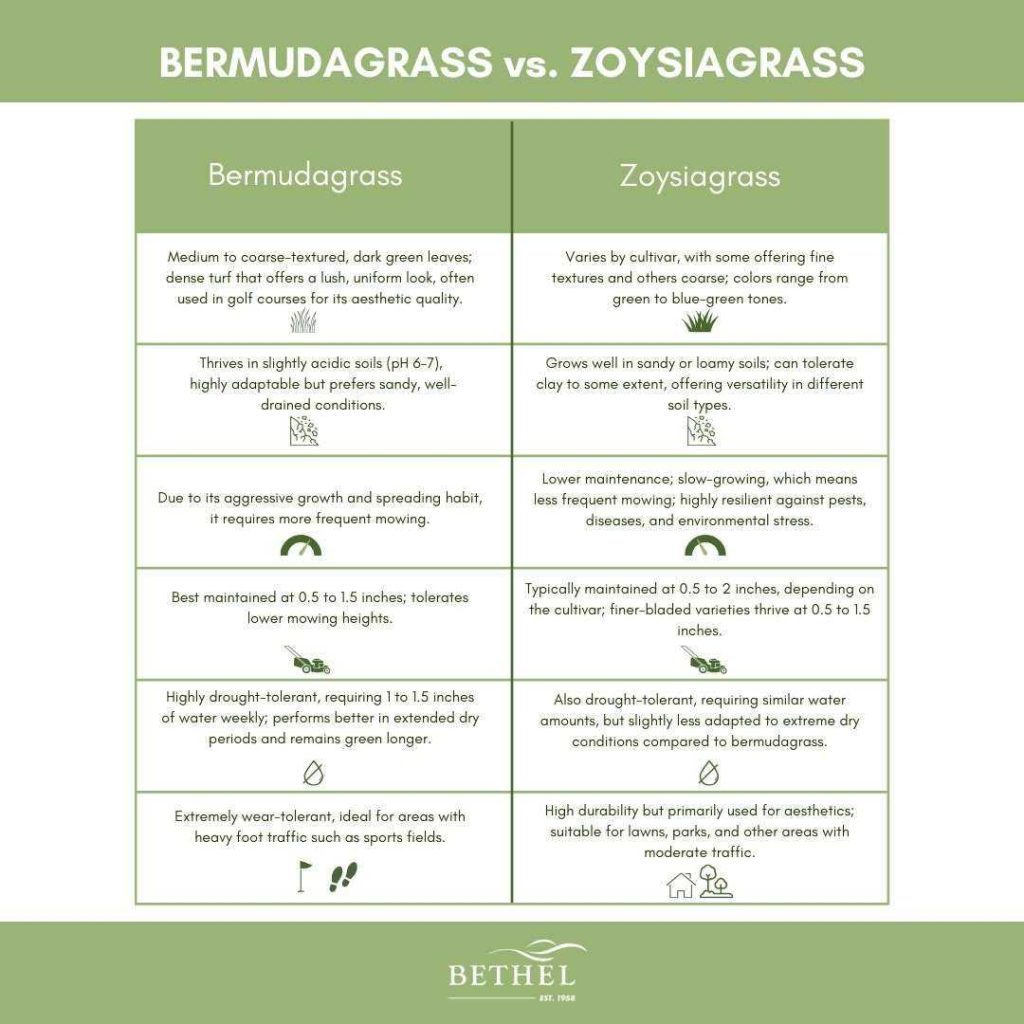
Quick answer: Zoysia grass has a finer texture, slower growth, and thicker blades, while Bermuda grass is coarser, grows faster, and has a more aggressive spread. To tell them apart, examine the blade texture, growth rate, and how they spread across your lawn.
Struggling to distinguish between Zoysia and Bermuda grass? Many homeowners face this challenge when maintaining a lush lawn, as both grasses are popular warm-season options but have distinct characteristics. Knowing how to tell the difference can help you choose the right care routine and prevent unwanted mix-ups. In this guide, we’ll explore the key visual and growth differences between these two grasses, making it easier for you to identify which one is thriving in your yard. Whether you’re overseeding, managing pests, or just curious about your lawn’s makeup, understanding these differences will help you make informed decisions for a healthy, beautiful yard.

How to Tell the Difference Between Zoysia and Bermuda Grass
Understanding the differences between Zoysia and Bermuda grass is important when choosing a turf for your lawn. Both grasses are popular in warm climates but have unique traits. Being able to tell them apart helps you make better decisions for lawn care, maintenance, and aesthetic appeal.
Physical Appearance and Grass Texture
One of the easiest ways to differentiate Zoysia from Bermuda grass is by observing their physical traits. Zoysia tends to be denser and has a softer, more velvety texture. Bermuda grass feels coarser and is usually rougher underfoot.
Color Differences
In general, Zoysia has a deeper shade of green, appearing darker than Bermuda. Bermuda’s color can be lighter and more vibrant during peak growing seasons. These color distinctions are noticeable especially in the early spring and late fall.
Blade Shape and Size
The blades of Zoysia are usually wider, thicker, and have a rounded tip. Bermuda blades are narrower, shorter, and more pointed. This blade shape difference can be seen clearly when inspecting a small patch of grass closely.
Growth Habits and Spreading Patterns
Both grasses spread differently, influencing how your lawn grows over time. Knowing their growth habits allows you to identify the type of grass in your yard accurately.
Zoysia Growth Characteristics
Zoysia spreads slowly through above-ground stolons and underground rhizomes. Its growth is more compact and tends to fill in small patches gradually. It often forms a dense, lush carpet that resists weeds better.
Bermuda Growth Characteristics
Bermuda spreads rapidly by both stolons and rhizomes, covering large areas quickly. It has a more aggressive growth pattern, which can be beneficial for quick recovery but challenging to control in some situations.
Cold Tolerance and Dormancy
Temperature tolerance influences how each grass performs in different seasons. Knowing their cold hardiness can help identify them during seasonal changes.
Zoysia Cold Tolerance
Zoysia can tolerate cooler temperatures better than Bermuda, often going dormant later in the season. It remains green longer into the fall, especially in areas with mild winter temperatures.
Bermuda Cold Tolerance
Bermuda is less cold-tolerant and tends to go dormant earlier in the fall. It often turns brown in cooler weather and takes longer to green up in spring.
Maintenance and Lawn Care Requirements
Different grasses require specific maintenance routines. Recognizing these needs can help distinguish between Zoysia and Bermuda.
Zoysia Maintenance
Zoysia requires less mowing, typically at heights of around two inches. It needs less frequent watering once established and benefits from occasional dethatching. It prefers a balanced fertilization schedule and is generally resilient against pests.
Bermuda Maintenance
Bermuda requires more frequent mowing, often at heights of about one to one and a half inches. It needs regular watering and fertilization to stay lush. Bermuda is more susceptible to pests and weeds, requiring vigilant lawn care.
Sunlight and Shade Tolerance
Both grasses thrive in full sun but differ slightly in their shade tolerance, affecting where they will grow best.
Zoysia and Shade
Zoysia tolerates partial shade better than Bermuda, making it suitable for lawns with some shaded areas. However, it still performs best with at least four to six hours of direct sunlight daily.
Bermuda and Shade
Bermuda prefers full sun and struggles to thrive in shaded areas. Its growth slows down significantly in partial shade, leading to uneven patches or thinning lawns.
Compatibility with Soil Types
Soil preferences influence how well each grass establishes and thrives.
Zoysia Soil Preferences
Zoysia prefers well-drained, fertile soils. It adapts well to a variety of soil types, including clay, loam, and sandy soils, making it versatile for different yard conditions.
Bermuda Soil Preferences
Bermuda performs best in sandy, well-drained soils with good fertility. It can struggle in clay soils unless amended properly.
Suitability for Different Uses
Each grass type has strengths suited for specific purposes, whether for a formal lawn, sports field, or high-traffic area.
Zoysia Suitability
Zoysia’s dense growth makes it ideal for low-maintenance lawns and areas requiring a softer surface. It is less tolerant of heavy foot traffic but offers excellent wear resistance in moderate use.
Bermuda Suitability
Bermuda’s aggressive growth and durability make it perfect for sports fields and high-traffic lawns. It recovers quickly from damage, maintaining a lush green appearance.
Environmental Impact and Sustainability
Understanding how each grass impacts the environment helps in choosing the most sustainable option.
Zoysia Environmental Traits
Zoysia generally requires less water and fertilizer, lowering its environmental footprint. Its drought tolerance makes it a sustainable choice for water conservation.
Bermuda Environmental Traits
Bermuda may need more water and nutrients to stay healthy but is also drought-tolerant once established. Its fast growth can mean more frequent mowing, impacting the environment indirectly.
Summary Table of Key Differences
| Feature | Zoysia Grass | Bermuda Grass |
|---|---|---|
| Color | Deeper green, darker shade | Lighter, brighter green |
| Blade Shape | Wider, rounded tips | Narrower, pointed tips |
| Texture | Soft, velvety | Coarser, rougher |
| Growth Speed | Slower | Faster |
| Cold Tolerance | Better, stays green longer in fall | Less tolerant, turns brown early |
| Sunlight Needs | Partial shade tolerated | Full sun preferred |
| Soil Preference | Various soils, including clay | Sandy, well-drained soils |
| Maintenance | Lower, less mowing | Higher, more frequent mowing |
| Use | Low to moderate traffic, aesthetic lawns | High traffic, sports fields, durable lawns |
A clear understanding of these differences allows homeowners and landscapers to select the best grass for their specific needs. Recognizing the visual traits, growth habits, and environmental preferences of Zoysia and Bermuda grass makes lawn care easier and more effective.
How to: Identification of the Difference Between Zoysia Grass & Bermuda Grass
Frequently Asked Questions
What visual differences can identify Zoysia grass from Bermuda grass?
Zoysia grass generally has a denser, finer texture with a slightly broader leaf blade compared to Bermuda grass. It tends to grow in a more compact, lush appearance, often forming a tight mat. Bermuda grass has a coarser texture with narrower leaves and a more upright growth pattern, making it look thinner and less dense than Zoysia.
How do the growth habits of Zoysia and Bermuda grasses differ?
Zoysia spreads slowly through both above-ground runners (stolons) and underground rhizomes, creating a thick, uniform lawn over time. Bermuda grass spreads rapidly via stolons and rhizomes, establishing a quick, vigorous growth pattern. This difference in growth speed affects how quickly each grass type fills in bare spots and recovers from damage.
What time of year do Zoysia and Bermuda grasses become most distinguishable?
During the growing season, Bermuda grass thrives and becomes more prominent in late spring and summer, showcasing its rapid growth. Zoysia, on the other hand, remains relatively steady but may turn a bronze or dormant color in cooler months. In late fall or winter, dormant Zoysia often looks more muted and less vigorous compared to Bermuda, helping you tell them apart.
How does the color vary between Zoysia and Bermuda grass?
In active growing seasons, both grasses display rich green hues. However, Zoysia typically has a darker, more muted green tone, giving a softer appearance. Bermuda grass tends to have a brighter, more vivid green, especially during peak growth periods, making it appear more vibrant overall.
What are the differences in maintenance needs for Zoysia versus Bermuda grass?
Zoysia requires less frequent mowing and can tolerate less frequent watering once established, thanks to its dense growth. It also handles shade better than Bermuda. Bermuda grass needs regular mowing due to its fast growth and prefers full sun, requiring more frequent watering and fertilization to maintain its lush appearance. These differences help in identifying the grass types based on lawn management practices.
Final Thoughts
To tell the difference between zoysia and bermuda grass, observe their growth patterns and texture. Zoysia tends to grow slowly with dense, fine blades, while bermuda spreads quickly with coarser grass.
Check the color during different seasons; zoysia remains a consistent green, whereas bermuda can turn brown in winter.
Finally, examine the leaf blades: zoysia has wider leaves compared to the narrower leaves of bermuda.
In conclusion, knowing how to tell the difference between zoysia and bermuda grass helps you choose the right lawn grass for your yard.