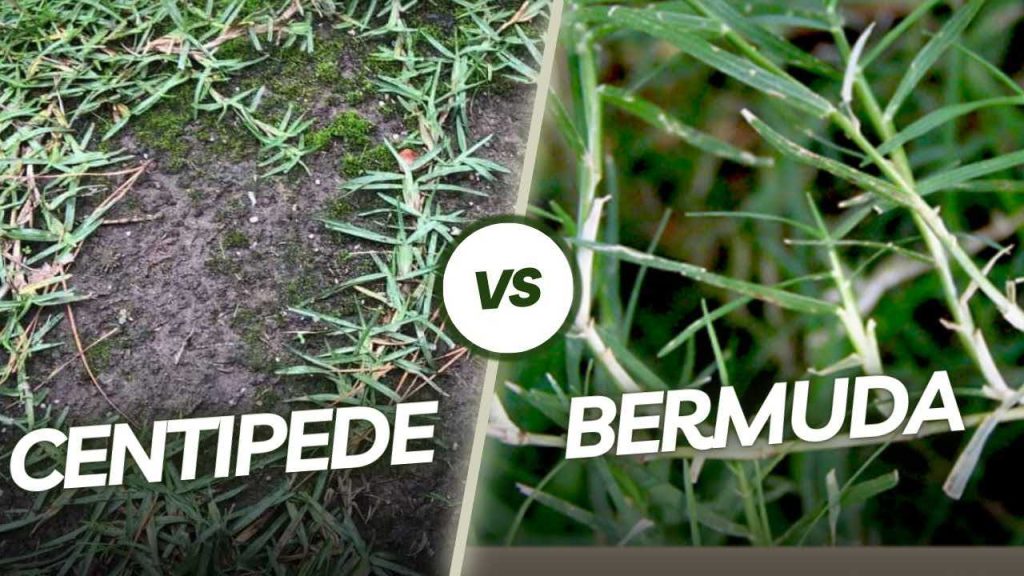
Looking for the perfect turf that combines durability with a lush appearance? Bermuda grass and centipede grass are two popular choices, each offering unique benefits for your lawn. If you’re wondering which grass type suits your needs best, understanding their differences can help you make an informed decision. Bermuda grass is known for its hardy, fast-growing nature and drought resistance, making it ideal for high-traffic areas, while centipede grass is low-maintenance and thrives in warm climates. Choosing between them depends on your lifestyle, climate, and aesthetic preferences.
In brief, Bermuda grass is excellent for a resilient, full-coverage lawn that handles wear and tear, whereas centipede grass provides a soft, low-maintenance surface ideal for relaxed, less demanding yards. Both grasses can significantly enhance your outdoor space with proper care.
If you’re torn between Bermuda grass and centipede grass, consider your climate, maintenance willingness, and yard usage. Bermuda is perfect for active families needing a tough and fast-growing turf, while centipede grass suits those seeking a low-maintenance, lush-green look. Understanding their characteristics helps you create a beautiful, functional lawn tailored to your lifestyle.

Bermuda Grass and Centipede Grass: A Complete Guide to Lush Lawns
Introduction to Bermuda Grass and Centipede Grass
Bermuda grass and centipede grass are two popular options for grassy lawns. They are widely used in warm climates because of their durability and appearance. Both grasses are easy to maintain but have unique features that set them apart.
What Is Bermuda Grass?
Bermuda grass is a warm-season grass known for its dense growth and resilience. It thrives in full sun and tolerates drought conditions well. Bermuda grass is often used on sports fields and golf courses because it recovers quickly after damage.
Characteristics of Bermuda Grass
- Color: Bright green
- Growth Type: Rhizomes and stolons, spreading quickly
- Best Climate: Hot, sunny environments
- Maintenance Needs: Regular mowing, fertilizing, and watering
Advantages of Bermuda Grass
- Very durable and tough
- Recovers fast from wear and tear
- Provides a uniform, lush appearance
- Good for high-traffic areas
Disadvantages of Bermuda Grass
- Requires lots of sunlight
- Needs frequent mowing in summer
- Can become invasive in some regions
- Not ideal for shady spots
What Is Centipede Grass?
Centipede grass is a low-maintenance, warm-season grass that is especially popular in the southeastern United States. It has a slow growth rate and prefers less fertilization. Its natural look makes it ideal for homeowners seeking a relaxed lawn.
Characteristics of Centipede Grass
- Color: Light to medium green
- Growth Type: Clump-forming, slow spreading
- Best Climate: Mild, warm temperatures
- Maintenance Needs: Minimal mowing and fertilizing
Advantages of Centipede Grass
- Requires less water and fertilizer
- Slow-growing, so less frequent mowing
- Grows well in poor soil conditions
- Resistant to some pests and diseases
Disadvantages of Centipede Grass
- Less tolerant of heavy foot traffic
- Can turn brown in drought without extra watering
- Slow to establish
- Limited color vibrancy compared to Bermuda grass
Comparing Bermuda Grass and Centipede Grass
| Feature | Bermuda Grass | Centipede Grass |
|---|---|---|
| Climate Tolerance | Thrives in hot, sunny climates | Prefers mild, warm weather |
| Water Needs | Moderate to high | Low to moderate |
| Fertilizer Requirements | Requires regular feeding | Minimal fertilization needed |
| Growth Rate | Fast-growing | Slow-growing |
| Maintenance | High | Low |
| Traffic Tolerance | High | Moderate |
| Shade Tolerance | Low | Moderate |
Choosing the Best Grass for Your Lawn
Picking between Bermuda and centipede grass depends on your climate, soil, and how much time you want to spend on lawn care. Bermuda grass is a great choice if you want a lush, green field that withstands heavy use. Centipede grass suits those who prefer a low-maintenance, natural look.
Factors to Consider
- Sunlight: Bermuda needs full sun, while centipede tolerates some shade
- Soil Type: Bermuda does best in well-drained, fertile soil; centipede can grow in poorer soil
- Watering: Bermuda needs more frequent watering; centipede survives with less
- Labor: Bermuda requires regular mowing and fertilizing; centipede needs less attention
How to Plant and Establish Bermuda and Centipede Grass
Proper planting methods ensure a healthy, dense lawn. Both grasses can be established through seed, sod, or plugs, but the approach varies depending on the grass type.
Planting Bermuda Grass
- Best planted with sod or plugs for faster establishment
- Seed can be used but takes longer to develop
- Ensure full sun and well-prepared soil
- Keep soil moist during initial growth stages
Planting Centipede Grass
- Typically grown via plugs or sod for quicker results
- Seeds are less common due to slow germination
- Soil should be slightly acidic and well-drained
- Water regularly until fully established
Maintaining Bermuda and Centipede Lawns
Proper care extends the life of your lawn and keeps it looking its best. Regular maintenance routines differ for each grass type.
Maintenance Tips for Bermuda Grass
- Mow frequently, keeping height around 1 to 1.5 inches
- Apply fertilizer during the growing season
- Water deeply and infrequently to encourage deep roots
- Control weeds with appropriate herbicides
Maintenance Tips for Centipede Grass
- Mow to a height of 1.5 to 2 inches
- Apply fertilizer sparingly—once or twice a year
- Water when the soil feels dry to the touch
- Limit foot traffic to avoid damage
Common Problems and Solutions
Being aware of potential issues helps you prevent or address lawn problems quickly.
Bermuda Grass Problems
- Thatch buildup: Remove thatch with dethatching tools
- Pest infestations: Use appropriate pest control methods
- Brown patches: Water properly and avoid over-fertilizing
Centipede Grass Problems
- Patchy growth: Ensure proper watering and soil conditions
- Weed invasion: Use selective herbicides, but avoid damaging the grass
- Slow recovery: Be patient during establishment, avoid overwatering
Related Topics for Lawn Enthusiasts
Exploring related topics can help you create and maintain the perfect lawn.
- Lawn Fertilization Techniques
- Soil Testing and Amendment
- Irrigation Systems for Lawns
- Best Mowing Practices
- Pest Control Strategies
Understanding the differences between Bermuda grass and centipede grass helps you select the best option for your outdoor space. Consider your climate, soil type, and maintenance preferences when making a decision. Proper planting and ongoing care will ensure a healthy, attractive lawn that complements your home and outdoor lifestyle.
Why Is Centipede Grass BETTER Than Bermuda Grass?
Frequently Asked Questions
What are the ideal growing conditions for bermuda and centipede grasses?
Bermuda grass thrives in warm climates with full sunlight and well-drained soil. It prefers temperatures between 75°F and 95°F during the growing season. Centipede grass also prefers warm, humid environments but tolerates some shade. Both grasses perform best with consistent watering, moderate fertilization, and good soil aeration. Proper maintenance ensures healthy growth and dense turf coverage.
How does maintenance differ between bermuda grass and centipede grass?
Bermuda grass requires regular mowing at a height of about 1 to 1.5 inches to maintain its dense growth and prevent weeds. It benefits from periodic dethatching and aeration. Centipede grass needs less frequent mowing, typically around 1.5 to 2 inches, and requires minimal fertilization. It is generally more drought-tolerant and needs fewer inputs, making maintenance simpler for homeowners seeking low-effort turf management.
Which grass type is better suited for high-traffic areas?
Bermuda grass handles heavy foot traffic well due to its dense, resilient nature. It quickly recovers from wear and tear, making it a popular choice for sports fields and recreational lawns. Centipede grass, while moderately tolerant, may not recover as swiftly from extensive use and tends to have a softer texture. For high-traffic zones, Bermuda grass usually offers better durability and resilience.
Can bermuda and centipede grasses be grown together in the same lawn?
Growing Bermuda and centipede grasses together can lead to uneven growth since they have different growth habits and maintenance needs. Bermuda grass spreads aggressively, while centipede grows more slowly and stays low. Combining them may require careful management to prevent one from overtaking the other, and it is generally better to select the grass type suited to your climate and usage conditions for a uniform lawn.
What are common issues faced with bermuda and centipede grasses?
Bermuda grass can develop thatch buildup and may be susceptible to pests such as grubs or brown patch disease if overwatered. Centipede grass is prone to scalping during mowing, which can weaken its health, and it may suffer from poor tolerance to drought conditions. Both grasses can struggle with weed invasion if not properly maintained, emphasizing the importance of regular care and appropriate fertilization.
Final Thoughts
Bermuda grass and centipede grass each offer unique advantages for lawn care. Bermuda grass thrives in warm climates and provides a dense, resilient cover. Centipede grass requires less maintenance and suits less trafficked lawns.
Choosing the right grass depends on your climate and lifestyle. Both grasses can create an attractive, functional yard when cared for properly.
In conclusion, understanding the differences between Bermuda grass and centipede grass helps you make informed decisions. Bermuda grass centipede grass can serve as the perfect solution for a durable and low-maintenance lawn.