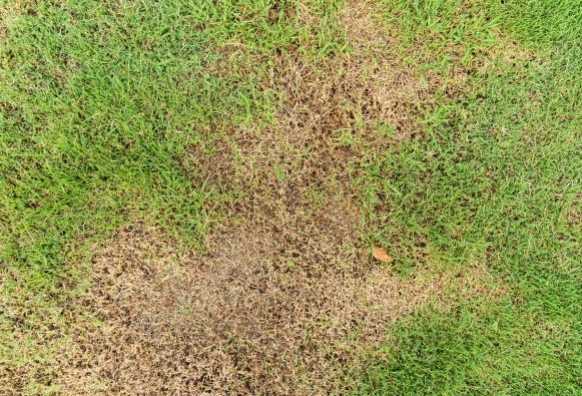
Brown spots in Bermuda grass can be alarming, but understanding their cause is the first step to restoring your lawn’s lushness. These unsightly patches often result from issues like fungal diseases, pests, drought stress, or improper watering, and addressing them promptly can save your grass. A quick diagnosis based on the appearance of the spots and environmental conditions can guide you to the right solution, whether it’s adjusting watering habits, applying fungicides, or overseeding.
In essence, brown spots in Bermuda grass are usually caused by fungal infections, drought stress, or pests. Identifying the specific issue allows for targeted treatment, helping your lawn recover quickly and look vibrant again. Proper lawn care and maintenance are key to preventing future problems and maintaining a healthy, green yard.
When brown spots appear in Bermuda grass, it can be frustrating to see your once-green lawn turn patchy and dull. Typically, these spots are signs of underlying problems such as fungal diseases, insect damage, or environmental stressors like drought or poor soil conditions. Sometimes, over-fertilizing or underwatering can also contribute to the issue. Recognizing the symptoms early—such as the shape and size of the spots, or the presence of mold or insects—can help you take swift action. The good news is that with proper diagnosis and treatment, you can restore your Bermuda grass to its vibrant state. Regular lawn maintenance, including watering, mowing, and fertilizing, is essential to keep these problems at bay and enjoy a beautiful, healthy lawn.

What Are the Brown Spots in My Bermuda Grass?
Introduction to Brown Spots in Bermuda Grass
Bermuda grass is a popular choice for lawns because it remains green and lush during the warmer months. However, many homeowners notice brown patches appearing unexpectedly. These spots can be frustrating and confusing, especially if you’re unsure of their cause. Understanding what causes these brown spots is key to restoring your lawn’s healthy appearance.
Common Causes of Brown Spots in Bermuda Grass
Brown patches in Bermuda grass often appear for various reasons. Recognizing the cause helps determine the right treatment and prevents future issues. Factors include environmental stress, disease, pests, and improper maintenance.
Environmental Stress and Its Effects
Environmental factors are a leading cause of brown spots. Bermuda grass is sensitive to drought, excessive heat, and poor soil conditions. When the grass doesn’t get enough water, it can go dormant, turning brown to conserve moisture. Conversely, overwatering can lead to fungal diseases, causing patches of dead grass.
Poor Soil Drainage and Soil Compaction
Soil that drains poorly traps water around the roots. This lack of oxygen leads to root decay, which appears as brown patches on the surface. Soil compaction from heavy foot traffic or equipment can also restrict root growth, resulting in stressed, brown grass.
Sunburn and Sun Damage
Bermuda grass loves direct sunlight, but intense sun during peak summer can cause sunburn. The grass blades may turn brown or bleached in appearance. This is especially noticeable on newly planted lawns or shaded areas where grass is less adapted to heat.
Disease-Related Causes of Brown Patches
Diseases are a common culprit behind brown spots. Fungal infections, in particular, can quickly spread if not managed promptly.
Dollar Spot Disease
Dollar spot is caused by a fungus and appears as circular brown patches with a reddish or straw-colored border. It thrives in humid, moist conditions and can quickly damage large sections of your lawn.
Brown Patch Disease
This disease results from a fungal pathogen called bipolaris. It causes irregularly shaped brown patches with a darker border. Excessive heat and humidity exacerbate its spread.
Gray Leaf Spot
Gray leaf spot affects the grass blades directly, turning them yellow or brown. It spreads rapidly in moist conditions and overuse of nitrogen fertilizer can promote its growth.
Pest Infestations and Their Impact
Certain pests damage Bermuda grass by feeding on roots and blades, creating brown patches.
Chinch Bugs
Chinch bugs suck sap from grass blades and stems, causing the grass to turn brown and die. They often appear in patches and thrive during hot, dry weather.
Armyworms
These caterpillars chew on grass blades, leaving behind large patches of brown or dead grass. They are most active in late summer and fall.
Grubs
White grubs feed on grass roots, weakening the plant and causing patches of dead, brown turf. They are often found in soil with high organic matter.
Improper Lawn Maintenance and Its Role
Lawn care practices greatly influence the health of Bermuda grass. Over-fertilizing, under-watering, or mowing too short can stress the grass, leading to brown patches.
Overwatering and Under-watering
Too much water can create a breeding ground for fungi, while too little makes the grass drought-stressed. Both conditions result in brown spots.
Mowing Height and Frequency
Cutting Bermuda grass too short weakens the plant and exposes the roots, increasing susceptibility to stress and disease. The ideal mowing height for Bermuda grass typically ranges between 1 to 2 inches.
Fertilizer Application
Incorrect fertilization, whether too much or too little, can cause nutrient imbalances. Excess nitrogen promotes fungal diseases, while deficiencies lead to weak, brown grass.
Identifying Other Contributing Factors
In addition to common causes, other factors may contribute to brown spots.
Dog Urine Damage
Dog urine contains high levels of nitrogen, which can burn grass and leave behind brown patches.
Thatch Buildup
A thick layer of thatch prevents water and nutrients from reaching roots, weakening the grass and causing brown patches.
Chemical Damage
Overuse of herbicides, pesticides, or lawn chemicals can harm Bermuda grass, leading to brown spots or streaks.
How to Prevent Brown Spots in Bermuda Grass
Prevention begins with proper lawn care and environmental awareness.
Watering Practices
Water deeply and infrequently to encourage deep root growth. Water early in the morning to reduce evaporation and fungal growth.
Proper Mowing Techniques
Maintain the mower height at 1 to 2 inches, and avoid cutting more than one-third of the grass height at a time.
Soil Testing and Fertilization
Regular soil testing helps determine nutrient levels and pH. Apply fertilizers based on test results to avoid nutrient imbalances.
Aeration and Thatching
Aerate your lawn annually to reduce soil compaction. Remove excess thatch to improve water and nutrient absorption.
Managing Pests and Diseases
Monitor your lawn regularly for signs of pests and diseases. Apply appropriate treatments promptly to limit damage.
How to Treat Existing Brown Patches
Once brown spots appear, act quickly to diagnose and treat the problem.
Identify the Cause
Observe the patch’s edges, shape, and surrounding conditions. Check for signs of pests, fungal growth, or damage from external factors.
Apply Corrective Measures
– For fungal issues, use fungicides according to label instructions.
– For pests, select specific insecticides or natural remedies.
– Reseed or patch damaged areas with Bermuda grass seed.
Improve Lawn Conditions
Enhance soil drainage, water properly, and manage nutrients to support healthy regrowth.
Brown spots in Bermuda grass are common but often manageable with proper care and attention. Understanding the root causes — whether environmental stress, disease, pests, or maintenance practices — helps you make informed decisions. Regular lawn maintenance, timely treatments, and preventive measures play vital roles in keeping your Bermuda grass healthy and vibrant. By taking these steps, you can enjoy a lush, green lawn free of unsightly brown patches.
Brown Spots and Patches in Bermudagrass
Frequently Asked Questions
Could brown spots in bermuda grass indicate a lack of nutrients?
Yes, brown spots can be a sign that your bermuda grass is missing essential nutrients like nitrogen. When the soil lacks these nutrients, the grass cannot maintain its healthy green color, leading to browning. Conducting a soil test can help identify nutrient deficiencies and guide appropriate fertilization to restore your lawn’s vitality.
Are pests or insects responsible for the brown patches in my bermuda grass?
Pests such as grubs or chinch bugs can damage bermuda grass roots and blades, resulting in brown patches. These insects feed on the grass, weakening its structure and causing discoloration. Proper identification and targeted pest control methods can help eliminate these pests and promote healthy grass recovery.
Could improper watering cause the brown spots on my bermuda grass?
Inconsistent or insufficient watering can stress bermuda grass, leading to brown patches. Overwatering can also drown the roots, causing fungal issues that damage the grass. Maintaining a consistent watering schedule that provides deep, infrequent watering helps keep the roots healthy and prevents brown spots from forming.
Might fungal diseases contribute to the brown areas in my bermuda lawn?
Yes, fungal infections such as dollar spot or brown patch can create irregular brown patches on bermuda grass. These diseases thrive in moist or humid conditions. Applying appropriate fungicides and improving air circulation can help control fungal growth and restore your lawn’s health.
Can physical damage or lawn stress lead to brown spots in bermuda grass?
Physical damage from heavy foot traffic, equipment, or pet activity can tear or stress bermuda grass, leading to brown patches. Environmental stresses like extreme heat or drought also weaken the grass, making it more prone to browning. Limiting foot traffic during stress periods and providing adequate irrigation can help grasses recover more quickly.
Final Thoughts
Palms that appear as brown spots in my Bermuda grass often result from fungal infections, drought stress, or pest damage. Inspecting your lawn regularly helps identify the cause early. Proper watering and lawn care can prevent many issues.
Addressing these factors quickly restores the health of your Bermuda grass. Ultimately, understanding what are the brown spots in my Bermuda grass helps you maintain a lush, green yard. Taking timely action makes a significant difference in lawn appearance and vitality.