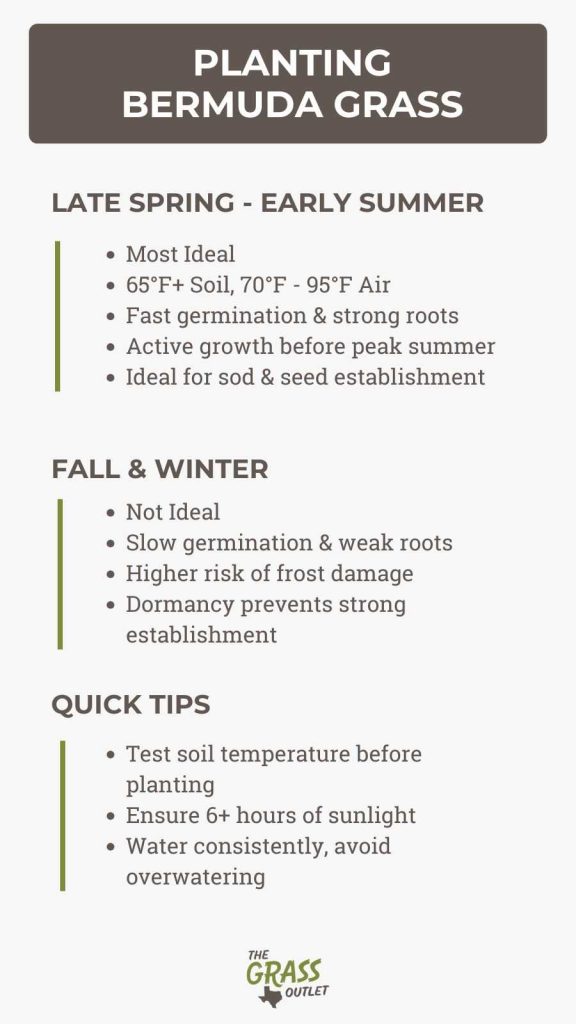
The perfect temperature for Bermuda grass to thrive is between 75°F and 95°F (24°C to 35°C). Keeping your lawn within this range ensures lush, healthy growth and a vibrant green carpet that can withstand foot traffic and harsh weather.
Bermuda grass loves warm weather and grows best when temperatures stay steady within this ideal window. Temperatures below 60°F can slow down its growth, while excessive heat above 100°F may stress the grass, making it more vulnerable to pests and diseases. Knowing the optimal temperature range allows you to better care for and maintain a beautiful Bermuda lawn throughout the season.
Bermuda grass is a popular choice for warm climates due to its durability and vibrant appearance. Understanding the ideal temperature range is essential for proper management, ensuring healthy growth, and preventing common problems like patchiness or slow recovery. Whether you’re planting new Bermuda or maintaining an existing one, keeping the environment within the right temperature window will help you achieve a lush, green, and resilient lawn all year round.

Best Temperature for Bermuda Grass
Bermuda grass is a popular turfgrass known for its durability and lush green appearance. Understanding the ideal temperature range helps keep it healthy and vibrant throughout the year. The temperature directly impacts Bermuda grass’s growth rate, color, and overall health. Let’s explore what the perfect temperatures are for growing and maintaining Bermuda grass successfully.
Optimal Temperature Range for Bermuda Grass Growth
The best temperature for Bermuda grass ranges between 75°F and 95°F (24°C to 35°C). During this range, the grass experiences its fastest and most vigorous growth. When temperatures stay within this zone, Bermuda grass develops a dense, lush, and resilient turf.
Growth slows down significantly when temperatures fall below 60°F (15°C) or rise above 100°F (38°C). Cold weather causes dormancy, while extreme heat stresses the grass, making it more susceptible to disease and damage. Maintaining temperatures within the optimal zone ensures a healthy, vibrant lawn.
Spring and Summer: Prime Growing Seasons
During late spring and summer, temperatures often stay within the ideal range for Bermuda grass. This period is perfect for establishing or overseeding Bermuda lawns. Consistent warmth encourages rapid root development and lush foliage.
Daytime temperatures in the 80s and 90s Fahrenheit (around 27°C to 35°C) promote optimal growth. Nighttime temperatures above 65°F (18°C) also support healthy development. Regular watering combines with these temperatures to keep the turf thriving.
Fall and Winter: Dormancy and Cold Stress
As temperatures fall below 60°F (15°C), Bermuda grass begins to enter dormancy. It stops actively growing and turns brown, especially in colder regions. During this time, the grass conserves energy until spring returns.
In regions with colder winters, Bermuda grass can die back entirely or become dormant. However, in warmer climates where winter temperatures stay above 60°F (15°C), the grass remains semi-active and retains some green color.
How Temperature Affects Bermuda Grass Health
Temperature influences Bermuda grass in several ways, including growth rate, color, and disease susceptibility. Understanding these effects helps in managing lawn care effectively.
Growth Rate and Color
Within the optimal temperature range, Bermuda grass grows quickly, filling in bare patches and creating a dense turf. It maintains a deep green color, which is desirable for aesthetic appeal.
If temperatures are too low, growth slows drastically, and the grass may turn brown. Excessively high temperatures can cause the grass to go into stress, yellow, or develop brown patches.
Stress and Disease Susceptibility
High temperatures above 100°F (38°C) combined with low humidity can stress Bermuda grass, making it prone to pests and diseases like brown patch or dollar spot. Conversely, cold temperatures can cause winterkill in colder climates.
Proper management, such as watering correctly and avoiding over-fertilization during stressful periods, can help mitigate these risks. Knowing the temperature’s role allows homeowners to adjust their lawn care practices proactively.
Seasonal Changes and Temperature Impact
Seasonal shifts greatly influence Bermuda grass’s appearance and growth. Recognizing these changes helps plan appropriate maintenance routines.
Spring Transition
As temperatures rise above 65°F (18°C), Bermuda grass awakens from dormancy. This period involves rapid greening and growth. Fertilizing early in spring encourages lush recovery.
Summer Maintenance
During summer months, maintaining proper watering is essential as high temperatures can lead to dehydration. Mulching and aeration improve soil conditions and moisture retention.
Fall Dormancy
Cooling temperatures trigger dormancy in Bermuda grass. Reduce mowing height and watering to prepare for winter. Avoid fertilizing too late to prevent unwanted growth before dormancy.
Winter Dormancy and Survival Strategies
In colder climates, Bermuda grass may die back in winter. To protect it, apply a winterizer fertilizer before cold weather arrives. In warm regions, minimal care is needed as the grass remains semi-active.
Related Topics: Adjusting Care Based on Temperature
Watering and Temperature
- Hot weather: Water deeply early in the morning to prevent drought stress.
- Cooler temperatures: Reduce watering frequency to prevent overwatering and root rot.
Fertilization Timing
Apply fertilizer when temperatures are within the optimal range to maximize uptake. Avoid late-season fertilization that encourages new growth before dormancy.
Shade and Temperature Management
In extremely hot environments, providing shade during the hottest part of the day can prevent heat stress. Use shade cloths or strategic planting to protect your Bermuda grass.
Air Circulation and Heat
Proper aeration enhances air flow around the grass, aiding in cooling during high-temperature days. This practice reduces heat buildup and fungal diseases.
Temperature Charts and Data Tables
| Temperature Range (°F) | Growth Activity | Recommended Actions |
|---|---|---|
| Below 60°F | Slow growth, dormancy begins | Limit fertilization, avoid heavy watering |
| 60°F to 75°F | Gradual increase in growth, color fading | Resume regular watering and fertilization |
| 75°F to 95°F | Optimal growth, lush green color | Maintain watering, mow regularly |
| 95°F to 100°F | Sustained growth but stress risk | Increase watering, provide shade if possible |
| Above 100°F | Heat stress, potential damage | Reduce activity, protect from excessive sun |
Getting the temperature right is crucial for maintaining a healthy Bermuda grass lawn. Staying within the optimal temperature range of 75°F to 95°F encourages vigorous growth and vibrant color. By understanding how seasonal and daily temperatures impact Bermuda grass, you can adjust your lawn care practices accordingly. Proper watering, fertilization, and protection against temperature extremes help promote a resilient, beautiful turf that lasts throughout the seasons.
Bermuda Lawn Care – 5 Basics – For A Nice Green Lawn – Beginners Start Here!
Frequently Asked Questions
What temperature range is ideal for bermuda grass growth?
Bermuda grass thrives best when daytime temperatures range from 75°F to 95°F (24°C to 35°C). These temperatures promote active growth and help the grass establish a healthy, dense turf. Cooler temperatures can slow growth, while excessively hot weather may cause stress or dormancy.
How does temperature affect bermuda grass dormancy?
Temperatures below 60°F (15°C) often cause bermuda grass to become dormant, especially during early spring and fall. This dormancy helps the grass conserve energy during colder months. When temperatures rise above 85°F (29°C), the grass remains active, but prolonged heat can lead to stress or dehydration if not properly managed.
What are the signs that bermuda grass is experiencing temperature-related stress?
If bermuda grass shows signs of wilting, discoloration, or thinning during high temperatures, it may be suffering from heat stress. Conversely, slow growth or a dull appearance in cooler weather suggests the grass isn’t receiving optimal warmth. Proper watering and shade during extreme conditions can help mitigate these issues.
Can bermuda grass adapt to temperature fluctuations?
Yes, bermuda grass has some adaptability to temperature changes, but extreme or prolonged deviations from its preferred range can hinder growth and health. Providing adequate water, adjusting mowing height, and aerating the soil can help bermuda grass handle temperature variations more effectively.
What strategies can keep bermuda grass healthy during temperature extremes?
To maintain bermuda grass health, apply regular watering during hot weather to prevent dehydration, and reduce mowing height during the peak growing season to promote vigorous growth. In cooler months, avoid excessive fertilization and limit foot traffic to protect the grass until temperatures stabilize around its preferred range.
Final Thoughts
The best temperature for Bermuda grass lies between 75°F and 85°F during the day. This range promotes healthy growth and a lush, green appearance. Cooler temperatures slow growth, while excessive heat can stress the grass.
Maintaining these optimal temperatures encourages deep root development and resilience. Proper watering and care further support Bermuda grass thriving within this temperature zone.
In conclusion, understanding the best temperature for Bermuda grass helps ensure a vibrant lawn. Staying within this range supports its health and appearance, making your outdoor space inviting.