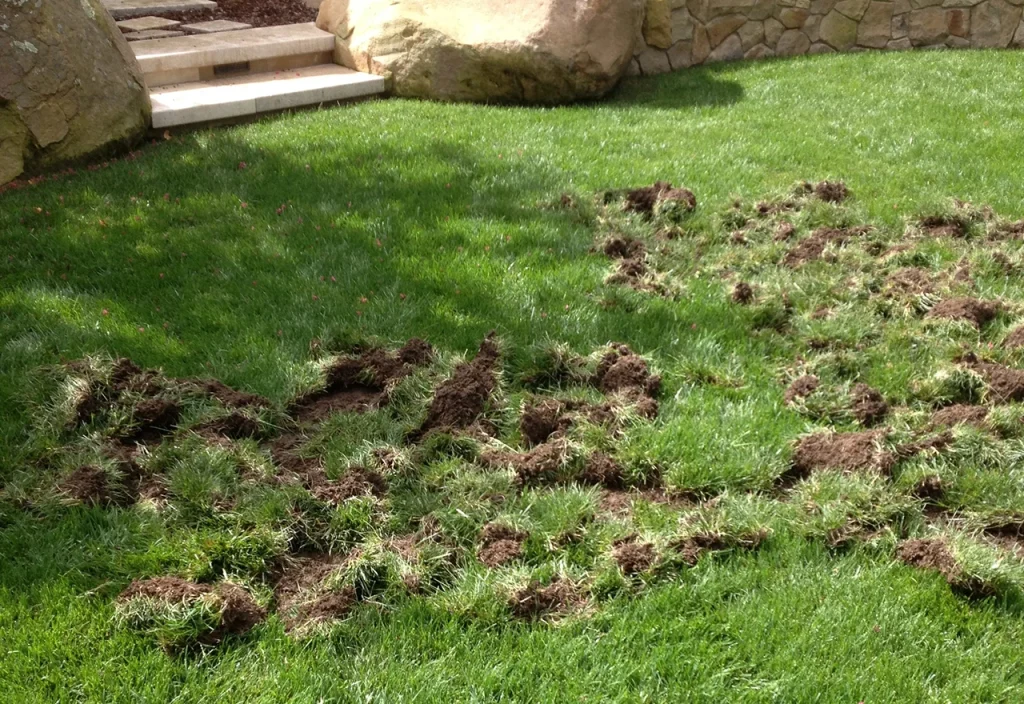
If you've woken up to find your lawn looking like a battlefield, you're not alone. Knowing how to stop animals from digging for grubs starts with understanding what's actually going on beneath the grass. Those rolled-back patches of turf and scattered holes aren't random vandalism.
They're animals following a food source.
Research from university extension programs shows that a healthy lawn can tolerate up to 10 grubs per square foot without significant damage. Beyond that threshold, animals like raccoons and skunks will tear up your turf to get to them. Let's walk through the process of figuring out what's happening in your yard and how to fix it for good.
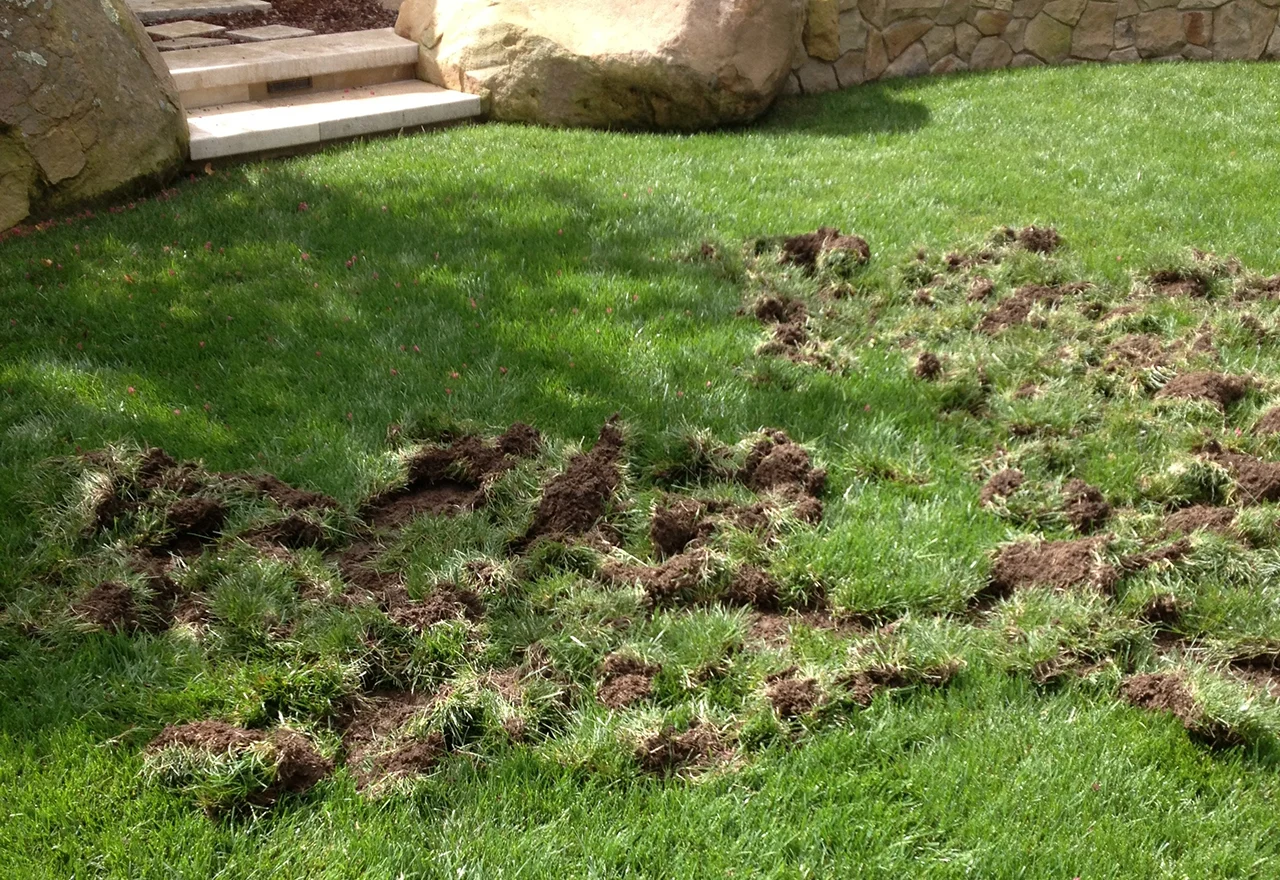
Image source: Bing (Web (fair-use with source credit))
Problem / Pain Point: Why Animals Are Tearing Up Your Lawn (And Why It Keeps Happening)
The first thing to understand is that animals don't dig up your lawn for fun or out of spite. They dig because there's something tasty living in the soil. In most cases, that something is grubs, the larvae of beetles like Japanese beetles, June bugs, and European chafers.
Here's the frustrating part. You can scare the animals away one night, and they'll be back the next. You can patch the holes, and they'll open new ones.
You can try every repellent on the shelf, and they'll keep coming. That's because you're only treating the symptom, not the cause. As long as the food source stays in the ground, the digging won't stop.
Most homeowners fall into one of two traps. They either assume any animal damage means grubs are present (which isn't always true), or they reach for a chemical grub killer without checking if they actually have a grub problem. Both approaches waste money and rarely solve the issue long-term.
The real fix requires a logical sequence. Confirm what's in the soil. Identify who's digging.
Treat the problem at the right time. Then keep the animals out while the lawn recovers. That's the approach we'll use here.
Quick Answer / Key Insight: A Three-Step Decision Tree for Stopping Lawn Digging
Stop animals from digging by removing their food source and blocking access. First, confirm grubs are present with a simple soil test. Second, identify the animal by the damage pattern.
Third, apply the right treatment at the right time of year.
That's the whole framework in a nutshell. But each step has several branches depending on your specific situation. The wrong choice at any fork can waste weeks of effort and leave your lawn looking worse than before.
The decision tree works like this:
- If grubs are present and it's late summer or early fall → use beneficial nematodes or milky spore
- If grubs are present but it's spring → wait until late summer for treatment; focus on exclusion now
- If no grubs are found → look for other food sources like earthworms or insects
- If animals keep coming after grubs are gone → use physical exclusion (fencing or motion sprinklers)
Each branch has its own timing, tools, and expected outcomes. We'll cover every one in detail in the sections below.
Step 1: Confirm Grubs Are the Real Problem — The 1-Square-Foot Test
Before you spend a dime on grub control, you need to know whether grubs are actually there. Guessing leads to wasted product, unnecessary chemical use, and continued lawn damage. The good news is that confirming grubs takes about five minutes and costs nothing.
Here's how to do the test:
- Grab a shovel or a spade. A sharp square-edged shovel works best.
- Cut a patch of turf about one foot square and two to three inches deep. Think of it like lifting a slice of sod.
- Peel back the turf like a rug and flip it over so the soil side faces up.
- Count the grubs you see in that one square foot area. Look for white, C-shaped larvae with brown heads and three pairs of legs near the front.

Image source: Web (Bing) / ngturf.com (Web image (fair-use with source credit))
University extension programs recommend action when you find 10 or more grubs per square foot in cool-season grasses, or 5 to 8 per square foot in warm-season lawns. Below those numbers, the lawn can usually handle the grub population without visible damage. The animals might still find them, but treatment is often unnecessary.
Do this test in at least three different spots around your yard. Grubs aren't spread evenly. You might find heavy concentrations near the edges of the lawn or in areas that stay moist.
A single test patch doesn't tell the whole story.
If you find zero grubs after checking several spots, the digging is probably not grub-related. The animals might be after earthworms (especially after rain), crane fly larvae, or even just moisture in the soil. Skip the grub treatments entirely and focus on exclusion and deterrents.
Step 2: Identify Which Animal Is Digging — Raccoon, Skunk, Armadillo, or Bird
Once you know whether grubs are present, the next step is identifying the digger. Different animals leave different damage patterns, and the right solution depends on which one you're dealing with. Here's what to look for.
Raccoons are the most common culprit in suburban areas. They pull back large sections of turf like a carpet, leaving the grass flipped over with the roots exposed. Raccoon damage tends to look messy and widespread.
You'll often see multiple patches across the lawn in a single night. They're strong, persistent, and smart enough to ignore most repellents after a few days.
Skunks dig smaller, more conical holes that look like someone pushed a cone-shaped object into the soil. Skunks are after grubs and beetle larvae, but they dig shallowly compared to raccoons. Their damage often appears as a series of small holes across a patch of lawn rather than rolled-back turf.
Skunks are also less likely to climb over fences, which makes exclusion more effective.
Armadillos are the primary problem in the southern United States. They root through the soil with their snouts, creating deep, narrow holes that look like someone poked a broom handle into the ground every few inches. Armadillo damage often follows a straight line across the lawn.
They're also known for digging near foundations and garden beds.
Birds like crows and robins leave small puncture marks in the soil where they've pecked at the surface. Bird damage rarely destroys the lawn, but it can be a sign that grubs are present near the surface. Birds are easier to deter since they're more sensitive to visual threats.
Opossums and wild pigs are less common but worth mentioning. Opossums leave scattered shallow scrapes. Wild pigs can cause devastating damage, tearing up large areas of turf and soil in a single visit.
If pigs are the culprit, fencing becomes your only practical option.
The table below summarizes the key differences:
| Animal | Damage Pattern | Typical Season | Ease of Deterrence |
|---|---|---|---|
| Raccoon | Large rolled-back turf patches | Late summer, fall | Difficult |
| Skunk | Small conical holes | Spring, fall | Moderate |
| Armadillo | Deep narrow holes in lines | Year-round (south) | Moderate |
| Birds | Small peck marks on surface | Spring, fall | Easy |
Take a close look at your lawn in the morning before anything has been disturbed. Fresh damage tells you which animal visited the night before. The signs are usually clear once you know what to look for.
How the Grub Lifecycle Affects Your Timing (And Why It Matters More Than You Think)
Timing is the factor that trips up most homeowners. Apply grub treatment at the wrong time and it either won't work or it'll be wasted. The grub lifecycle dictates when treatments are effective, and ignoring it is the number one reason people fail to stop the digging.
White grubs go through a predictable annual cycle. Adult beetles lay eggs in the soil during mid to late summer, usually July and August depending on your region. The eggs hatch into tiny larvae that begin feeding on grass roots almost immediately.
This is the stage where grubs do the most damage to your lawn and attract the most animal attention.
By late fall, the grubs have grown large enough to be a substantial food source. They tunnel deeper into the soil to overwinter. In spring, they move back up toward the surface to feed briefly before pupating into adult beetles.
That spring window is when skunks often dig, because the grubs are active and close to the surface again.
Here's how timing affects your treatment options:
- Late summer (August to early September) is the ideal window for preventative treatments. This is when newly hatched grubs are small and most vulnerable. Nematodes and milky spore work best at this time.
- Early fall (September to October) is the best time for curative treatments if you already have a grub problem. Grubs are actively feeding near the surface and easy to target.
- Spring (March to May) is a poor time for grub control. The grubs are either pupating (turning into beetles) or too deep in the soil for treatments to reach them effectively. Focus on exclusion and lawn repair instead.
- Summer (June to July) is the egg-laying window. Treatments applied now are preventative, targeting the eggs and newly hatched larvae before they cause damage.
Soil temperature is a more reliable guide than calendar dates. Beneficial nematodes, for example, require soil temperatures above 50°F (10°C) to remain active. Milky spore needs warm soil to spread effectively.
A simple soil thermometer from any garden center gives you the accurate reading you need.
The bottom line is simple. Apply treatments during the active feeding window in late summer and early fall. Use spring and early summer for monitoring, exclusion, and lawn repair.
Trying to fight grubs in the off-season is like weeding a garden in winter, it feels productive, but nothing is growing.
Step 3: Treat the Grubs — Your Options by Situation
Once you've confirmed grubs and identified your timing window, it's time to choose a treatment. The right option depends on your patience, your tolerance for chemicals, and the season. Here's what each approach looks like in practice.
If You Want a Long-Term Biological Fix: Milky Spore
Milky spore is a bacterium that specifically targets Japanese beetle grubs. You apply it once, and it can remain active in the soil for 10 years or more. The bacteria multiply inside the grubs and release more spores when the grubs die, creating a self-sustaining cycle.
Here's the catch. It only works on Japanese beetle grubs. If your grubs are from June bugs or European chafers, milky spore does nothing.
You need to identify your grub species first. University extension offices can help with identification if you're unsure.
Milky spore also takes time. It needs one to three years to build up to effective levels in the soil. It works best when applied in late summer or early fall, and it requires consistent soil moisture to spread.
If you need immediate results, this isn't your option.
If You Want Quick Results Now: Beneficial Nematodes
Beneficial nematodes are microscopic worms that parasitize and kill grubs within a few days. They're completely safe for pets, children, and beneficial insects. They're the fastest biological option available.
Application matters a lot with nematodes. They need to be refrigerated until use, applied when soil temperatures are above 50°F, and watered in immediately. Direct sunlight kills them within minutes.
Apply them in the evening or on a cloudy day for the best survival rate.
A single application covers about 2,000 square feet for roughly $15 to $30. You'll need to reapply annually since nematodes don't persist in the soil. But for immediate grub control, they're the biological gold standard.
If You Need a Chemical Option (And When to Avoid It)
Chemical grub killers (like imidacloprid or carbaryl) work fast and can knock down a heavy infestation in days. They're the nuclear option, and they come with trade-offs.
The downsides are real. Chemical insecticides also kill earthworms and beneficial soil organisms. Earthworms are a food source for some animals, so killing them can actually make the digging worse long-term.
Chemical treatments also need precise timing. Apply too early or too late and you waste the product.
If you choose chemicals, follow the label instructions exactly. The EPA regulates these products for a reason. Overapplication harms pollinators and can contaminate groundwater.
In our research, the safest approach is to reserve chemicals for severe infestations where biological controls have failed.
Step 4: Keep the Animal Out Without Harming It — Exclusion and Repellents
Treating grubs removes the food source, but it doesn't stop animals from visiting while the treatment takes effect. Exclusion bridges that gap. It keeps your yard intact while the grub population drops.
Fencing That Actually Works for Raccoons and Skunks
Raccoons are excellent climbers, so standard garden fencing won't stop them. You need a fence at least three feet tall with an outward-facing top section that flops over. This prevents them from getting a grip to climb over.
For skunks, a simple 2-foot fence buried 6 inches into the ground works well. Skunks are diggers but poor climbers. The shallow buried barrier stops them from tunneling underneath.
Chicken wire is the most cost-effective material for both applications.
Temporary fencing around small areas works too. If the damage is concentrated in one section of the lawn, fence that spot off for a few weeks while the grub treatment takes effect. It's not a permanent solution, but it buys you time.
Motion-Activated Sprinklers vs. Sound Devices
Motion-activated sprinklers are the most effective non-physical deterrent we've seen in aggregate user feedback. They deliver a sudden burst of water that startles the animal and conditions it to avoid the area. Most animals learn to stay away after two or three encounters.
Sound devices (ultrasonic repellents) have mixed results. Some animals habituate quickly and ignore the noise after a few days. Others are never bothered by it.
Our research suggests sprinklers are significantly more reliable than sound-based options.
The downside with sprinklers is that they also water your lawn. That can be a benefit if the area needs moisture. But in rainy seasons, it can create soggy spots.
Adjust the sensor sensitivity to avoid false triggers from wind or falling leaves.
Predator Urine and Other Smelly Repellents (Do They Work?)
Predator urine (coyote, fox, or wolf) is a common suggestion you'll see online. The idea is that it scares prey animals into avoiding your yard. In practice, the results are inconsistent.
Rain washes it away quickly. Animals habituate to the scent after repeated exposure. And it smells terrible while it's active.
Castor oil-based repellents perform better in our research. They make the soil taste and smell unpleasant without causing harm. They're biodegradable and safe for pets.
The main drawback is that they need reapplication after rain, sometimes weekly.
Capsaicin sprays (from hot peppers) can deter mammals but may irritate pets and children. They're not recommended if you have dogs or kids playing on the lawn regularly. A better approach is to skip the sprays and invest in physical barriers.
Step 5: Repair Your Lawn After the Digging Stops
Once the grubs are gone and the animals have moved on, your lawn needs help recovering. The damage from rolled-back turf and dug-up soil leaves bare patches that weeds will colonize quickly if you don't act.
Start by gently rolling back any flipped turf that's still alive. If the roots are still attached to soil, press it back into place and water it deeply. It may re-establish.
If the turf is dried out or dead, remove it and prepare the soil for reseeding.
Loosen the soil in bare patches with a rake. Add a thin layer of compost or topsoil. Spread grass seed that matches your existing lawn type.
Keep the area consistently moist for two to three weeks until the new grass establishes.
Overseed the entire lawn lightly in the fall or spring to thicken the turf. A dense, healthy lawn is more resilient to grub damage and animal digging. Regular lawn maintenance, including proper mowing height and deep watering, reduces stress on the grass and makes it harder for grubs to thrive.
Mistakes That Make Things Worse (Or Waste Your Money)
The most common mistake is applying grub killer without confirming grubs are present. This wastes money, introduces unnecessary chemicals, and does nothing about the animal digging. Always test first.
The second mistake is ignoring timing. Applying nematodes in spring when soil is too cold kills them before they can work. Applying milky spore in dry soil prevents it from spreading.
Calendar dates vary by region, so use soil temperature as your guide.
The third mistake is using chemicals when animals are after earthworms, not grubs. Some animals dig for earthworm castings, especially after rain. Killing earthworms with insecticides removes a beneficial organism and can make the digging worse as animals search harder.
The fourth mistake is trapping and relocating animals without checking local laws. In many areas, it's illegal to trap and relocate raccoons, skunks, or armadillos without a permit. Relocated animals often die in unfamiliar territory.
Check your local wildlife regulations before attempting removal.
Quick Decision Guide: A Simple Flowchart for Your Situation
Here's a condensed version of the decision tree we've built through this article.
- Are there grubs? Test three spots. If fewer than 10 per square foot (or 5 for warm-season grass), skip grub treatment. Focus on exclusion and deterrents.
- Is it late summer or early fall? Apply nematodes or milky spore. Nematodes for fast results. Milky spore for a long-term fix if you have Japanese beetles.
- Is it spring or early summer? Don't treat grubs now. Use fencing or motion sprinklers to stop animals. Repair damaged turf. Wait until August for treatment.
- Are animals still digging after grubs are gone? Look for another food source like earthworms or insects. Use exclusion to keep animals out. Consider consulting a local extension office for help identifying what's in your soil.
If you follow this sequence, you'll stop the digging at its source instead of fighting a nightly battle that never ends.
Frequently Asked Questions
How long does it take for nematodes to kill grubs?
Beneficial nematodes start infecting grubs within 24 to 48 hours. You'll see reduced animal activity within a week. Full grub control takes about two weeks under ideal soil conditions.
Can I use milky spore and nematodes together?
Yes. They target different grub species and work at different depths. Apply milky spore in late summer for long-term control.
Use nematodes as a spot treatment if you need faster results.
Will grubs eventually go away on their own?
No. A heavy infestation will persist year after year without treatment. Adult beetles lay eggs in the same lawn each summer.
The grub population grows until natural predators or treatments knock it down.
What attracts animals to dig in my lawn besides grubs?
Earthworms, crane fly larvae, and moist soil are common attractants. Animals also dig for acorns, fallen fruit, or buried pet waste. If your soil test shows no grubs, focus on removing other food sources.
Is it safe to use chemical grub killers near vegetable gardens?
Check the product label for specific restrictions. Most chemical grub killers recommend keeping treated areas away from edible plants for a set period. Beneficial nematodes are a safer alternative near food crops.
Final Takeaway: What to Do This Week Based on Your Season and Animal
Start with the one-square-foot test. If you find more than 10 grubs per square foot in late summer or early fall, apply nematodes or milky spore. If the season is wrong for treatment, use fencing or motion sprinklers to protect your lawn until the right window opens.
If you find no grubs, skip the treatments and focus on exclusion. Identify the animal by the damage pattern and choose a deterrent that matches its behavior. Repair bare patches promptly to prevent weeds from taking over.
The digging stops when the food source disappears. Work the problem in order: test, identify, treat, exclude, repair. That sequence solves the issue at the root rather than chasing animals night after night.