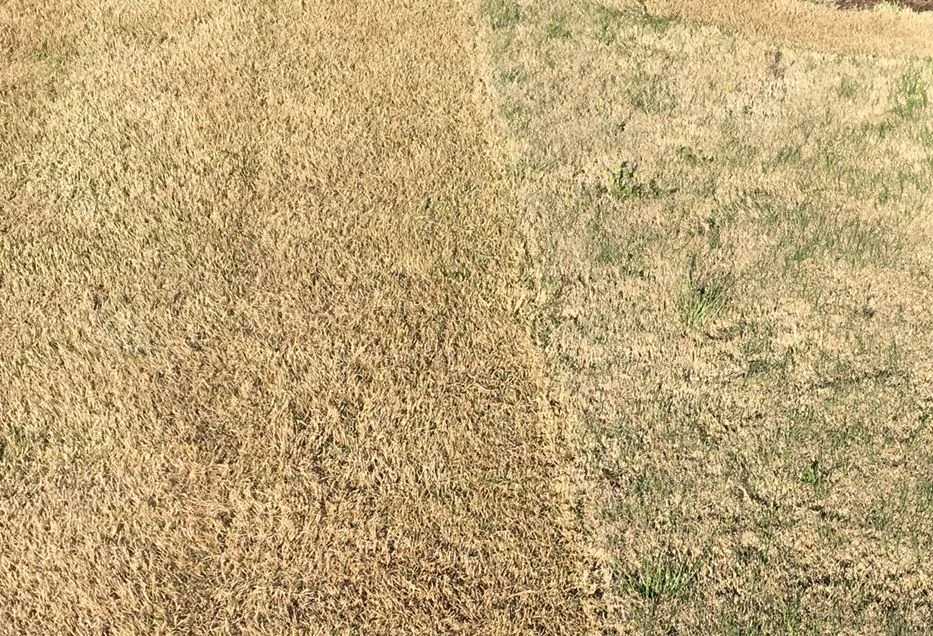
To effectively scalp Bermuda grass, start by mowing it very low, just above the soil surface, to remove thatch and promote healthy new growth. Keep your mower blades sharp for a clean cut and avoid removing more than one-third of the grass height at a time. Aerate the soil afterward to improve airflow and water penetration, then follow up with fertilization to encourage lush recovery.
Scalping Bermuda grass might sound harsh, but it’s a vital step to revitalize tired lawns, control weeds, and promote dense, healthy growth. Doing it correctly can help your lawn bounce back quickly and stay vibrant throughout the season. In this guide, we’ll explore how to scalp Bermuda grass safely and effectively, ensuring your yard remains lush and green. Whether you’re preparing for winter or just giving your lawn a fresh start, understanding the right techniques can make all the difference.

How to Scalp Bermuda Grass: A Complete Guide
Scalping Bermuda grass is an essential part of maintaining a healthy, lush lawn. It involves cutting the grass very short to remove dead or uneven layers and promote new growth. Proper scalping helps prevent pests and disease and keeps your Bermuda grass looking vibrant and even.
What Is Bermuda Grass Scalping?
Bermuda grass scalping is a mowing technique where you cut the grass blades very close to the ground, usually to about half an inch or less. This process removes excess thatch and old growth, encouraging fresh, dense turf.
It’s often done before overseeding or during the early growing season to stimulate new, vigorous growth. Scalping also helps identify areas needing repair or additional treatment.
Why is Scalping Bermuda Grass Important?
Scalping serves multiple benefits for Bermuda grass lawns. It improves air circulation within the turf, reducing the risk of fungal infection. It awakens the grass roots, encouraging them to grow stronger and deeper.
Additionally, scalping helps eliminate weed seeds and debris, making the lawn less hospitable to unwanted plants. Proper scalping can lead to a thicker, greener, and more resilient turf overall.
When to Scal Certain Bermuda Grass
Best Timing for Scalping
The ideal time to scalp Bermuda grass depends on your climate but generally falls during early spring or late winter when the grass begins to recover from dormancy. Avoid scalping during extreme heat or cold days.
Perform scalping before overseeding or fertilizing to maximize the benefits. Spring scalping helps promote rapid green-up and lush growth during the active season.
Signs That It’s Time to Scal
- The lawn appears uneven or has a lot of dead or brown patches.
- Thatch layer exceeds half an inch in thickness.
- Grass growth has slowed down, indicating the need for revitalization.
Tools Needed for Scalping Bermuda Grass
Having the right tools makes the scalping process easier and more effective. Here are the most common equipment used:
- Reel mower or rotary mower: A sharp mower equipped with a high cut setting is essential.
- Blades or knives: Ensure they are sharp to achieve a clean cut without tearing the grass.
- Garden rake or thatch rake: Used for removing debris and thatch after mowing.
- String trimmer or edger: To trim around edges for a tidy appearance.
Step-by-Step Guide to Scalping Bermuda Grass
Preparing Your Lawn
Begin by mowing the grass to a height of about 1.5 inches. This reduces the amount of grass that needs to be cut during scalping and prevents damaging the turf.
Clear the lawn of debris, sticks, and leaves to avoid obstructions and ensure a clean cut.
Adjusting the Mower
Set your mower blades to the lowest setting possible, typically around half an inch or less. Double-check that the blades are sharp to avoid tearing the grass.
If your mower features adjustable blades, lower them gradually to the desired cutting height for a precise scalping process.
Performing the Scalping Cut
Start mowing in straight lines across your lawn, overlapping each pass slightly to ensure even coverage.
Follow the same pattern in reverse, mowing perpendicular to the first set of lines for uniform results.
Be cautious around edges, flower beds, or trees—use a string trimmer or edger for these areas if needed.
Post-Scalping Lawn Care
After scalping, immediately rake the lawn to remove dead grass, debris, and thatch buildup. This helps improve airflow and prepares the soil for new growth.
If necessary, apply a light fertilizer to give Bermuda grass an extra boost during recovery.
Water the lawn thoroughly to keep the soil moist, aiding in faster recovery and encouraging healthy root growth.
Tips for Effective Bermuda Grass Scalping
- Always mow with sharp blades to avoid tearing turf and causing stress.
- Don’t scalp during drought conditions to prevent additional stress on the grass.
- Maintain consistent mowing height throughout the season after scalping to promote uniform growth.
- Follow scalping with aeration if your soil is compacted to improve water and nutrient absorption.
Common Mistakes to Avoid
- Scalping during extreme weather—hot, cold, or drought conditions can damage the turf.
- Using dull blades—this can tear the grass instead of cutting it cleanly, leading to stress and disease.
- Over-scaling—removing too much grass at once can weaken the lawn and delay recovery.
- Ignoring debris—leaving dead grass and debris can hinder healthy regrowth and invite pests.
Additional Maintenance Tips for Bermuda Grass
- Regular mowing at a height of 1.5 to 2 inches helps prevent thatch buildup.
- Aerate the lawn yearly to reduce soil compaction and increase root penetration.
- Apply appropriate fertilizers during the growing season to nurture healthy, dense turf.
- Manage pests and weeds promptly to maintain a pristine lawn.
Related Topics for Better Lawn Care
- How to Control Thatch in Bermuda Grass
- Best Fertilizers for Bermuda Grass
- Proper Watering Techniques for Bermuda Lawns
- How to Overseed Bermuda Grass for a Thicker Lawn
Get your Bermuda grass under control! Scalp & maintain. Trust the process ⛳️ #bermuda #lawn #diy
Frequently Asked Questions
What is the best time of year to scalp bermuda grass?
The optimal time to scalp bermuda grass is during the late spring to early summer when the grass is actively growing. During this period, the grass recovers quickly and benefits from the thinning process. Avoid scalping during the cooler months or when the grass is stressed, as it may struggle to recover and could be damaged.
How should I prepare my bermuda grass before scalping?
Before scalping, mow the grass to remove any dead or excess grass blades. Clear away debris, leaves, and any thatch buildup to ensure an even cut. Water the lawn thoroughly the day before to keep the soil moist, which helps the grass recover faster and prevents stressing the roots during the process.
What equipment do I need to effectively scalp bermuda grass?
You should use a sharp mower with a reel or rotary blade set to a very low height. An adjustable mower allows precise control over the cutting height, typically around 0.5 to 1 inch. Having a rake or broom on hand helps to clear away clippings afterward. Make sure the mower blades are sharp to achieve a clean cut and avoid tearing the grass.
How can I ensure the grass recovers quickly after scalping?
Water the lawn deeply immediately after scalping to help the grass heal. Apply a nitrogen-rich fertilizer to encourage rapid growth and recovery. Keep foot traffic off the lawn and avoid mowing again until the grass has fully recovered, usually within a couple of weeks. Maintain proper watering and mowing practices to promote healthy regrowth.
Final Thoughts
To scalp bermuda grass, start by mowing the lawn at a lower height than usual. Remove no more than one-third of the grass height to avoid stressing the turf. Use sharp mower blades for a clean cut and even results.
Clear away debris and loosen the soil if necessary to promote healthy regrowth. Regular scalping helps control thatch and promotes denser growth. Stay consistent with your mowing schedule to maintain a healthy lawn.
In conclusion, how to scalp bermuda grass involves careful mowing and proper lawn maintenance. This technique encourages thick, healthy turf and enhances overall lawn appearance.