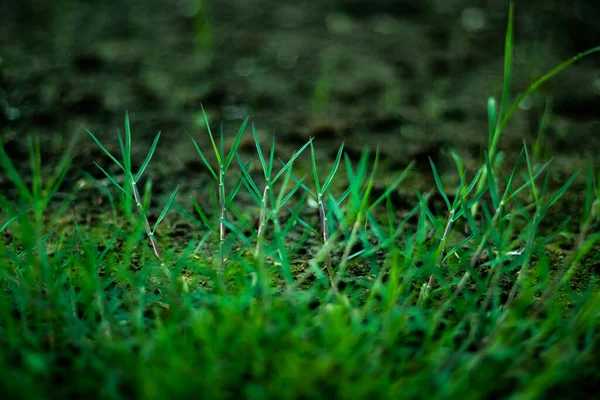
The ideal time to plant Bermuda grass seed in Georgia is during late spring to early summer, when soil temperatures are warm and conditions are just right for germination. Planting at this time ensures your grass establishes quickly and thrives throughout the hot Georgia summers. For best results, aim for planting between late April and June, depending on local weather patterns.
In summary, the best time to plant Bermuda grass seed in Georgia is from late April to early June, when soil temperatures are consistently warm. Timing your planting during this window helps your Bermuda grass grow strong and healthy, providing a lush, green lawn all season long.
Getting your Bermuda grass off to a great start depends on choosing the right moment. Georgia’s climate offers a perfect window for planting in late spring when the weather begins to warm up. Early summer is also suitable, as the soil remains warm enough to encourage rapid germination. Planting too early in cooler months risks poor germination, while waiting too long might hinder the grass’s ability to establish before the peak heat of summer. By understanding Georgia’s seasonal climate patterns, homeowners can maximize their chances of a vibrant, durable lawn that thrives all year round.

Best Time to Plant Bermuda Grass Seed in Georgia
Knowing the right time to plant Bermuda grass seed in Georgia is key to getting a lush, green lawn. The climate and seasons in Georgia greatly influence when the seeds will grow best. By planting at the correct time, your grass will establish quickly and stay healthy throughout the year.
Understanding Georgia’s Climate for Bermuda Grass
Georgia experiences a warm, humid climate with hot summers and mild winters. These conditions are ideal for Bermuda grass, which thrives in temperatures between 75°F and 95°F. Therefore, timing your planting to match these temperature ranges is essential for successful growth.
Best Seasons for Planting Bermuda Grass
Spring Planting in Georgia
Spring is one of the best times to plant Bermuda grass seed in Georgia. As the soil warms up to around 65°F to 70°F, Bermuda grass seeds will germinate efficiently. Typically, late March through early June provides optimal planting windows in most parts of Georgia.
Summer Planting Considerations
Although summer might seem like a good time to plant, it can be challenging. High temperatures and dry conditions can stress new grass seedlings. If planting in summer, ensure adequate watering and choose early summer for seeding to avoid the hottest months.
Fall Planting in Georgia
Fall planting is also possible, especially in southern Georgia where temperatures stay mild longer. Early fall, from September to mid-October, allows Bermuda grass to establish before the winter. However, growth slows as temperatures decline, so timing is critical.
Temperature and Soil Conditions for Optimal Germination
Bermuda grass seeds germinate best when soil temperatures are between 65°F and 70°F. It’s vital to monitor local weather forecasts and soil temperature sensors to identify the ideal planting window. Soil should be well-drained, fertile, and slightly moist to promote quick establishment.
Timing Based on Soil Preparation
Preparing your lawn before planting involves tilling and leveling the soil. This process is most effective when soil temperatures are rising in spring or early summer. Proper soil prep ensures good seed-to-soil contact, which is essential for rapid germination.
Navigating Seasonal Challenges in Georgia
Rainfall and Watering Needs
Georgia receives ample rainfall, especially in spring. Use this to your advantage by planting when natural rainfall is consistent. However, during dry spells or drought conditions, supplemental watering is necessary to keep the soil moist for seed germination.
Dealing with Pest and Weed Pressure
Planting during periods of lower weed activity, such as early spring or late summer, can reduce competition. Pest activity varies seasonally; therefore, monitoring and protecting young grass seedlings from pests is essential during the initial growth stages.
Recommended Planting Schedule for Georgia Regions
| Region | Best Planting Time | Additional Notes |
|---|---|---|
| North Georgia | Late March to early June or September to October | Shorter growing season; focus on spring and fall for best results |
| Central Georgia | Late March through June, or September to October | Moderate climate allows flexible planting windows |
| South Georgia | Mid-March to early June, with possible fall planting in September | Longer warm season; ideal for late spring planting |
Tips for Successful Bermuda Grass Seeding in Georgia
- Always test and prepare your soil before planting for the best seed-to-soil contact.
- Choose high-quality Bermuda grass seed that is disease-free and suited for Georgia’s climate.
- Plant when soil temperatures are consistently above 65°F for reliable germination.
- Water regularly, especially during dry spells, to keep the soil consistently moist but not waterlogged.
- Fertilize after seeding to promote healthy growth, following a balanced fertilization schedule.
Additional Considerations for Seeding Success
Overseeding and Lawn Renovation
If you are reseeding an existing Bermuda lawn, the best time is usually early spring or late summer. Prepare the area by dethatching and aerating to enhance seed contact and growth.
Seed Depth and Spread
Sow Bermuda grass seeds shallowly, about 1/4 inch deep, and evenly spread. Use a seed spreader for consistent coverage, especially over larger areas.
Post-Planting Care
Maintain consistent watering until the grass is well-established. As the grass matures, reduce watering frequency but increase depth to encourage deep roots.
Summary of Key Points
- The optimal time to plant Bermuda grass seed in Georgia is late spring through early summer.
- Soil temperatures between 65°F and 70°F are critical for germination.
- Early fall can also be suitable, especially in southern Georgia with mild winters.
- Proper soil preparation, watering, and fertilization are vital for success.
- Monitor weather conditions for drought or excessive rain to adjust your watering schedule accordingly.
By planting Bermuda grass at the right time and following these tips, you’ll set your lawn up for a healthy and vibrant future. Keep an eye on local weather trends and soil conditions, and you’ll enjoy a beautiful Georgia lawn all year round.
The Best Time to Plant Grass in Georgia
Frequently Asked Questions
How does the climate in Georgia affect the ideal planting period for Bermuda grass seed?
Georgia’s warm climate allows Bermuda grass to thrive when planted at the right time. Typically, planting should occur when soil temperatures are consistently above 65°F (18°C), ensuring proper germination. Avoid planting during the cold winter months, as low temperatures can hinder seed growth and establishment. Understanding local temperature patterns helps determine the best window for successful planting.
What soil preparation steps are necessary before planting Bermuda grass in Georgia?
To achieve optimal germination, prepare the soil by first removing weeds, debris, and existing grass. Loosen the soil to a depth of about 4-6 inches and amend it with organic matter if needed to improve drainage and fertility. Proper soil preparation creates a favorable environment for Bermuda grass seeds to establish quickly and grow healthily.
Are there specific months in Georgia that offer better conditions for Bermuda grass seed planting?
Yes, late spring through early summer, specifically from late April to early June, provides ideal conditions for planting Bermuda grass in Georgia. During this period, soil temperatures are higher, and the risk of cold snaps diminishes. Planting within this window gives the grass enough time to establish before the hottest summer months.
Can I plant Bermuda grass seeds in Georgia during the fall or winter?
Planting Bermuda grass seeds in fall or winter is generally not recommended in Georgia because soil and air temperatures are too low for optimal germination. Seeds planted during these seasons may not sprout effectively and could be vulnerable to cold damage. It’s best to wait until late spring or early summer for successful establishment.
How does watering influence the timing of Bermuda grass seed planting in Georgia?
Consistent watering after planting helps Bermuda grass seeds establish quickly, especially during warmer months. Ensuring the soil remains moist during the germination period supports healthy seedling growth. Adequate moisture levels are crucial during the initial weeks, which aligns with the planting period when temperatures are suitable for growth.
Final Thoughts
The best time to plant bermuda grass seed in Georgia is during late spring to early summer, once soil temperatures reach about 65-70°F. This period ensures optimal germination and healthy growth.
Planting at the right time helps your lawn establish quickly and resist drought conditions.
In summary, timing your planting in late spring or early summer maximizes success, making ‘best time to plant bermuda grass seed in Georgia’ crucial for a thriving lawn.