To repair a Bermuda grass lawn quickly, aerate the soil, overseed bare spots with Bermuda grass seed, and maintain proper watering and fertilization. These steps will help revitalize your lawn and encourage healthy growth. Prompt action is key to restoring the lush, green appearance you desire.
If your Bermuda grass lawn has become patchy or worn out, don’t worry—there’s an effective way to bring it back to life. Start by aerating the soil to improve air and nutrient flow, then overseed with fresh Bermuda grass seed to fill in bare areas. Regular watering and fertilizing will support new growth and strengthen your lawn’s resilience. With patience and consistent care, your lawn will recover its vibrant, even look, making your outdoor space inviting once again.
A healthy Bermuda grass lawn is the backbone of a beautiful yard, but heavy foot traffic, drought, or neglect can leave it looking dull or patchy. Repairing it doesn’t require expert skills—just the right steps. By addressing compacted soil, reseeding, and maintaining good watering habits, you can transform your worn-out lawn into a lush green paradise. Stay tuned as we explore simple, actionable tips to help you restore and maintain a thriving Bermuda grass lawn that will be the envy of your neighborhood.

How to Repair Bermuda Grass Lawn
Understanding Common Bermuda Grass Problems
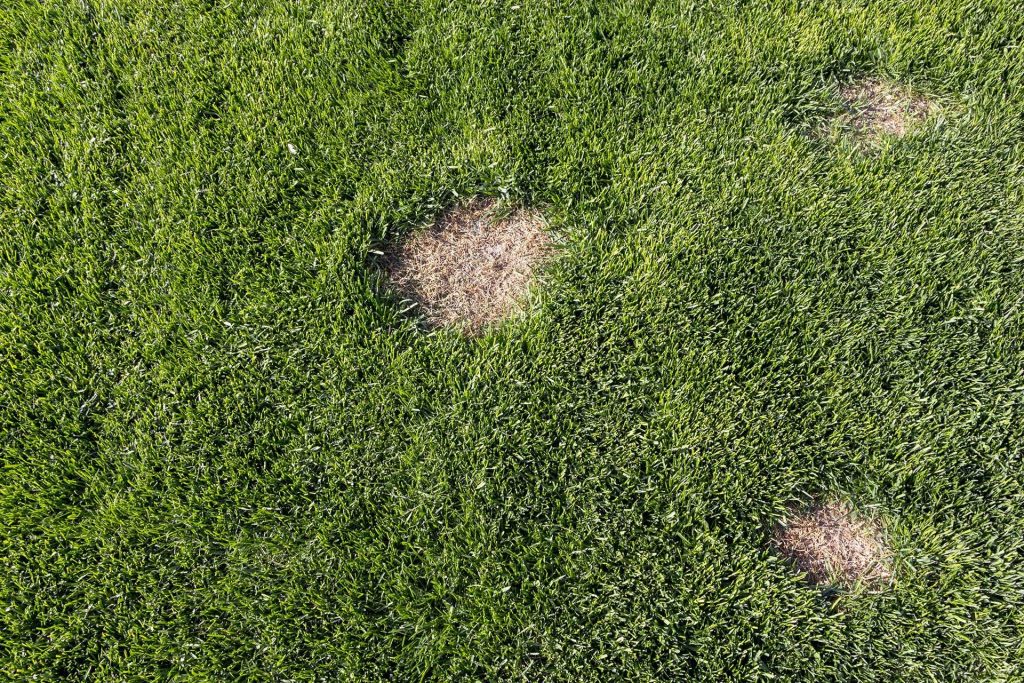
Bermuda grass is a popular choice for lawns because of its drought resistance and lush appearance. However, it can face issues such as bare patches, weeds, and disease damage. Recognizing these problems early helps you respond quickly to keep your lawn healthy. Bare patches often occur due to heavy foot traffic or pests, while weeds like dollar weeds can compete with Bermuda grass for nutrients. Diseases such as dollar spot or brown patch may also cause brown spots and thinning areas.
Assessing Your Lawn’s Condition
Before starting repairs, carefully evaluate your lawn’s condition. Check for areas that are thin, patchy, or discolored, and identify any signs of pests or disease. Use a soil test kit to measure pH and nutrient levels, which can reveal deficiencies. This assessment guides your repair plan and ensures you address underlying issues effectively.
Preparing Your Lawn for Repair
Good preparation makes laying down new grass or reseeding more effective. First, mow your Bermuda grass to a height of about 1.5 inches to reduce competition from existing plants. Remove debris such as leaves, sticks, and dead grass. Loosen the soil in damaged areas using a rake or garden fork to create a good seed bed. If necessary, aerate the soil to improve water and nutrient penetration.
Choosing the Right Repair Method
There are multiple ways to repair a Bermuda grass lawn depending on the size and severity of damage. For small patches, spot reseeding or sod patches works well. For larger damaged areas, you can either overseed or lay new sod. In some cases, reseeding is more affordable, while sod provides instant coverage and a neat finish.
Seeding Bermuda Grass
Seeding is a cost-effective method for repairing bare patches. Use a high-quality Bermuda grass seed suited for your climate zone. Prepare the soil as described and spread the seed evenly, following the recommended seeding rate. Lightly rake the soil to cover the seeds and press them down with a roller or foot to ensure good soil contact. Keep the soil consistently moist until the grass germinates, which usually takes about 7 to 14 days.
Best Time to Seed Bermuda Grass
The optimal time for seeding is during the warm months of late spring and early summer when temperatures are between 75 and 85 degrees Fahrenheit. Avoid seeding in the fall or winter as Bermuda grass struggles to establish in cooler weather. Proper timing ensures quick germination and healthy growth.
Laying Bermuda Grass Sod
Sod offers immediate results, making it ideal for repairing large damaged areas or establishing a new lawn. Prepare the soil thoroughly, ensuring it is smooth, level, and free of weeds. Lay the sod in a brick-like pattern, staggering seams for stability. Press the sod down to eliminate air pockets and water immediately after planting to help roots establish.
Maintaining Your Repaired Bermuda Lawn
Proper maintenance sustains the health of your repair. Water your newly repaired areas regularly, especially during the first two weeks, keeping the soil moist but not waterlogged. Avoid heavy foot traffic until the grass is well-established. Fertilize the lawn with a balanced fertilizer after two to three weeks to promote vigorous growth.
Watering Tips for Bermuda Grass Repair
Consistent watering is crucial during the repair phase. Water deeply two to three times a week, ensuring moisture reaches a depth of 6 to 8 inches. Adjust frequency based on rainfall and soil moisture levels. Remember, overwatering can cause disease, so maintain a careful balance.
Fertilizing and Nutrient Management
Apply a nitrogen-rich fertilizer to encourage lush, dense growth. Use a slow-release fertilizer to provide nutrients over an extended period. Follow the recommended application rates, being cautious not to over-fertilize, which could stress the grass or promote weed growth.
Controlling Weeds and Pests During Repair
Weed control is essential during repair to prevent competition. Use selective herbicides sparingly and only after the new grass has established. Regularly inspect for pests such as grub worms or armyworms and treat infestations promptly with appropriate pesticides. Maintaining a healthy lawn through proper watering and fertilizing also reduces pest problems.
Preventing Future Damage and Maintaining a Healthy Bermuda Grass Lawn
Ongoing care keeps your lawn in top shape. Mow regularly at the correct height—about 1.5 to 2 inches—to promote dense growth. Aerate annually to improve soil health and reduce compaction. Water deeply but infrequently and fertilize according to the season to support ongoing growth. Regular overseeding helps fill in thinning areas over time.
Additional Tips for Bermuda Grass Improvement
To improve overall lawn performance, consider topdressing with a thin layer of compost or soil to improve soil quality. Aeration helps reduce thatch buildup and enhances root development. Avoid excessive foot traffic during hot, dry periods to prevent stress and damage. Proper edging and weed control create a tidy, healthy lawn.
Related Topics to Consider
- Best Bermuda grass varieties for different climates
- Choosing the right fertilizers for Bermuda grass
- Effective lawn pest control strategies
- How to prevent weeds in Bermuda grass lawns
- Seasonal lawn care tips for Bermuda grass
This comprehensive approach ensures your Bermuda grass lawn recovers fully and maintains its beauty year-round. With patience and proper care, your lawn will thrive and become the envy of your neighborhood.
FIXING YOUR LAWN (Bermuda Grass)
Frequently Asked Questions
What are the initial steps to repair a patchy Bermuda grass lawn?
Start by removing any dead or damaged grass from the affected areas. Loosen the soil to improve aeration and drainage, then rake the area to remove debris. If the soil is compacted, consider aerating to enhance root growth. Water the area thoroughly before planting new Bermuda grass to ensure proper soil moisture, which helps establish healthy turf.
How can I effectively reseed my Bermuda grass lawn for better coverage?
Choose high-quality Bermuda grass seed suited to your climate. Spread the seed evenly over the prepared soil, using a seed spreader for consistency. Lightly rake the seeds into the soil to ensure good soil contact, then water gently but thoroughly. Maintain consistent moisture and avoid heavy foot traffic to promote successful germination and even growth.
What maintenance practices help promote healthy Bermuda grass after repair?
Maintain regular watering schedules to keep the soil moist but not waterlogged, especially during germination and early growth stages. Apply balanced fertilizers according to recommended rates to support healthy development. Mow the grass at the appropriate height, about 1 to 2 inches, to encourage dense, vigorous turf. Additionally, control weeds promptly to reduce competition for nutrients and space.
Final Thoughts
Pour réparer une pelouse en bermuda, commencez par enlever les zones mortes ou endommagées. Aérez le sol pour améliorer le drainage et la circulation de l’air. Réensemence avec du gazon en bermuda de haute qualité et arrosez régulièrement. En suivant ces étapes, vous pouvez efficacement réparer votre pelouse en bermuda grass lawn.