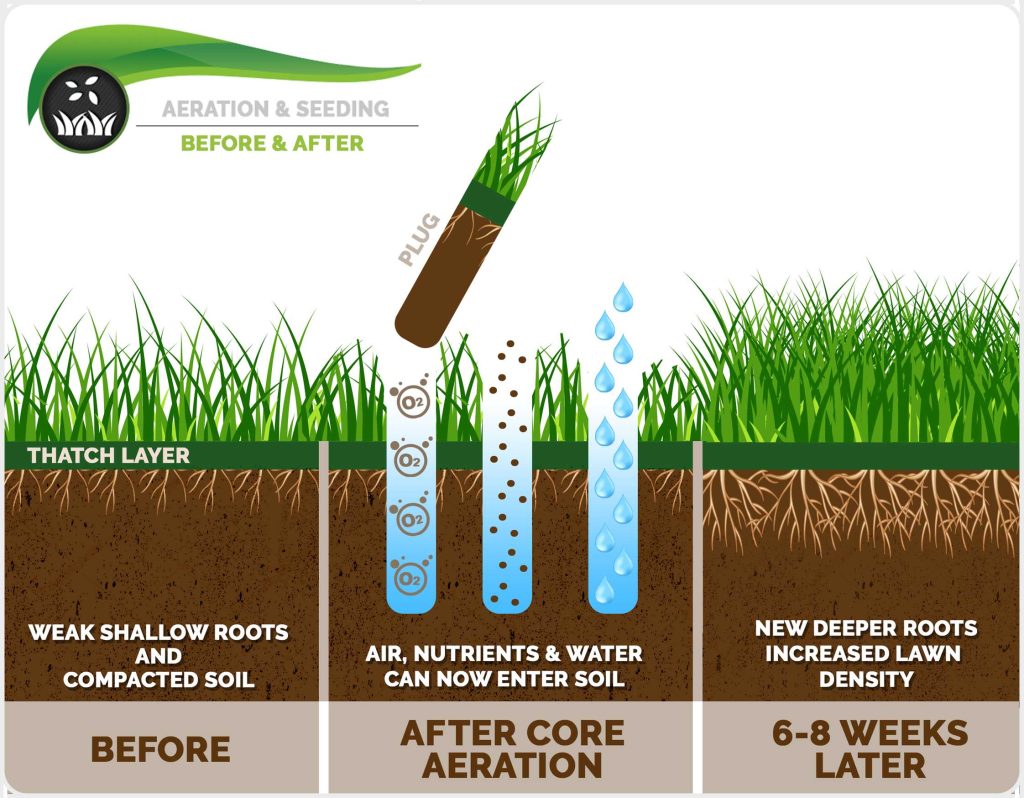
Aerating your lawn is a simple yet effective way to promote healthier grass growth. To aerate your lawn, start by assessing the soil compaction; if it feels hard and dry, it’s time to aerate. You can use a manual hand aerator or rent a motorized aerator for larger areas. The goal is to create small holes in the soil to allow air, water, and nutrients to penetrate deeper. Aim to aerate in the spring or fall when your grass is actively growing. After aerating, consider overseeding and fertilizing to enhance the benefits. With just a little effort, you can transform your lawn into a lush, green space that’s the envy of the neighborhood!
Maintaining a lush and healthy lawn can sometimes feel like a daunting task, especially with compacted soil preventing water and nutrients from reaching the roots. Have you noticed your grass struggling to thrive? Aerating can be the solution you need. This process alleviates soil compaction and promotes better growth by creating small holes in the ground. In this article, we’ll walk you through everything you need to know about aerating your lawn, from the best tools to use to when to do it for optimal results. Whether you’re a seasoned gardener or a novice homeowner, we’ve got you covered!

“`html
How to Aerate Lawn: A Comprehensive Guide
Aerating your lawn is crucial for maintaining a healthy yard. It helps improve soil compaction, enhances nutrient absorption, and allows for better water drainage. This process ultimately leads to a lush and vibrant lawn. In this guide, we will explore how to aerate lawn effectively, the benefits it offers, and tips for the best results.
Why is Aeration Important?
Aeration creates holes in the soil, allowing air, water, and nutrients to penetrate down to the roots. Here are some reasons aeration is essential:
- Reduces soil compaction
- Improves root development
- Enhances water infiltration
- Increases microbial activity
When the soil is compacted, grass roots struggle to grow. Aeration alleviates this issue, promoting a healthier lawn overall.
Understanding Different Types of Aeration
There are two primary types of aeration: core aeration and spike aeration. Each has its own method and benefits.
Core Aeration
Core aeration involves removing small plugs of soil from the lawn. This method is more effective than spike aeration because it reduces compaction by creating actual holes in the soil.
Spike Aeration
Spike aeration uses a tool with spikes to poke holes in the ground. While it can help relieve some compaction, it does not remove soil, making it less effective than core aeration.
When to Aerate Your Lawn
Timing plays a significant role in the success of aeration.
- Early spring is ideal for cool-season grasses.
- Late summer to early fall is best for warm-season grasses.
Choosing the right time will enhance the effectiveness of your aeration efforts.
How to Prepare for Aeration
Before aerating, you must prepare your lawn. Start by mowing it to a shorter length. This makes the aeration process more effective. Also, ensure your lawn is adequately watered a day before aerating.
Tools You Need for Aerating
Having the right tools is essential for successful aeration. Here are some tools you might consider:
- Aerator (core or spike)
- Rake
- Watering can or hose
If you don’t own an aerator, many garden centers offer rental options.
Step-by-Step Guide to Aerate Your Lawn
Now let’s break down the aeration process step by step:
Step 1: Choose the Right Day
Pick a dry day for aeration. Wet soil can lead to clumping and uneven aeration.
Step 2: Mow Your Lawn
Mow your grass to about 2 inches in height. This makes the aeration process easier and more effective.
Step 3: Water the Lawn
Water your lawn lightly the day before you aerate. This helps soften the soil, making aeration easier.
Step 4: Use the Aerator
Whether you’re using a core or spike aerator, follow the manufacturer’s instructions. Move in straight lines, overlapping slightly to ensure complete coverage.
Step 5: Rake and Clean Up
After aerating, rake away any excess soil plugs. This helps keep your lawn looking tidy.
Aftercare Following Aeration
After you have aerated, your lawn will need some care. Here’s what to do:
- Water deeply to help the soil settle.
- Consider fertilizing to promote growth.
- Avoid heavy foot traffic for a few days.
Proper aftercare will ensure your lawn benefits from the aeration.
Common Mistakes to Avoid During Aeration
Avoiding common mistakes can improve your aeration outcomes. Here are some pitfalls to watch out for:
- Aerating when the soil is too wet or too dry
- Skipping the mowing step before aerating
- Not taking care of the lawn after aeration
Awareness of these mistakes can lead to a healthier lawn.
Frequency of Aeration
Most lawns benefit from aeration once a year. However, if your soil is heavily compacted, you might want to aerate twice a year.
Signs That Your Lawn Needs Aeration
How do you know when it’s time to aerate? Look for these signs:
- Thin or patchy grass growth
- Water pooling on the surface
- Hard soil that’s difficult to penetrate
Noticing these signs early can help maintain a lush lawn.
Alternative Lawn Care Practices
In addition to aeration, other practices can help maintain your lawn’s health. Consider the following:
- Regular mowing
- Proper watering techniques
- Using high-quality mulch
These practices, combined with aeration, will ensure a vibrant lawn.
Hiring Professionals vs. DIY Aeration
Deciding between hiring professionals and doing it yourself depends on several factors.
Pros of Hiring Professionals
– Professionals have the experience and the right tools.
– They can give you advice tailored to your lawn’s needs.
Pros of DIY Aeration
– It can save you money.
– You can choose when to do it based on your schedule.
Consider your budget, time, and lawn size when making this decision.
Aerating your lawn is a simple yet effective way to improve its health and appearance. By understanding the best practices, including when and how to aerate, you can maintain a beautiful yard. Regular aeration, combined with good lawn care habits, will lead to a lush and inviting lawn environment.
“`
How To Aerate your Lawn EASY – CORE AERATION
Frequently Asked Questions
What tools do I need for lawn aeration?
To aerate your lawn effectively, you will need a lawn aerator, which can be either a spike or a core aerator. A spike aerator creates holes by puncturing the soil, while a core aerator removes small plugs of soil. Additionally, you may want a rake to level the soil after aeration and a lawn mower to trim the grass before starting the process.
When is the best time to aerate my lawn?
The ideal time to aerate your lawn typically falls during the growing season. For cool-season grasses, early spring or early fall works best. For warm-season grasses, late spring or early summer is preferable. Aerating during these times helps grass recover quickly and promotes healthy growth.
How often should I aerate my lawn?
The frequency of lawn aeration depends on your lawn’s condition and soil type. Generally, you should aerate once a year for average lawns. If your lawn experiences heavy foot traffic or has compacted soil, you may need to aerate twice a year. Always assess your lawn’s health and adjust accordingly.
What should I do with the soil plugs after aeration?
After aerating your lawn, leave the soil plugs on the surface. They will break down over time, adding nutrients back into the soil and helping improve its structure. If you wish, you can lightly break them up with a rake to speed up the process, but it is not necessary.
Can I aerate my lawn during drought conditions?
Aerating your lawn during a drought is not advisable, as dry soil can be too hard and compacted, making it difficult for aerators to penetrate. Wait until the soil is moist, ideally after rainfall or irrigation, to ensure effective aeration and minimize stress on your lawn.
Final Thoughts
Aerating your lawn improves root growth, enhances nutrient absorption, and promotes a healthier grass surface. Regular aeration relieves compacted soil, allowing water and air to penetrate more effectively.
To aerate your lawn, use a core aerator to remove small soil plugs. Timing is essential; aim to aerate during the growing season for best results.
By following these steps, you can ensure a vibrant and lush lawn. Remember, understanding how to aerate lawn is key to maintaining your yard’s health and beauty.