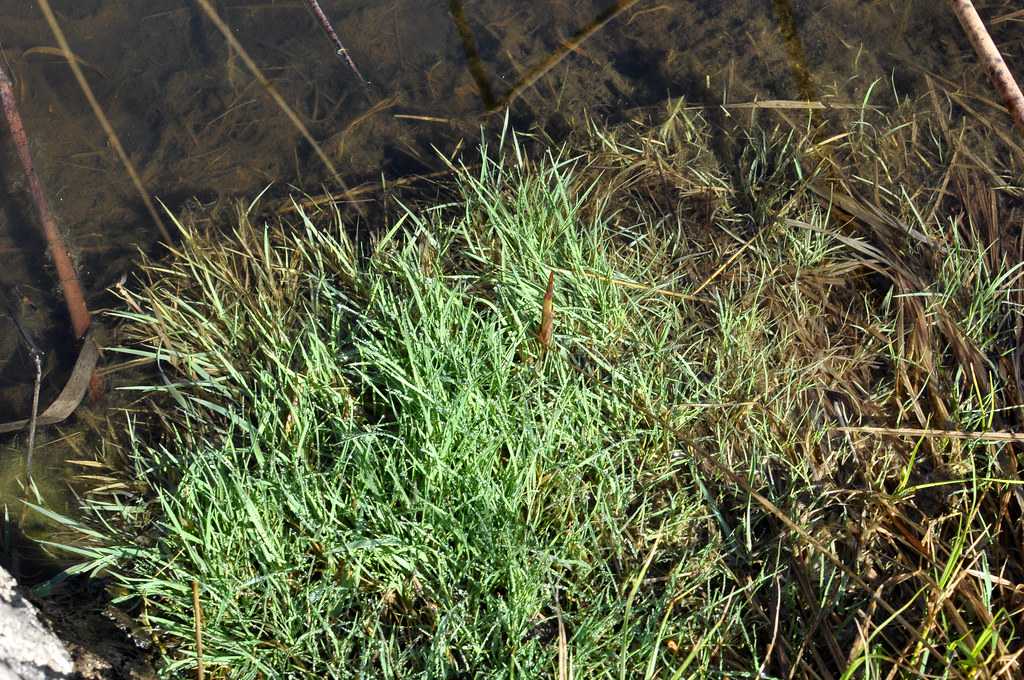
Yes, creeping bentgrass can be considered invasive in certain contexts, particularly when it escapes managed areas like lawns and golf courses. This resilient grass species thrives in a variety of conditions and can quickly spread, outcompeting native plants and altering local ecosystems. While it’s valued for its fine texture and adaptability in turf management, its ability to establish rapidly in non-target areas poses challenges for biodiversity. If you’re thinking about using creeping bentgrass, it’s essential to understand its potential impact on your local environment. Being informed helps you make better choices for both your landscape and the surrounding ecosystem. Let’s delve deeper into the characteristics of creeping bentgrass and explore its implications for native habitats.

Is Creeping Bentgrass Invasive?
When people think about lawns and golf courses, **creeping bentgrass** often comes to mind. It’s loved for its lush green appearance and soft texture. However, many people wonder, “Is creeping bentgrass invasive?” This question is crucial for both homeowners and environmentalists alike. To understand the **invasiveness** of creeping bentgrass, we need to dig deeper.
What is Creeping Bentgrass?
Creeping bentgrass, scientifically known as **Agrostis stolonifera**, is a perennial grass species. It forms dense mats, making it an ideal choice for golf greens and fine lawns. This grass thrives in cool, moist climates and is often used in places where a smooth, even surface is essential.
Some key characteristics of creeping bentgrass include:
- Fine texture, which provides an aesthetically pleasing lawn.
- Ability to tolerate foot traffic better than many other grass types.
- Rapid growth and aggressive spreading, which can lead to it overtaking other plant species.
How Does Creeping Bentgrass Spread?
Creeping bentgrass spreads by both **seed and vegetative propagation**. Its unique ability to creep along the ground through **stolons** allows it to fill in bare patches quickly.
– **Seed Propagation**: It produces light seeds that can be blown by the wind or carried by water.
– **Vegetative Propagation**: The stolons grow horizontally, creating new plantlets that root down into the soil, promoting further spread.
This dual method of reproduction contributes to its capacity to become invasive in various environments.
Is Creeping Bentgrass Considered Invasive?
Whether creeping bentgrass is considered invasive often depends on the local ecosystem. In **some regions**, it can disrupt native flora and lead to decreased biodiversity. When a plant outcompetes native species, it can change the habitat for animals and insects, creating an imbalance.
For instance, in areas where **native grasses** are already scarce, creeping bentgrass may take over, leading to:
- A decline in local wildlife that depend on native plants for food and shelter.
- Altered soil quality and erosion rates.
It’s vital to recognize that while creeping bentgrass is beneficial in managed landscapes, it can harm natural ecosystems.
Where is Creeping Bentgrass Invasive?
Creeping bentgrass has been reported as invasive in several regions, especially where it is not native. It’s important to monitor its growth in these areas:
– **Northeast United States**: Here, creeping bentgrass often competes with native species, leading to reduced biodiversity.
– **Pacific Northwest**: Its rapid growth can outcompete local plants and alter ecosystems.
– **Southern Canada**: Displacing native vegetation can have negative consequences for the local wildlife.
These regions highlight the significant impact creeping bentgrass can have when introduced to non-native environments.
The Ecological Impact of Creeping Bentgrass
The ecological impact of creeping bentgrass can be far-reaching. As it spreads, it can affect not only plant communities but also the **entire ecosystem**. Here are some effects to consider:
Biodiversity Loss
When creeping bentgrass takes over, it often means:
- Fewer species of plants and animals.
- Loss of plant diversity, which can affect insects and other wildlife.
This includes crucial pollinators that rely on a variety of plants for food.
Soil Health Changes
Creeping bentgrass can influence soil health through:
- Increased compaction due to its dense growth.
- Changes in nutrient cycling, which can inhibit the growth of other plants.
Healthy soil is essential for the survival of a diverse array of organisms.
Managing Creeping Bentgrass
If creeping bentgrass starts to invade an area, management is crucial. Here are ways to control its spread:
Physical Removal
One effective method is physically removing the grass. This includes:
- Digging up patches of creeping bentgrass and disposing of them properly.
- Using barriers to prevent its spread into new areas.
Chemical Control
Herbicides can also help manage creeping bentgrass. However, caution is essential. Be sure to:
- Choose herbicides that target bentgrass specifically without harming native plants.
- Follow application guidelines to minimize environmental impact.
Promoting Native Species
Another approach involves promoting native species. To encourage biodiversity, consider:
- Replanting areas with native seeds to outcompete creeping bentgrass.
- Creating gaps in bentgrass coverage for native plants to establish.
Benefits of Creeping Bentgrass
While there are concerns about creeping bentgrass’s invasiveness, it’s essential to recognize its benefits. This grass is not just a beautiful addition to lawns and courses; it also plays essential roles.
High Aesthetic Value
Creeping bentgrass offers a rich green color and smooth texture, making it a favorite for many homeowners and golf courses.
Excellent Turf Quality
The dense growth of creeping bentgrass provides:
- A durable surface for sports and recreational activities.
- Resistance to wear and tear, making it ideal for high-traffic areas.
Environmental Benefits
Creeping bentgrass can also offer benefits such as:
- Soil erosion control due to its dense root system.
- Improvement of air quality by capturing dust and pollutants.
These advantages highlight that while creeping bentgrass can be invasive, it also holds value in managed landscapes.
Conclusion on Creeping Bentgrass
In summary, the question of whether creeping bentgrass is invasive is complex. Its aggressive growth and ability to outcompete native species make it a concern in some areas. However, its benefits in managed environments, such as golf courses and lawns, are undeniable. It’s essential for homeowners and land managers to be aware of its potential invasiveness and take appropriate action when necessary. Understanding how to manage creeping bentgrass can help preserve local ecosystems while still enjoying its beauty and utility in landscaped areas.
How to Get Rid of Bent Grass on Home Lawns
Frequently Asked Questions
“`html
What impacts does creeping bentgrass have on local ecosystems?
Creeping bentgrass can outcompete native species for resources such as light, water, and nutrients. Its rapid growth and aggressive spreading nature might disrupt the balance of local ecosystems, potentially leading to a decline in biodiversity. Gardeners and land managers should monitor its spread to prevent it from dominating natural habitats.
How can I control creeping bentgrass in my garden?
To manage creeping bentgrass, consider implementing mechanical removal methods such as digging or mowing frequently to reduce its spread. Herbicides can also be effective, but it’s essential to choose ones that specifically target bentgrass while minimizing harm to desired plants. Regular maintenance and vigilance help keep its growth in check.
What are the advantages of creeping bentgrass despite its invasive potential?
Creeping bentgrass offers several benefits, such as its ability to create a dense and lush lawn, making it popular for golf courses and manicured landscapes. It withstands foot traffic well and recovers quickly from damage. Additionally, its fine texture and vibrant color contribute to aesthetic appeal.
Is there a specific region where creeping bentgrass poses more threats?
Creeping bentgrass tends to be more problematic in temperate regions, where its growing conditions are favorable. Areas with moist, well-drained soils support its spread, making those ecosystems particularly vulnerable to its invasion. Local land managers should assess their specific regions to understand the potential risks.
Can creeping bentgrass be beneficial for erosion control?
Yes, creeping bentgrass can be beneficial for erosion control due to its extensive root system. Its ability to establish quickly makes it an effective choice for stabilizing soil in areas prone to erosion, such as slopes or disturbed lands. However, landowners should balance its use with awareness of its invasive characteristics.
“`
Final Thoughts
Creeping bentgrass does exhibit characteristics that can be considered invasive in certain environments. Its rapid growth and ability to spread can outcompete native vegetation, particularly in well-maintained lawns and golf courses.
Moreover, once established, it becomes challenging to control without significant effort. This raises the important question: Is creeping bentgrass invasive? In many regions, its spread can disrupt local ecosystems, making management essential for maintaining biodiversity.