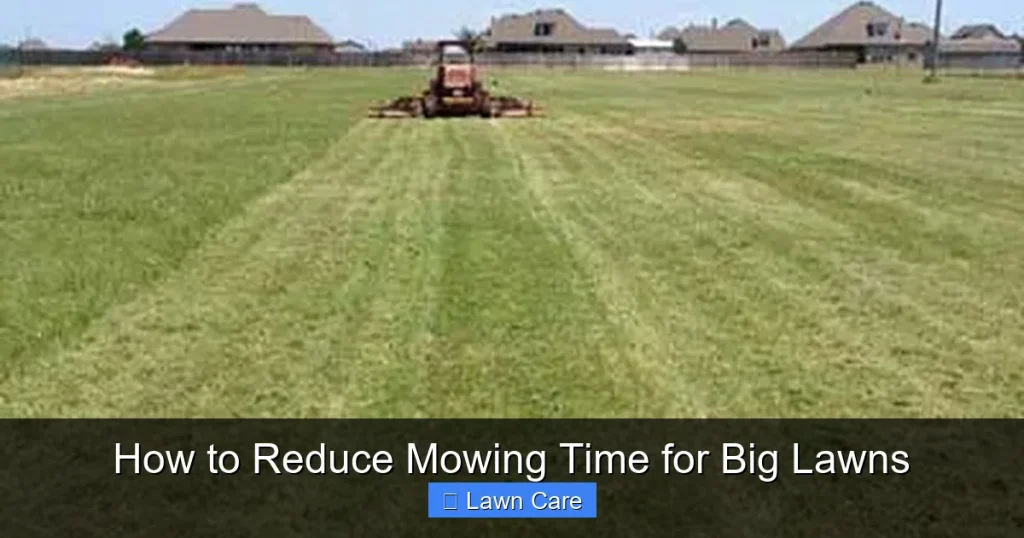
Mowing a large lawn doesn’t have to take hours every week. With the right tools, techniques, and planning, you can cut your mowing time in half or more. This guide walks you through practical steps—from choosing the best mower to timing your mow for maximum efficiency. Whether you’re maintaining a 1-acre estate or a suburban backyard, these tips will help you spend less time cutting grass and more time enjoying your yard.
Mowing a big lawn can feel like a full-time job. Between the time, effort, and fuel, it’s easy to dread the weekly chore. But what if you could cut your mowing time in half—without sacrificing a healthy, beautiful lawn? The secret isn’t more elbow grease; it’s smarter planning and the right equipment.
Whether you’re dealing with a sprawling backyard, a hilly estate, or just a yard that seems to grow grass overnight, this guide will show you how to reduce mowing time for big lawns. You’ll learn practical tips that work for any size property, from adjusting your mower’s settings to timing your mow for maximum efficiency. Let’s turn that time-consuming task into a quick, easy routine.
Key Takeaways
- Choose the right mower: A riding mower or robotic mower can save hours on large lawns compared to push mowers.
- Adjust mowing height: Raising your grass blade by 1–2 inches reduces mowing frequency and strengthens turf.
- Mow when grass is dry: Cutting on damp grass leads to clumping and uneven cuts, increasing cleanup time.
- Use a mulching or bagging feature: These options reduce post-mow cleanup and recycle nutrients back to the soil.
- Plan your mowing schedule: Mow every 7–10 days during peak growth instead of daily for less effort.
- Trim edges early: Use a string trimmer before mowing to avoid re-cutting edges and save time.
- Maintain your mower: A sharp blade and clean deck cut faster and more evenly, reducing mowing time.
Quick Answers to Common Questions
How can I mow my big lawn faster?
Use a riding or robotic mower, mow less frequently, and raise your cutting height. These changes reduce time and effort significantly.
Should I mow every week?
Not always. Most lawns only need mowing every 7–10 days during peak growth. Mowing too often increases time spent and stresses the grass.
Is a robotic mower worth it for large lawns?
Yes, if your lawn is mostly flat and free of obstacles. Robotic mowers cut daily with precision, saving you hours per month.
Can I reduce mowing by raising the grass height?
Absolutely. Taller grass grows slower and requires less frequent cutting, cutting mowing time in half or more.
What’s the best time of day to mow?
Mow early morning or late afternoon when grass is dry and temperatures are cooler. Avoid mowing in midday heat or after rain.
📑 Table of Contents
1. Choose the Right Mower for Large Lawns
The first step to reducing mowing time is picking a mower built for big jobs. A push mower might work for small yards, but on larger properties, you need something more powerful and efficient.
Consider a Riding Mower
For lawns over half an acre, a riding mower is a game-changer. These machines cut up to 2 acres per hour—often faster than you can walk. Look for models with wide cutting decks (42 to 54 inches) and powerful engines. Many come with features like mulching, bagging, and side discharge, giving you flexibility depending on your needs.
Explore Robotic Mowers
If you want zero effort, robotic mowers are worth the investment. These autonomous mowers cut grass daily with precision, returning to their charging station when done. They’re perfect for busy homeowners who want a perfectly maintained lawn without lifting a finger. Just make sure your lawn has minimal obstacles and isn’t too hilly.
Don’t Forget About Zero-Turn Mowers
Zero-turn riding mowers offer unmatched maneuverability, especially on uneven or oddly shaped lawns. Their pivoting capability lets you cut around trees, flower beds, and obstacles quickly—saving time compared to standard riding mowers.
2. Optimize Your Mowing Schedule
Visual guide about How to Reduce Mowing Time for Big Lawns
Image source: ecmlawns.com
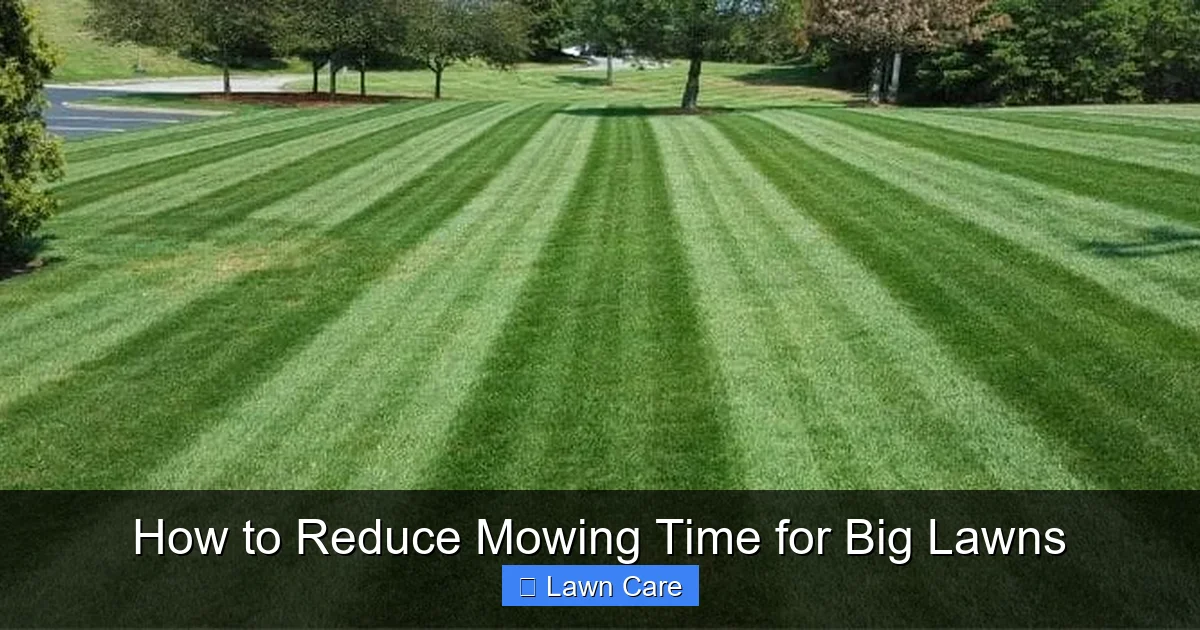
Timing is everything when it comes to mowing efficiency. Mowing too often or at the wrong time wastes time and harms your lawn.
Mow Every 7–10 Days During Peak Growth
Most grasses grow fastest in spring and early summer. Instead of mowing every few days, extend your mowing interval to once every 7 to 10 days. This reduces the total number of mows per season and encourages deeper root growth. For more on seasonal lawn care, check out our guide on how to plant ryegrass for winter.
Avoid Mowing During Peak Heat
Mowing between 10 a.m. and 4 p.m. can stress your lawn and make the mower work harder. Early morning or late afternoon is ideal. Grass is also drier in the morning, reducing clumping and cleanup time.
Skip Mowing After Rain
Wet grass clogs mower decks and leads to uneven cuts. Wait until the lawn is dry—usually 24 to 48 hours after rain—before mowing. This also prevents soil compaction and reduces the risk of disease.
3. Adjust Your Mowing Height and Technique

Visual guide about How to Reduce Mowing Time for Big Lawns
Image source: lawnmowing101.com
How you mow matters more than when. Cutting your grass too short forces you to mow more often and weakens the turf.
Raise the Cutting Height
Set your mower blade 3 to 4 inches high for cool-season grasses and 2 to 3 inches for warm-season varieties. Taller grass shades the soil, retains moisture, and grows slower. This means fewer mows and less time spent cutting. The How to Maintain Soil Moisture for Healthy Grass guide offers tips to support this strategy.
Use the ⅓ Rule
Never remove more than one-third of the grass blade at once. Cutting too much stresses the plant and leads to patchy growth. Instead, let grass grow taller between mows and cut less frequently. This reduces mowing time and promotes a denser lawn.
Alternate Mowing Patterns
Cutting in the same direction every time creates ruts and uneven wear. Change your mowing pattern each time—try perpendicular, diagonal, or spiral patterns. This keeps the mower moving smoothly and reduces the need for re-cutting.
4. Use Mulching and Bagging Wisely
Visual guide about How to Reduce Mowing Time for Big Lawns
Image source: globalnews.ca
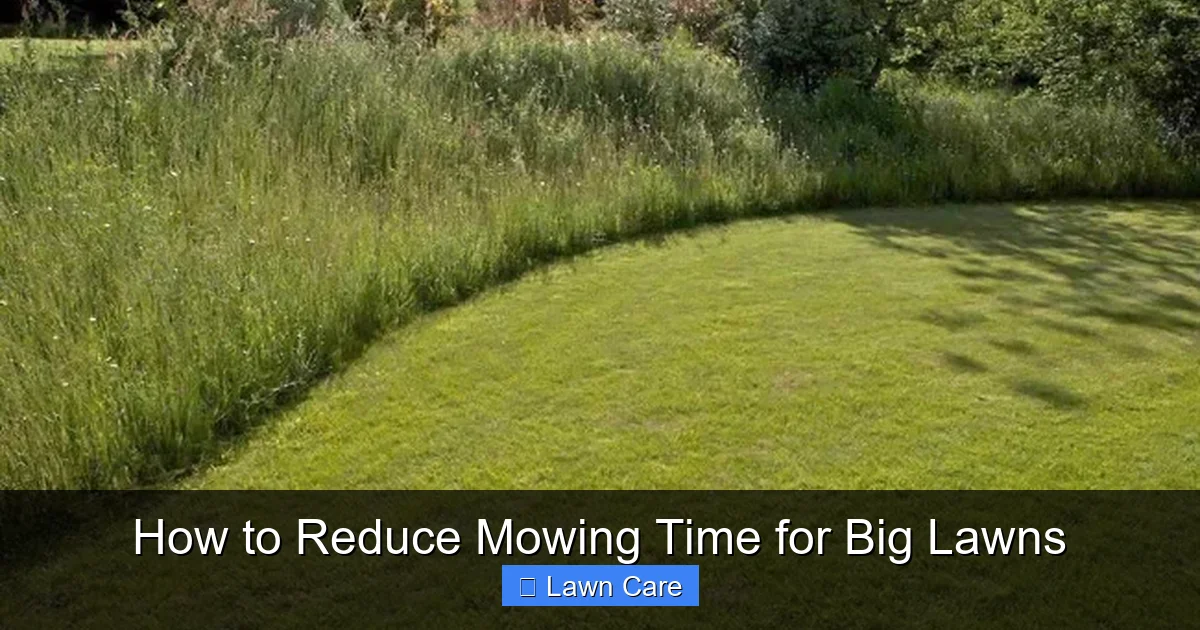
Post-mow cleanup can eat up time. Smart use of mulching and bagging features helps minimize this.
Switch to Mulching Mode
A mulching mower chops grass clippings into tiny pieces that decompose quickly and return nutrients to the soil. This reduces bagging frequency and eliminates the need to rake or dispose of clippings. Just ensure your lawn isn’t heavily shaded or prone to disease, as thick clippings can smother grass.
Bag Only When Necessary
Use the bagging feature only when grass is wet, clumping, or you need to remove clippings quickly (e.g., before a party). Otherwise, mulching saves time and improves soil health. For more on natural lawn care, see how to naturally fertilize your lawn.
Invest in a High-Quality Bagging System
If you do need to bag, choose a mower with a well-designed collection system. Some models have self-unloading bags or easy-release mechanisms, reducing cleanup time.
5. Prepare and Maintain Your Mower
A well-maintained mower cuts faster and more efficiently. Spending a few minutes on upkeep pays off in reduced mowing time.
Sharpen the Blade Regularly
A dull blade tears grass instead of cutting it cleanly. Dried, jagged edges lead to brown tips and stress the plant. Sharpen your blade every 20 to 30 hours of use or once per season.
Clean the Mower Deck
Grass buildup under the deck reduces cutting efficiency and can damage the engine. Clean the underside after every 5 to 10 uses with a putty knife and hose. This keeps airflow optimal and prevents clogs.
Check Tire Pressure and Wheels
Proper tire pressure ensures even cutting height and reduces strain on the engine. Also, make sure wheels are clean and free of debris to prevent slipping.
Store Mower Properly
After use, drain fuel, clean the deck, and store the mower in a dry place. This prevents rust and extends engine life. For tips on starting a mower after a long time, see our guide on how to start a lawn mower after sitting for years.
6. Plan for Obstacles and Terrain
Large lawns often have trees, flower beds, and slopes that slow down mowing.
Trim Around Obstacles First
Use a string trimmer or edger to cut along borders, trees, and curbs before mowing. This prevents the mower from bumping into objects and saves time by avoiding repeated stops.
Use a Mower with Good Maneuverability
For hilly or uneven lawns, choose a mower with low center of gravity and good traction. If your lawn is uneven, consider leveling it first—our guide on how to level uneven spots on hilly lawns explains how.
Divide the Lawn into Sections
Break your lawn into zones and mow one at a time. This prevents backtracking and keeps your mowing pattern organized. Use stakes or rope to mark sections if needed.
Consider a Tow-Behind Mower
For very large properties, a tow-behind mower attached to an ATV or tractor can cover ground faster than a riding mower.
7. Seasonal Tips to Reduce Mowing Time
Your mowing routine should change with the seasons.
Slow Down in Dormant Seasons
During fall and winter, most grasses grow slowly. Mow only when necessary—sometimes not at all. This reduces wear on the mower and saves time.
Use a Dethatcher in Spring
Thatch buildup slows grass growth and clogs mower decks. Dethatching once a year improves air and water flow, helping grass grow faster and requiring less frequent mowing.
Fertilize at the Right Time
Healthy grass grows slower and requires less mowing. Apply fertilizer in early spring and fall according to your grass type. For guidance, see how to naturally fertilize your lawn for soil improvement.
Overseed in Fall
Filling in bare spots with grass seed reduces future mowing challenges. Overseeding thickens the lawn and prevents weeds from taking over, which can increase mowing frequency.
Conclusion
Reducing mowing time for big lawns isn’t about working harder—it’s about working smarter. By choosing the right equipment, adjusting your mowing height, and planning your schedule, you can cut hours off your weekly lawn care routine. Whether you switch to a riding mower, raise your cutting height, or use mulching, small changes add up to big time savings.
Remember, a well-maintained lawn grows slower and looks better. Invest in your mower, respect your grass’s needs, and enjoy more free time. Your future self—and your lawn—will thank you.
Frequently Asked Questions
How often should I mow a big lawn?
Most big lawns only need mowing every 7 to 10 days during active growth periods. Mowing less frequently saves time and promotes healthier grass.
Can a push mower work for large lawns?
Only if the lawn is under 1/4 acre and flat. For larger areas, a riding, zero-turn, or robotic mower will save hours of labor.
Does mulching reduce mowing time?
Yes. Mulching eliminates bagging and cleanup, and returns nutrients to the soil. Just avoid it in heavily shaded or diseased areas.
Should I mow before or after trimming edges?
Trim edges first. This prevents the mower from bumping into borders and avoids re-cutting edges, saving time and effort.
How do I keep my mower cutting faster?
Sharpen the blade regularly, clean the deck, and ensure proper tire pressure. A well-maintained mower cuts more efficiently.
Can I reduce mowing time by aerating the lawn?
Yes. Aeration improves soil health and grass growth, leading to less frequent mowing. Do it once a year in spring or fall.