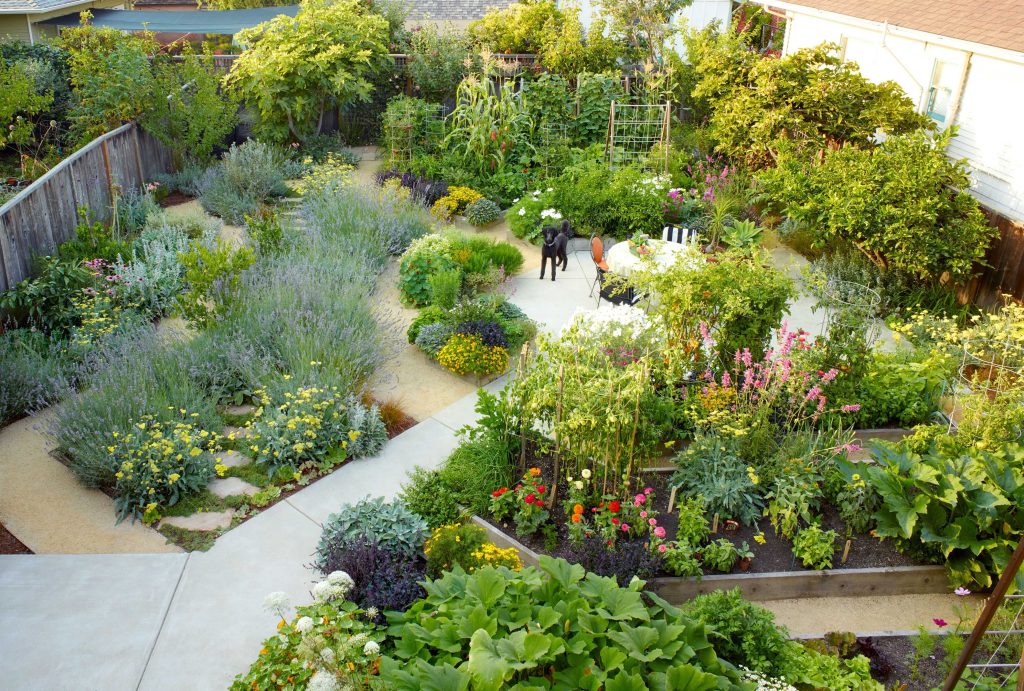
Creating a sensory garden is a delightful way to engage with nature and stimulate your senses. To start, select a variety of plants that appeal to sight, sound, touch, taste, and smell. Incorporate colorful flowers, fragrant herbs, textured leaves, and even edible plants. Design your garden layout to include winding paths, cozy seating, and water features for soothing sounds. Add elements like wind chimes or bird feeders to attract wildlife. Ultimately, the goal is to foster a multi-sensory experience that invites exploration and relaxation. So, let’s dive into the steps to craft your very own sensory oasis!
A sensory garden is a fantastic way to connect with the environment and yourself. It encourages mindfulness and creativity while providing a beautiful space for relaxation and enjoyment. With a little planning and creativity, you can create a vibrant haven that delights the senses and nurtures the spirit.

How To Create a Sensory Garden
Creating a sensory garden can be an enriching experience for people of all ages. The beauty of a sensory garden lies in its ability to engage the five senses: sight, sound, smell, taste, and touch. This type of garden can be particularly beneficial for children, seniors, and individuals with sensory processing disorders. In this guide, we will explore how to create a sensory garden that is both inviting and stimulating.
Understanding the Purpose of a Sensory Garden
Before diving into the planning stages, it’s crucial to understand why sensory gardens are created. These gardens offer opportunities for exploration and curiosity. They are designed to stimulate the senses and provide a calming space for relaxation.
Key benefits of sensory gardens include:
- Encouraging exploration and play
- Providing therapeutic benefits
- Improving mental health
The garden becomes a place where individuals can escape from daily stress and engage with nature in a unique way.
Choosing the Right Location
The first step in creating a sensory garden is selecting a suitable location. Look for a spot that receives adequate sunlight and is sheltered from strong winds.
Here are some things to consider when choosing the spot:
- Accessibility for all users
- Proximity to paths and seating
- Natural shade from trees or structures
If the area is prone to flooding, choose plants that can withstand wet conditions.
Designing the Layout
A well-thought-out layout can enhance the sensory experience. Consider creating distinct areas that focus on different sensory elements.
Here are a few ideas to include:
- Visual zones with colorful flowers and plants
- Sound areas with wind chimes and water features
- Touch zones with textured plants like lamb’s ear and succulents
Remember to leave room for pathways that allow for exploration without obstruction.
Incorporating Pathways
Pathways should be inviting and easy to navigate. They can be made from various materials, including gravel, mulch, or pavers.
Consider these tips when planning pathways:
- Ensure paths are wide enough for wheelchairs and strollers
- Use contrasting materials to help visually impaired individuals
- Incorporate curves for a more inviting feel
This design will encourage visitors to wander and explore.
Selecting the Right Plants
The selection of plants is crucial in creating a sensory garden. Aim for a variety of plants that appeal to all senses.
Here’s a breakdown of plant types for each sense:
Sight
Brightly colored flowers such as:
- Sunflowers
- Marigolds
- Hydrangeas
Sound
Plants that rustle or produce sound:
- Grasses like Blue Fescue
- Bamboo
- Lavender for its calming scent and sound
Smell
Fragrant plants to consider:
- Rosemary
- Mint
- Jasmine
Taste
Edible plants can add a delicious element:
- Strawberries
- Tomatoes
- Herbs like basil and thyme
Touch
Plants with unique textures:
- Lamb’s ear for its soft leaves
- Succulents with varying textures
- Fuzzy plants like sage
Mixing these plants will create a diverse sensory experience throughout the year.
Adding Water Features
Water features can enhance the sensory experience in a garden. The sound of flowing water can be soothing and attract wildlife.
Here are some ideas for incorporating water:
- Birdbaths for birds and butterflies
- Small fountains for a gentle flow
- Ponds for aquatic plants and fish
Water features not only engage the auditory sense but can also provide visual beauty.
Including Textural Elements
Textural elements can enhance tactile experiences in your sensory garden. Consider adding various materials to engage touch.
Here are some suggestions:
- Rocks and pebbles for a rugged feel
- Sand for tactile play areas
- Mulch or grass for soft ground cover
Incorporating various textures will help stimulate the sense of touch.
Creating Sound Zones
Sound zones can be an essential feature in a sensory garden. Consider adding elements that create pleasant sounds, such as:
Wind Chimes
Choose a variety of wind chimes that produce different tones. Hang them at varying heights to create a melodic atmosphere.
Musical Instruments
Natural wooden instruments like xylophones or drums can invite children to make music while exploring the garden.
Natural Sounds
Encourage the presence of birds and natural wildlife by planting native species that attract them.
Incorporating Seating Areas
Seating areas are necessary for rest and reflection in sensory gardens. Creating a comfortable place to sit allows visitors to soak in the beauty of the garden.
Consider these seating options:
- Benches made from natural materials
- Recycled plastic chairs for durability
- Pavement seating areas with cushions
Seating should be scattered throughout the garden to provide multiple relaxing spots.
Engaging the Sense of Smell
Smell is a powerful sense that can evoke memories and feelings. Plan to incorporate fragrant plants that bloom at different times of the year.
Some fragrant options include:
- Gardenias
- Citrus trees
- Mint and other herbs
Consider planting them near pathways so their scents can be enjoyed by all who pass by.
Creating Edible Spaces
Integrating edible plants into your sensory garden can be exciting. It allows for tastings and encourages healthy eating habits.
Here are practical ideas:
- Install a small vegetable patch
- Grow fruits like berries and apples
- Add herbs that can be used for cooking
Edible plants can engage both the taste and smell senses remarkably.
Involving the Community
A sensory garden is a perfect project for community involvement. Engaging local schools, senior centers, or gardening clubs can bring more ideas and energy to the project.
Consider organizing:
- Planting days for volunteers to help
- Workshops to teach gardening skills
- Events to celebrate the completed garden
Community involvement can create a sense of ownership and pride in the garden.
Maintenance Tips for Your Sensory Garden
Caring for your sensory garden will ensure it remains vibrant and inviting. Regular maintenance is key to keeping the garden healthy and accessible.
Here are some basic tips:
- Water plants regularly, especially in hot weather
- Weed the garden to prevent overgrowth
- Prune plants as needed to encourage growth
Creating a maintenance schedule may help keep tasks organized.
Creating a sensory garden is a fulfilling endeavor that benefits everyone. By engaging the senses, you can create a magical space for relaxation and exploration. Following these guidelines, you can design a garden that is as beautiful as it is stimulating.
Monty Don Helps Create Sensory Garden | Big Dreams Small Spaces
Frequently Asked Questions
“`html
What are the key elements to include in a sensory garden?
A sensory garden should include a variety of plants and materials that engage the five senses: sight, sound, touch, taste, and smell. Consider incorporating colorful flowers, different textures of leaves and bark, plants that attract birds and butterflies, edible herbs and fruits, and wind chimes or water features to create soothing sounds.
How can I make a sensory garden accessible to everyone?
To ensure accessibility, design your sensory garden with wide, flat pathways to accommodate wheelchairs and strollers. Incorporate raised garden beds for easy reach, and choose sensory plants that are safe and non-toxic. Use clear signage with large print to guide visitors through the garden. Additionally, ensure ample seating areas for rest and interaction.
What types of plants work best for tactile experiences in a sensory garden?
For tactile experiences, include a variety of plants with different textures. Soft plants like lamb’s ear and fuzzy flowers such as pom-pom asters invite touch. Incorporate spiky plants like thistles for contrast, and smooth, glossy leaves from plants like hostas. Having a selection of textures caters to diverse sensory experiences.
How can I incorporate sound into my sensory garden?
To incorporate sound, consider adding wind chimes, rustling grasses, and water features like small fountains or streams. You can also choose plants that attract birds or insects, as their natural sounds contribute to the overall auditory experience. Creating varied sound levels will enhance the garden’s ambiance.
What steps should I take to maintain a sensory garden?
Regular maintenance involves watering, weeding, and pruning plants to keep them healthy and vibrant. Mulch the garden to retain moisture and help control weeds. Observe plants closely to ensure they thrive and replace any that may die. Seasonal planning is also vital; rotate plants and consider seasonal blooms to keep the garden engaging year-round.
“`
Final Thoughts
Creating a sensory garden involves choosing plants that engage the senses through sight, sound, touch, taste, and smell. Incorporate vibrant flowers, aromatic herbs, and textured foliage to enhance sensory experiences.
Consider pathways and seating areas that invite visitors to explore and interact with the garden.
Ultimately, taking the time to plan and design your outdoor space ensures it becomes a sanctuary for relaxation and sensory exploration. Follow these steps to understand “How To Create Sensory Garden” effectively, turning any garden into a multi-sensory retreat.