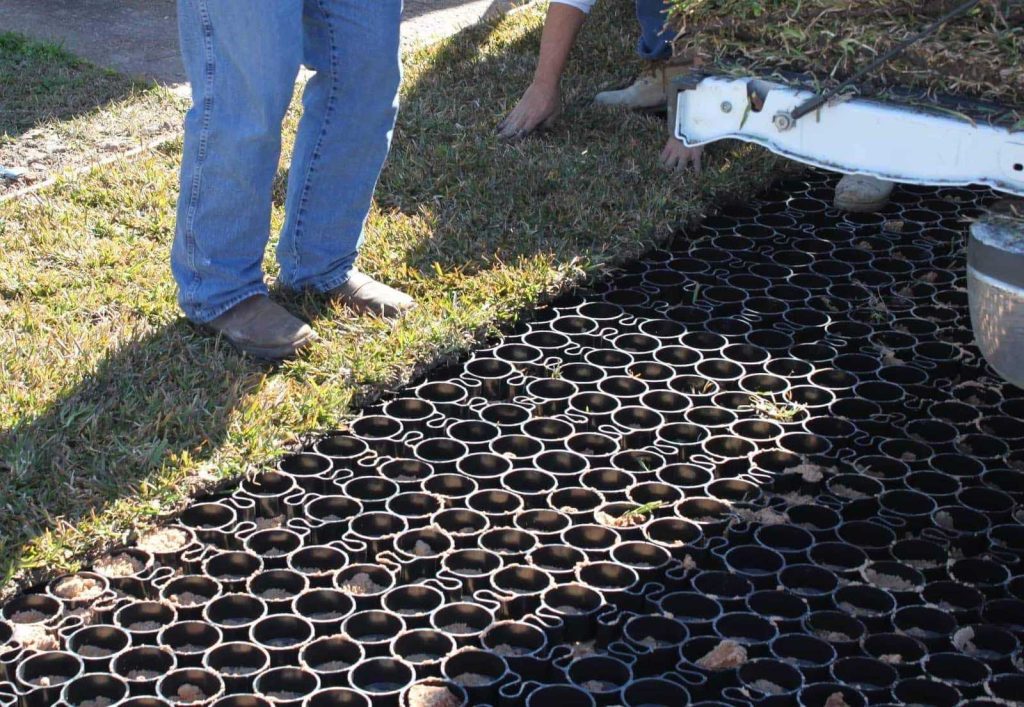
Quick fix: aerate the muddy area, add topsoil or compost, and reseed to restore your lawn quickly. Improving drainage and reducing heavy foot traffic will prevent future muddy spots. With simple steps like leveling the soil and improving soil health, you can turn your muddy patches into lush, green patches in no time.
If you’re tired of tripping over muddy patches and your lawn looks more swamp than turf, don’t worry—fixing these spots is easier than you might think. Muddy areas often pop up due to poor drainage, compacted soil, or heavy use. The good news is that with a few DIY tricks, you can restore your lawn’s beauty without spending a fortune or calling in professionals. By understanding the causes behind the mud and applying straightforward remedies, you’ll soon have a well-drained, healthy lawn that invites outdoor fun and relaxation. Whether it’s a small patch or a larger space, tackling muddy spots yourself is both satisfying and cost-effective.

How to fix muddy spots in lawn yourself
Understanding why muddy spots appear in your lawn
Muddy patches in a lawn form mainly because of poor drainage or compacted soil. When water cannot penetrate the ground properly, it pools and creates muddy areas. Heavy foot traffic or frequent rain can also wear down the soil structure, making these spots worse. Recognizing the root cause helps you choose the best solution for fixing muddy patches.
Assessing the extent of the problem
Before starting repairs, evaluate how large the muddy areas are. Use a simple method by walking across the patch—if your shoes leave marks or sink in, the area needs attention. Take note of the soil condition and whether the muddy spot is staying wet for days after rain. This assessment guides your approach, whether a quick fix or a more extensive repair.
Preparing the area for repair
Start by removing any loose grass, weeds, or debris from the muddy patch using a hoe or rake. This clears the space for proper soil treatment and prevents the muddy area from spreading. If the ground is very compacted, loosen the soil to a depth of about six inches using a garden fork or aerator, which improves water drainage and root growth.
Improving soil drainage
Good drainage is key to fixing muddy spots. You can improve it by mixing in organic materials like compost or sand if the soil is heavy clay. These amendments help water flow through the soil more easily. For severely poorly-draining areas, installing drainage tiles or creating a French drain is more effective, but it may require professional help.
Adding organic matter to enhance soil structure
Mixing compost into the soil at the muddy patch boosts its ability to absorb and drain water better. Spread at least two inches of compost over the area and till it into the top six inches of soil. This natural amendment improves overall soil health and creates a stronger foundation for grass roots.
Leveling the ground and filling in low spots
Flatten out uneven areas by adding topsoil where necessary and raking it smooth. Low spots tend to hold water longer, creating muddy patches. Fill these with well-draining topsoil, then gently compact the soil with a roller or step on it to remove air pockets. Well-leveled ground prevents water from pooling.
Choosing the right grass seed or sod
Selecting appropriate grass types is crucial for muddy patches, especially if the area is prone to frequent wetness. For shady or damp areas, consider shade-tolerant grasses like fescue. For sunny spots, Bermuda or Kentucky bluegrass works well. Using the right grass enhances root growth and water resistance.
Seeding or sodding for quick recovery
Spread grass seed evenly over the repaired patch, then lightly rake it into the soil for good contact. Keep the area moist until the new grass establishes. Alternatively, laying sod provides an instant fix, covering muddy patches immediately and preventing erosion.
Implementing proper lawn maintenance practices
Regular aeration prevents soil compaction, allowing water and nutrients to reach roots efficiently. Mowing at the right height reduces stress on grass and encourages healthy growth. Water deeply but infrequently to promote strong roots and avoid overwatering, which worsens muddy spots.
Watering tips for maintaining a healthy lawn
Deep watering about once or twice a week encourages deep root growth and helps prevent water from pooling on the surface. Use a rain gauge or soil moisture tester to ensure the correct amount of water. Consistent watering schedules help avoid the formation of muddy patches over time.
Creating a natural drainage solution
If your lawn tends to retain excess water, planting rain gardens or installing soak-away pits can help divert water away from muddy areas. These features absorb excess moisture, reducing surface pooling. Choosing well-placed plants with deep roots improves the overall drainage of your yard.
Using mulch or gravel around problem areas
Applying mulch, gravel, or small stones around muddy patches prevents soil erosion and improves water runoff. Mulch also helps to retain soil moisture, which encourages grass growth. These materials are easy to install and low-cost options for managing muddy spots.
Monitoring and maintaining your repaired lawn
Keep an eye on the repaired areas, especially after heavy rains. If patches become muddy again, revisit your drainage methods or soil amendments. Routine maintenance like aeration, overseeding, and fertilization keeps your lawn healthy and less prone to muddy spots.
Tips for avoiding future muddy patches
– Regularly aerate soil to reduce compaction
– Improve drainage in problem zones with organic matter or drainage systems
– Mow at appropriate heights to promote strong roots
– Avoid overwatering and allow soil to dry slightly between watering
– Use a rain gauge to monitor rainfall and adjust watering accordingly
Additional solutions for persistent muddy spots
In stubborn cases, consider adding a layer of turf underlayment or installing a dry creek bed. These options help channel water away efficiently and prevent muddy patches from recurring. Consulting a landscape professional can provide tailored solutions for challenging areas.
Fixing muddy spots in your lawn involves understanding the problem, improving drainage, leveling the ground, and choosing the right grass. Consistent lawn care practices support long-term health and prevent future muddy patches. With patience and proper techniques, you can enjoy a lush, mud-free yard.
Frequently Asked Questions
What steps can I take to improve soil drainage in muddy patches?
To enhance soil drainage, first aerate the affected area by loosening the soil with a garden fork or aerator. Incorporate organic matter like compost or sand to increase porosity. Consider installing drainage systems such as french drains if the area experiences persistent water pooling. Regularly monitor and adjust watering habits to prevent over-saturation, especially during heavy rains.
How do I reseed or overseed areas with muddy spots?
Start by raking the muddy area to remove excess mud and debris. Loosen the soil slightly with a rake or garden fork to promote seed contact and root growth. Spread grass seed evenly over the patch, then lightly press it into the soil using a roller or by hand. Keep the area consistently moist until the new grass establishes firmly, which helps to prevent future mud formation.
What are some natural methods to keep my lawn firm and reduce muddy areas?
Applying a top layer of compost or shredded mulch over muddy spots can help stabilize the soil surface. Planting grass varieties suited to your climate and soil type encourages dense growth that minimizes bare patches and reduces mud formation. Additionally, maintaining proper mowing height and avoiding excessive foot traffic in wet conditions helps keep the ground firm and prevents further compaction and muddiness.
Final Thoughts
Fix muddy spots in your lawn yourself by first identifying the cause, such as heavy foot traffic or poor drainage. Remove excess mud and compacted soil, then add organic matter or sand to improve drainage and promote healthy grass growth. Regularly aerate your lawn to prevent future compaction and water the area properly to keep the soil moist but not oversaturated. By following these steps, you can effectively address muddy spots and maintain a healthy, even lawn. Remember, fixing muddy spots in lawn yourself requires consistent effort and care to ensure lasting results.