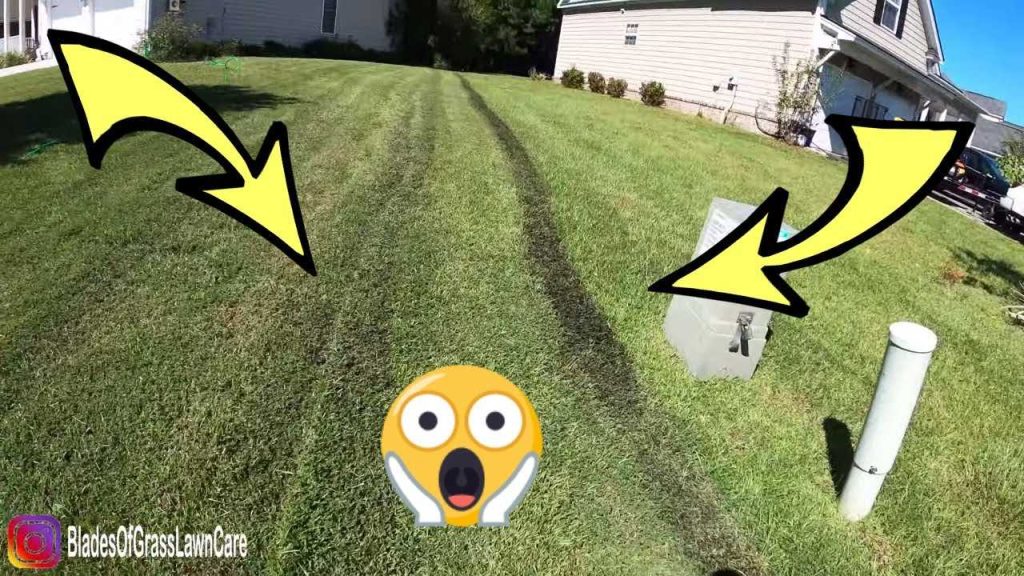
To fix ruts in your lawn caused by tires, start by filling the grooves with a mix of topsoil and compost, then gently firm the area and reseed. You can also use a lawn roller to smooth out the surface and help the grass recover faster. Regular watering and proper lawn care will make your yard look pristine again.
Ruts from tires can be unsightly and tricky to repair, but with a few simple steps, you can restore your lawn’s smoothness. Filling in the ruts with soil, leveling the area, and reseeding are effective ways to bring your yard back to life. Consistent maintenance ensures the grass grows thick and healthy, preventing future damage.
If your lawn has developed unsightly tire ruts, don’t worry. These grooves can be repaired without professional help, and it’s easier than you think. First, loosen the soil in the ruts and fill them with a mix of topsoil and compost. Use a rake to level the area and then lightly tamp it down to ensure stability. Afterward, reseed the spot and keep it consistently watered until new grass takes hold. To avoid further damage, consider adjusting the tires’ pressure when mowing or using your tractor, and avoid driving on the lawn when it’s wet or muddy. With patience and a little effort, your lawn will be looking smooth and healthy again in no time.

How to Fix Ruts in Lawn from Tires
Understanding Why Ruts Form in Lawns
Ruts in your lawn happen when heavy vehicles or equipment repeatedly pass over the same spot. The weight pushes soil aside and compresses it, creating visible grooves. These ruts can make your yard look uneven and can even lead to further soil erosion if not addressed.
Heavy machinery, lawnmowers, and recreational vehicles are common culprits behind tire ruts. The type of soil in your yard also plays a big role. Wet or clay soil is more prone to ruts because it’s softer and less stable when moist.
Assessing the Damage and Planning Your Repair
Before starting repairs, evaluate how deep and wide the ruts are. Use a ruler or measuring tape to determine depth, and inspect how much the surface is uneven.
Create a plan based on the severity of the ruts. For shallow grooves, simple leveling may work. Deep or wide ruts, however, may need more extensive filling and soil work.
Tools and Materials Needed for Fixing Ruts
Gather the following items before you begin:
- Shovel or garden fork
- Rake
- Topsoil or compost
- Grass seed or sod
- Leveling rake or landscape rake
- Water hose or sprinkler
- Compacting tool or tamper
- Garden gloves and mask (for protection)
Having these ready will make the repair process smoother and more effective.
Preparing the Area for Repair
Start by removing any loose debris, grass, or rocks from the rutted area. Use a shovel or rake to loosen the soil along the edges of the ruts.
If the soil is compacted deeply, consider lightly aerating the area. This helps improve soil drainage and allows new soil to settle better.
Filling the Ruts: Step-by-Step Guide
First, fill the bottom of the rut with a small amount of soil, making sure it’s firm but not compacted too tightly.
Add soil gradually, gradually building up the height to be level with the surrounding lawn. Use a leveling rake to spread the soil evenly.
Water the area thoroughly after filling to help settle the soil and eliminate air pockets. Repeat the filling process if necessary once the soil has settled.
Seeding the Repaired Area
Once the surface is level, spread grass seed evenly over the filled area. Choose a seed that matches your existing lawn type for best results.
Lightly cover the seed with a thin layer of topsoil or compost. Water frequently to keep the soil moist, encouraging healthy germination.
Sodding as an Alternative to Seeding
For quick results, you can lay sod patches over the repaired area. Cut the sod to fit, then press firmly and water thoroughly.
Ensure the edges of the sod blend into the existing lawn. Keep the area moist until the sod establishes roots.
Preventing Future Tire Ruts
Proper lawn maintenance can reduce the chances of ruts forming again. Limit heavy vehicle use on soft soil, and avoid driving over the same spots repeatedly.
Create designated paths for vehicles or equipment to distribute weight evenly and avoid damage.
Ways to Reinforce the Lawn and Soil
Consider aerating your lawn regularly to prevent soil compaction. Use a lawn aerator to puncture the soil and promote better root growth.
Adding organic matter such as compost can improve soil structure and stability. Mulching around problem areas also helps protect against erosion and helps maintain moisture.
Using Soil Stabilizers and Reinforcements
In cases where ruts are deep and recurrent, soil stabilizers like grass pavers or geogrids can help. These products strengthen the soil and improve load-bearing capacity.
Consult with landscaping professionals for custom solutions if your lawn experiences persistent damage.
Proper Lawn Care for Long-Term Results
Maintain consistent watering, fertilization, and mowing to keep your lawn healthy. A dense, healthy grass cover resists soil erosion and minimizes ruts.
Regularly inspect your lawn after heavy rains or use, and address any signs of damage early.
Additional Tips for Repair Success
Use a roller or tamper after adding soil to compress and compact the area. This reduces future settling and creates a smooth surface.
Avoid walking or driving over newly repaired patches until the grass or sod has firmly established. Patience ensures that your repairs last longer.
Related Topics: Improving Lawn Stability and Quality
– Aeration techniques for healthier soil
– Choosing the right grass seed for your climate
– Effective watering schedules
– Best fertilizers for lawn growth
– Erosion control methods in lawns
These practices, combined with fixing existing ruts, can lead to a lush, even lawn that withstands the test of time and weather.
By understanding how to fix ruts in your lawn from tires and applying proper techniques, you can restore your yard’s beauty and functionality. Remember, gentle handling and consistent maintenance are key to preventing future damage and keeping your lawn healthy.
Frequently Asked Questions
What are effective methods to level out tire ruts in my lawn?
To level out tire ruts, start by removing any loose debris from the area. Fill the ruts with a mix of topsoil and organic compost, and then compact the soil firmly. Use a rake to smooth the surface and ensure the ground is even. Water the area thoroughly to help the soil settle. Repeat the process if necessary until the surface is level and blends seamlessly with the surrounding lawn.
How can I prevent tire ruts from forming again in my lawn?
Prevent future ruts by avoiding driving over wet or soft ground, which is more prone to damage. Reduce the weight and frequency of vehicle or equipment movement across the lawn, and consider installing designated pathways or using wider tires to distribute weight more evenly. Regularly maintaining the lawn’s health with proper fertilization and aeration also helps improve soil resilience against compaction and rut formation.
Are there specific tools that make fixing tire ruts easier?
Yes, using tools like a garden rake, lawn roller, or a hand tamper can make the repair process more efficient. A landscape rake helps level the soil, while a lawn roller compacts the soil to prevent settling. For deeper ruts, a shovel can remove excess material, and a level or straightedge can help ensure the surface remains even. These tools help achieve a smooth finish with less effort and better results.
Final Thoughts
To fix ruts in lawn from tires, start by removing loose soil from the affected area using a rake. Fill the ruts with a mix of compost and topsoil, then compact the soil with a roller or by walking over it. Water the area thoroughly to help the soil settle. Regular maintenance prevents future damage and keeps your lawn even.
In conclusion, understanding how to fix ruts in lawn from tires involves proper soil management and consistent care. By following these steps, you can restore your lawn’s appearance and health efficiently.