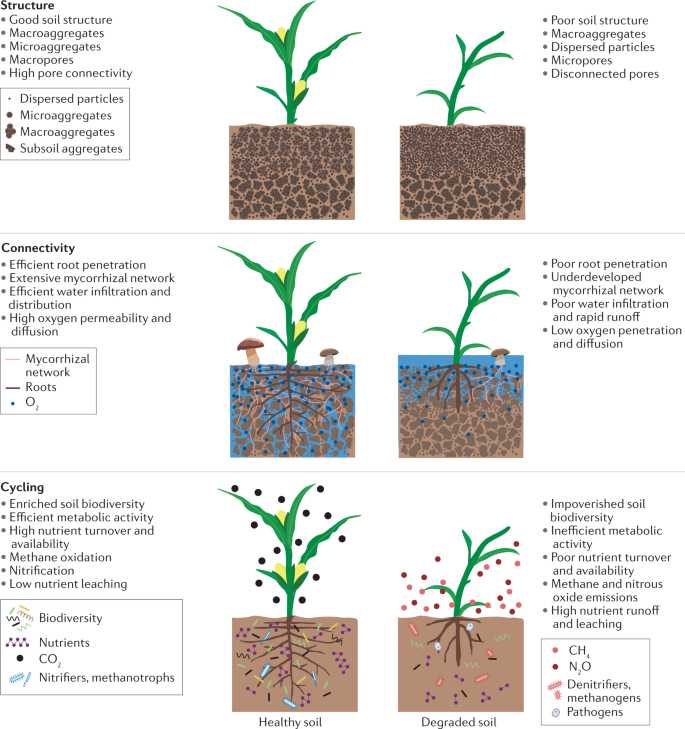
To keep soil healthy and durable in high traffic zones, applying layered protective measures like mulching, using organic soil conditioners, and installing durable surface coverings can make a world of difference. Regular aeration and minimizing compaction are also essential to preserve soil structure and prevent degradation.
Maintaining soil structure in busy areas involves reducing compaction through proper aeration, adding organic amendments to boost soil vitality, and implementing durable surface coverings that protect the soil underneath. Consistent care and strategic planning ensure the soil remains resilient, supporting healthier plant growth and reducing erosion risks.
In high traffic areas such as pathways, playgrounds, or sports fields, soil often faces constant pressure from foot traffic and machinery, which can compact and degrade its structure over time. Compact soil loses porosity, making it hard for roots to grow and water to drain properly. To keep soil healthy in these zones, it’s crucial to adopt measures that lessen the impact of traffic, like installing resilient surfacing options, aerating regularly, and enriching the soil with organic matter. These actions enhance soil resilience, improve drainage, and promote a supportive environment for plant roots, ensuring the area remains functional and vibrant despite heavy use.

How to maintain soil structure in high traffic areas
Maintaining healthy soil in places with a lot of foot or vehicle traffic is essential for plant growth and safety. When soil is heavily used, it can become compacted, which makes it difficult for roots to grow and water to soak in. Fortunately, there are simple ways to keep soil loose, nourishing, and strong despite constant use.
Understanding soil compaction and its effects
Soil compaction happens when pressure from foot traffic, vehicles, or machinery presses soil particles together tightly. This reduces pore space, making it hard for air, water, and nutrients to move freely. As a result, plants struggle to grow and the soil’s ability to drain quickly decreases.
Compacted soil can cause puddles, erosion, and poor aeration. It also leads to weaker plant roots and increased runoff, which can wash away topsoil and necessary nutrients. Recognizing signs of compaction early helps in making appropriate adjustments to soil care practices.
Strategies for preventing soil compaction
Use designated walkways and vehicle paths
Creating specific routes for foot traffic and vehicles helps protect the rest of the soil. Paving or laying gravel in these areas prevents soil from being repeatedly pressed down. This approach isolates the compacted zones from the areas needing growth or planting.
Limit heavy machinery use
Reducing the use of large equipment on high traffic soil areas minimizes pressure on the soil structure. When machinery must be used, opt for lighter models or spread out their activity over time. This limits excessive compaction.
Maintain organic matter levels
Adding organic materials such as compost and mulch enhances soil’s natural ability to resist compaction. Organic matter improves soil structure, making it more resilient against pressure and helping retain moisture.
Soil aeration techniques in high traffic zones
Mechanical aeration methods
Using tools like core aerators or spike rollers creates small holes in the soil, allowing trapped air and moisture to escape and penetrate. Regular aeration reduces compaction and promotes healthy root growth.
Manual aeration
For smaller areas, manual aerators or garden forks can be used. Simply inserting a fork into the soil and rocking it back and forth loosens compacted soil without disturbing larger areas.
Timing of aeration
Perform aeration during the growing season or during periods of dry weather. This ensures minimal disruption to plants and encourages quick recovery from aeration treatments.
Adding organic amendments for better soil health
Role of compost and mulch
Incorporating compost improves soil fertility and increases its ability to resist compaction. Mulch layers help retain moisture and protect the soil surface from being crushed by traffic.
Incorporating organic matter
Mixing compost into the soil periodically maintains a loose structure. Organic amendments break down over time, releasing vital nutrients and improving soil aggregation.
Frequency of adding amendments
Replenish organic matter at least once a year, especially in areas with high traffic. Regular addition keeps the soil alive and less prone to becoming dense and unworkable.
Utilizing ground cover and protective layers
Applying mulch and ground covers
Layers of mulch or ground cover plants shield the soil from direct traffic impact. They help reduce surface compaction and keep moisture levels stable.
Choosing the right mulch
Material options include wood chips, straw, or shredded leaves. Pick mulch that decomposes slowly and supports soil health over time.
Benefits of ground covers
Plants such as clover or creeping thyme cover bare soil, protecting it from erosion and compaction. Ground covers also add organic matter as they grow and decay.
Implementing proper watering practices
Prevent overwatering and runoff
Consistent, moderate watering keeps soil moist but not saturated. Overwatering can lead to soil compaction and erosion, especially in high traffic zones.
Watering schedule tips
Water early in the morning or late in the afternoon to minimize evaporation. Use soaker hoses or drip irrigation systems for even moisture distribution.
Monitoring soil moisture
Check soil moisture regularly using a simple probe or finger test. Adjust watering based on soil conditions to avoid compaction caused by overly saturated soil.
Planting deep-rooted vegetation in high traffic areas
Choosing resilient plant varieties
Opt for grasses or ground covers with strong, deep roots that can withstand foot and vehicle pressure. Examples include tall fescue, Bermuda grass, or creeping thyme.
Benefits of deep roots
They help break up compacted soil, improve aeration, and promote water infiltration. Deep-rooted plants also stabilize soil against erosion and compaction.
Planting considerations
Ensure proper spacing and soil preparation before planting. Regular maintenance keeps these plants healthy and resilient over time.
Monitoring and ongoing care for soil structure
Regular soil testing
Testing soil helps identify compaction levels, pH balance, and nutrient content. This information guides effective maintenance plans.
Adjusting practices based on results
If tests show high compaction, increase aeration and organic amendments. Regular monitoring helps maintain optimal soil conditions for years.
Seasonal maintenance routines
Schedule aeration, organic amendments, and planting at appropriate times of the year. Consistent care prevents long-term soil degradation.
Related topics to consider
- Proper drainage systems: Ensuring excess water doesn’t accumulate and cause additional compaction.
- Alternative surface materials: Using permeable paving or gravel to reduce soil pressure.
- Erosion control methods: Installing barriers or planting ground covers to protect soil from being washed away.
By understanding how soil compaction occurs and applying these strategies, you can preserve soil health in high traffic areas. Consistent practices like aeration, organic amendments, ground cover, and proper watering keep soil loose and productive. These steps ensure that soils remain resilient, facilitate plant growth, and maintain safety for all visitors.
Frequently Asked Questions
What soil amendments can help improve compaction in high traffic zones?
Adding organic matter such as compost or well-rotted manure can significantly enhance soil structure by increasing porosity and permeability. Incorporating lightweight amendments like gypsum helps break up compacted layers, facilitating better root penetration and water movement. Regularly mixing these amendments into the soil ensures sustained improvements in soil resilience under heavy usage.
How does proper drainage contribute to maintaining soil stability in busy areas?
Ensuring effective drainage prevents water from pooling and causing soil erosion or increased compaction. Installing drainage tiles or using gravel layers allows excess water to flow away quickly. Proper surface grading also directs runoff to designated areas, maintaining a balanced moisture level that supports soil integrity during high traffic periods.
What practices can reduce soil deterioration caused by foot traffic?
Maintaining designated pathways and walkways helps distribute foot traffic evenly, preventing overconcentration in specific areas. Using mulch or gravel on these paths minimizes soil disturbance and compaction. Periodically restricting access to vulnerable spots and encouraging the use of designated routes protect the soil structure from continuous stress.
Can vegetation help stabilize soil in high activity zones?
Yes, planting resilient ground covers or grasses with deep root systems can help bind the soil together, reducing erosion and compaction. Vegetation also aids in aerating the soil and improving its organic content, which collectively contribute to maintaining a healthy, stable soil structure despite frequent use.
What role does aeration play in preserving soil quality under heavy use?
Regular aeration creates holes in the soil, allowing air, water, and nutrients to reach the roots more effectively. This process alleviates compaction caused by frequent traffic and promotes healthy microbial activity. Implementing aeration with manual or mechanical tools keeps the soil loose and better equipped to withstand repetitive stress.
Final Thoughts
Maintaining soil structure in high traffic areas requires regular aeration to prevent compaction and preserve porosity. Adding organic matter, such as compost, improves soil fertility and stability. Implementing designated pathways reduces pressure on soil, minimizing damage. Consistent maintenance ensures the soil remains healthy and resilient, supporting continued use without degradation.