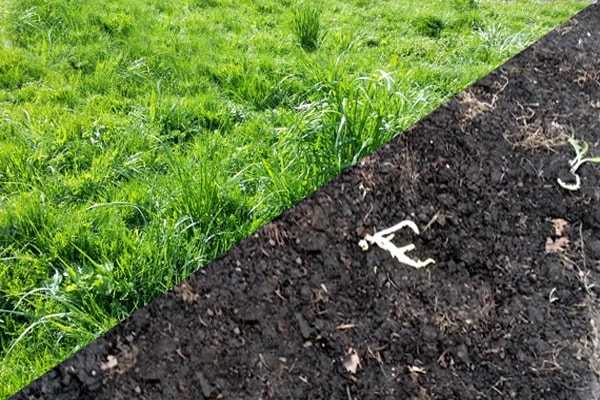
If you’re looking to kill grass quickly and effectively, there are several methods you can try. One of the simplest ways is to use a non-selective herbicide that targets all plants, including grass, or you could opt for natural solutions like vinegar or boiling water. For those who prefer a more manual approach, laying down cardboard or landscaping fabric can smother the grass, cutting off its light source. No matter the method you choose, it’s essential to consider the surrounding environment and potential effects on other plants. Let’s dive deeper into various strategies that will help you eliminate that pesky grass, so you can achieve the garden or landscape you’ve always wanted.

How to Kill Grass: The Ultimate Guide
Killing grass can be a necessary task for various reasons such as landscaping changes or tackling overgrown lawns. Whether you’re looking to replace grass with a garden or create a more minimalist outdoor space, it’s crucial to choose the right method. This guide explores multiple approaches to effectively kill grass while ensuring the health of your surrounding plants and soil.
Understanding Grass Types
Before you proceed with any elimination method, it’s important to identify the type of grass you’re dealing with. There are two primary categories of grass: cool-season and warm-season grasses.
- Cool-Season Grasses: These thrive in the northern climates and include species like Kentucky bluegrass and fescue.
- Warm-Season Grasses: Common in southern regions, examples include Bermuda and zoysia grasses.
Knowing the grass type helps determine the best time and method to kill it effectively.
Natural Methods to Kill Grass
If you prefer an eco-friendly approach, there are several natural methods to consider. These methods are generally safer for the environment and can be just as effective.
Boiling Water
Pouring boiling water directly onto grass can effectively kill it. This method works best on small patches of grass. The heat destroys the plant’s cell structure, leading to a rapid demise.
Vinegar Solution
Vinegar is another natural option for killing grass. It contains acetic acid, which dries out the grass. For optimal results:
- Use a vinegar solution with a minimum of 20% acetic acid.
- Spray it during a warm, sunny day.
Salt Application
Salt can be an effective grass killer, but use it sparingly to avoid damaging surrounding plants.
- Dissolve one cup of table salt in two cups of water.
- Apply the solution directly to the grass with a spray bottle.
Chemical Solutions: Herbicides
For a more aggressive approach, chemical herbicides are available. These products are designed to kill grass quickly and effectively.
Types of Herbicides
There are two main types of herbicides:
- Non-selective Herbicides: These kill all plants they come in contact with, making them ideal for total grass removal.
- Selective Herbicides: These target specific grass types while leaving other plants unharmed.
Application Tips
When using herbicides, follow these guidelines for safety and effectiveness:
- Wear protective clothing, including gloves and a mask.
- Choose a dry, calm day to prevent drift onto desirable plants.
- Follow the manufacturer’s instructions carefully.
Smothering Grass: Sheet Mulching
One effective method to kill grass is by smothering it. This technique involves covering the grass with materials that block sunlight.
Materials for Sheet Mulching
Common materials for this method include:
- Cardboard or newspaper
- Wood chips
- Straw or hay
Steps to Smother Grass
To successfully smother grass:
- Cut the grass as short as possible.
- Lay down cardboard or newspaper to block sunlight.
- Add a thick layer of mulch to prevent any light from reaching the grass.
This method requires time but is effective and beneficial for the soil.
Timing is Key
The timing of your grass-killing efforts can greatly affect the outcome.
Best Seasons for Grass Elimination
Generally, the best times to kill grass are:
- Spring: Newly emerging grass is more susceptible to herbicides and natural methods.
- Fall: This is a great time to kill grass as it prepares for dormancy.
Maintaining Your New Landscape
Once the grass is dead, you need to consider the next steps for your landscape.
Soil Preparation
Prepare the soil for whatever new plants you intend to grow. Ensure you:
- Remove dead grass and debris from the area.
- Till the soil to improve aeration and drainage.
Choosing New Plants
Select plants that suit your climate and soil type. Research native plants that require less maintenance and resources.
Common Mistakes to Avoid
It’s important to steer clear of common pitfalls while killing grass.
Overusing Chemicals
Using too much herbicide can harm the surrounding ecosystem. Always follow the recommended rates for application.
Ignoring Weather Conditions
Applying treatments during wet or overly windy conditions can lead to poor outcomes. Always check the forecast before proceeding.
Grass Regrowth and Management
After killing grass, you may notice some regrowth. Here are tips to handle this situation.
Regular Monitoring
Keep an eye on the area for any signs of grass returning. Spot treat any resurgence promptly.
Reapplication of Methods
In cases of stubborn grass, you may need to reapply your chosen method. Persistence is key for full elimination.
Creating a Grass-Free Zone
Now that you have successfully killed the grass, consider how to permanently maintain a grass-free area.
Design Ideas
Here are some design ideas for your new space:
- Flower beds with native plants
- Ground covers that require little maintenance
- Rock gardens for a low-water option
Long-term Care
Maintain your garden area by ensuring proper watering, mulching, and weeding. This will keep the area healthy and vibrant.
Killing grass can be an essential part of modifying your landscape. By understanding your options and planning accordingly, you can achieve the desired outcome while ensuring a healthy environment for future plants.
Kill Grass with Vinegar 😎
Frequently Asked Questions
What methods can effectively remove unwanted grass from my garden?
You can effectively remove unwanted grass using several methods. Manual removal involves pulling out grass by the roots. For larger areas, consider using a hoe or shovel to dig it out. Additionally, applying mulch can smother the grass. Chemical herbicides are another option; select one that targets the specific grass type and follow the manufacturer’s instructions carefully.
How can I prepare an area to prevent grass from growing back?
To prevent grass from regrowing, prepare the area by removing all plant material and roots thoroughly. Next, cover the soil with landscape fabric or a thick layer of mulch to block sunlight. You can also consider using a pre-emergent herbicide to prevent future grass seeds from germinating.
Is there a natural way to kill grass without chemicals?
Yes, natural methods exist to kill grass without using chemicals. You can pour boiling water over the grass, as the heat will effectively kill it. Vinegar, particularly those with high acetic acid content, can also work well. Just spray it directly onto the grass on a sunny day for the best results.
What time of year is best for killing grass?
The best time to kill grass is during its active growing season, typically in late spring or early summer. Grass is more vulnerable during this period due to its growth cycle and higher moisture content. Avoid attempting to kill grass during dormancy in the fall or winter for better effectiveness.
Will killing grass affect the surrounding plants?
Killing grass can potentially affect surrounding plants, especially if using chemical herbicides. To minimize damage, apply the herbicide carefully, avoiding direct contact with nearby plants. If using natural methods, such as boiling water or vinegar, be extra cautious to target only the grass to prevent harming desired vegetation.
Final Thoughts
To effectively kill grass, consider various methods like using herbicides, applying salt solutions, or covering it with cardboard. Each approach targets grass at its roots, ensuring a complete kill.
Always remember to protect surrounding plants when using chemicals. Natural methods could also be a safer, eco-friendly option for your garden.
In summary, understanding how to kill grass allows you to maintain a healthy landscape while controlling unwanted growth effectively. Choose the method that best suits your needs, and enjoy a grass-free area.