Quick Answer: Yard Drainage Solutions You Can Do Yourself
Are you tired of dealing with a soggy and waterlogged yard every time it rains? Don’t worry, we’ve got you covered! In this blog article, we will explore some practical yard drainage solutions that you can easily implement yourself. Whether it’s pooling water, erosion, or flooded landscapes, we’ll provide you with simple DIY techniques to help solve these common yard drainage issues.
No one wants to have a yard that resembles a swamp, right? That’s why it’s essential to address these problems as soon as possible. By following these do-it-yourself solutions, you can ensure that your yard remains dry and well-drained, no matter the weather conditions.
So, if you’re ready to take control of your yard’s drainage and transform it into a beautiful and functional space, let’s dive right in! Keep reading to discover effective strategies that will make your yard a haven, even during heavy rainfall.

Yard Drainage Solutions You Can Do Yourself
Identifying Drainage Issues in Your Yard
When it comes to maintaining a healthy and functional yard, proper drainage is essential. If you have noticed pooling water or soggy areas in your yard after rainstorms, it may be a sign of drainage issues. These problems can not only make your yard unsightly but also lead to structural damage, mold growth, and even affect the health of your plants. To tackle these problems effectively, it’s crucial to first identify the underlying causes of poor drainage. Here are some common signs and issues to look out for:
1. Puddles or standing water: Take note of any areas where water accumulates and remains for an extended period after rainfall.
2. Erosion or soil displacement: Notice if there are any areas where the soil has been washed away or eroded due to excessive water flow.
3. Soggy or damp spots: Walk around your yard and feel for any areas where the ground feels excessively wet or soggy.
4. Downspout issues: Check your gutter downspouts to see if they are properly directing water away from your foundation.
Assessing Your Yard’s Natural Slope
One of the first steps in addressing drainage issues in your yard is to assess the natural slope of your property. The slope determines how water naturally flows across your yard and can indicate where the problem areas are. Here’s how you can assess your yard’s slope:
1. Start by identifying the highest point in your yard and the lowest point. This will help you determine the overall slope of your property.
2. Use a string level or a laser level to measure the difference in height between the highest and lowest points. This will give you a better understanding of the slope’s severity.
3. Observe how water flows during a rainstorm. Pay attention to the direction and speed of water runoff, as well as any problem areas where water accumulates.
By understanding your yard’s natural slope, you can plan more effectively when implementing drainage solutions.
Implementing DIY Yard Drainage Solutions
Now that you have identified the drainage issues and assessed your yard’s slope, it’s time to explore some do-it-yourself solutions. These DIY techniques can help improve your yard’s drainage and prevent future water-related problems. Here are some effective options to consider:
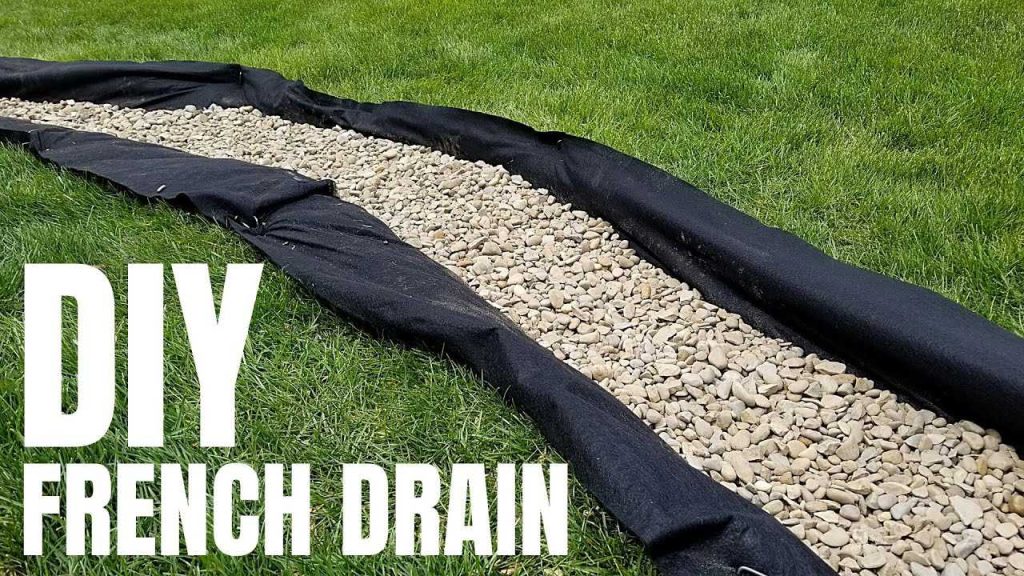
1. French Drains: A French drain is a trench filled with gravel or rock that helps redirect water away from problem areas. It works by collecting and channeling water through the gravel and into a perforated pipe, which then leads the water to a designated drainage area.
2. Dry Wells: Dry wells are underground chambers that collect and store excess water from your yard. They are particularly useful in areas with high water tables or heavy clay soils. The dry well allows the water to slowly infiltrate the surrounding soil, preventing waterlogging.
3. Swales: A swale is a shallow, wide trench designed to redirect water flow. By creating a gentle slope in the swale, you can guide excess water towards a desired drainage point. Swales can be utilized to direct water away from foundations, gardens, or other vulnerable areas.
4. Downspout Extensions: Ensure that your downspouts are extended away from your foundation to prevent water from pooling near your home. Use flexible downspout extensions that can be adjusted to direct water to a suitable drainage area.
5. Rain Gardens: Consider creating a rain garden in low-lying areas of your yard. Rain gardens are designed to collect and absorb rainwater, reducing runoff and promoting the growth of water-tolerant plants. They can be an aesthetically pleasing and sustainable solution to drainage issues.
6. Grading and Leveling: If the natural slope of your yard is not sufficient for proper drainage, you may need to make adjustments by adding or removing soil. Grading and leveling the terrain can help redirect water away from problem areas and ensure proper drainage.
Maintaining Your Yard’s Drainage System
Once you have implemented your DIY drainage solutions, it’s important to regularly maintain and monitor your yard’s drainage system. Here are some tips to keep in mind:
1. Clean out gutters and downspouts regularly to prevent clogging and ensure proper water flow.
2. Check for any signs of erosion or soil displacement and address them promptly to prevent further damage.
3. Monitor the performance of your drainage system after heavy rainfall and make adjustments as needed.
4. Regularly inspect your rain garden and remove any debris or invasive plants that may interfere with its effectiveness.
5. Consider adding additional drainage solutions, such as catch basins or permeable paving, if necessary.
By staying proactive and attentive to your yard’s drainage, you can prevent future issues and maintain a healthy outdoor space.
In conclusion, addressing yard drainage issues is crucial for maintaining the health and functionality of your property. By identifying the signs of poor drainage, assessing your yard’s natural slope, and implementing practical DIY solutions, you can effectively manage water runoff and prevent potential problems. Regular maintenance and monitoring of your drainage system will ensure long-term success and help create a beautiful, well-drained yard. So, roll up your sleeves, grab your tools, and unleash your inner DIY enthusiast to tackle those yard drainage challenges!
Do it Yourself, French Drain, Under $60.00
Frequently Asked Questions
What are some common yard drainage problems?
Common yard drainage problems include standing water, water pooling near the house foundation, erosion, and soggy areas. These issues can lead to a variety of problems such as water damage, mosquito breeding grounds, and unhealthy plant growth.
Why is it important to solve yard drainage problems?
Solving yard drainage problems is crucial to maintain the health and aesthetics of your landscape. Proper drainage prevents water damage to your home, protects the foundation, and prevents soil erosion. It also helps to maintain healthy plant growth and reduces the risk of pests and diseases.
What are some do-it-yourself yard drainage solutions?
There are several DIY yard drainage solutions you can consider:
- Installing a French drain: This involves digging a trench, laying a perforated pipe, and covering it with gravel to redirect water away from problem areas.
- Creating a dry creek bed: This decorative solution involves digging a shallow trench and lining it with rocks to mimic a natural streambed, allowing water to flow through.
- Constructing a rain garden: This involves creating a depressed area in your yard with native plants that can absorb excess water and filter pollutants.
- Using downspout extensions: By adding downspout extensions or redirecting the flow of downspouts, you can prevent water from pooling near your foundation.
What factors should I consider when choosing a yard drainage solution?
When choosing a yard drainage solution, consider the slope of your yard, the severity of the drainage problem, the proximity to your home’s foundation, and the local regulations regarding drainage systems. It’s also important to assess the soil type and the amount of rainfall your area receives to determine the most effective solution.
Do I need professional help for yard drainage solutions?
In many cases, you can successfully implement yard drainage solutions on your own. However, if the drainage problem is complex or if you are unsure about the best approach, consulting a professional landscaper or drainage contractor is advisable. They can provide expert advice and ensure the proper installation of drainage systems.
Final Thoughts
Yard drainage issues can be a major headache for homeowners, but there are effective solutions that you can implement yourself. By addressing the problem early on and considering the natural slope of your yard, you can prevent water pooling and potential damage to your property. Installing French drains or dry wells, adding a swale or a rain garden, and improving soil infiltration can all help to manage excess water. With these yard drainage solutions, you can take control of the situation and maintain a dry and functional outdoor space. So, why not tackle your yard drainage problems head-on?