Keeping grass out of your garden can be a simple task if you follow a few effective strategies. A quick solution is to lay down landscaping fabric or mulch to create a barrier that prevents grass from creeping in. Regularly trimming the edges of your garden and maintaining a defined boundary can also help. Now, let’s dive into more details on how you can maintain your garden’s pristine look without the hassle of pesky grass invading your plants.
Establishing a strong defense against grass not only preserves the beauty of your garden but also allows your flowers and vegetables to thrive without competition. Whether you’re dealing with a small flower bed or a larger vegetable patch, there are various methods you can employ to keep that unwanted grass at bay. From physical barriers to natural deterrents, there’s a solution for every gardener.

How to Keep Grass Out of Your Garden
Maintaining a beautiful garden can be a rewarding experience, but it can also be challenging when pesky grass starts to invade your flower beds or vegetable patches. The battle against grass is one that many gardeners face. Fortunately, there are proven methods to effectively keep grass out of your garden, helping you maintain a healthy and vibrant growing space.
Understanding the Grass Problem
Before we dive into solutions, it’s essential to understand why grass becomes a problem in gardens. Grass can spread quickly, competing with your plants for nutrients, water, and sunlight. This can lead to your beloved plants struggling to survive.
Some common reasons for grass invading your garden include:
- Soil disturbance during planting and maintenance.
- Overlapping root systems with nearby grass.
- Seeds blown in by the wind or carried by animals.
Recognizing these causes helps when formulating a plan to keep grass at bay.
Use Mulch as a Barrier
One of the most effective ways to keep grass out is by using mulch. Mulch can act as a barrier that prevents grass from growing while also retaining moisture for your plants.
When applying mulch, consider the following steps:
- Choose organic materials like wood chips, straw, or shredded leaves.
- Spread a 2-4 inch layer of mulch over your garden beds.
- Avoid piling mulch against plant stems to prevent rot.
Regularly check your mulch layer and add more as needed, especially after heavy rain.
Install Edging Around Your Beds
Edging is another effective method for keeping grass out of your garden. It creates a defined boundary that limits the spread of grass. There are various materials you can use for edging:
- Plastic or metal strips.
- Wooden boards.
- Stone or brick.
Installing edging provides a neat appearance and helps keep grass from creeping into your flower or vegetable beds.
Regular Weeding Practices
Weeding is a necessary routine for any gardener. Regular weeding prevents grass from establishing roots in your garden. Here are some tips for effective weeding:
- Check your garden weekly for any signs of grass growth.
- Pull weeds out by the roots to minimize regrowth.
- Consider using a hoe to slice through the surface of the soil, cutting grass at the root level.
Make weeding a part of your gardening schedule, and it will help keep grass under control.
Preventing Seed Spread
Grass seeds can blow into your garden or be inadvertently introduced when you bring in new plants. To prevent this, consider these steps:
- Keep your lawn well-maintained to minimize seed production.
- Clean gardening tools and shoes before entering your garden.
- Use a cover crop to fill empty spaces, reducing the chances for grass to take hold.
By being proactive, you can reduce the amount of grass seed that makes it into your garden.
Using Landscape Fabrics
Landscape fabrics are excellent for preventing grass while allowing water and nutrients to pass through. Here’s how to use them effectively:
- Lay landscape fabric over the garden area you want to protect.
- Cut holes in the fabric for your existing plants.
- Secure the edges with soil, mulch, or landscaping pins.
This solution will help keep grass from taking root while supporting the health of your plants.
Choosing Grass-Resistant Plants
Selecting plants that are robust and can withstand the pressure from grass can be beneficial. Some plants naturally repel grass or are more resistant to competition:
- Choose native plants that thrive in your region.
- Consider ground covers that crowd out grass.
- Use plants with deep root systems that can compete effectively.
By choosing the right plants, you can help prevent grass invasions in the first place.
Watering Wisely
Proper watering can help control grass growth. Grass typically needs more water than many garden plants. Here’s what to do:
- Water your garden early in the morning to reduce evaporation.
- Use drip irrigation to target plant roots directly.
- Avoid over-watering, as this can encourage grass growth.
Keeping your watering practices in check can aid in keeping grass out.
Fertilization Strategies
An effective fertilization strategy can also help your garden win the battle against grass. Grass can outcompete many plants when fertilized, so it’s essential to be strategic:
- Use slow-release fertilizers targeted to your specific plants.
- Apply fertilizer in moderation to prevent grass from getting a boost.
- Test your soil to understand what nutrients your plants need.
A balanced approach can help your garden flourish while keeping unwanted grass at bay.
Consider Organic Herbicides
If grass persists despite your best efforts, organic herbicides can provide a safe alternative to chemical solutions. Here are some options to consider:
- Vinegar – It can kill grass on contact due to its acidity.
- Boiling water – Pouring it on grass will scorch it.
- Salt – Use sparingly, as it can harm your soil over time.
Make sure to apply these organic herbicides carefully to avoid harming your garden plants.
Seasonal Preparation
Preparing your garden each season can help prevent grass growth. Here are some seasonal tips:
- In spring, clear out any grass and renew mulch layers.
- During summer, monitor for new grass growth and remove it promptly.
- In fall, cover bare soil with mulch or landscape fabric to deter grass seeds.
Seasonal attention can significantly reduce the chances of grass taking over your garden.
Utilizing Hand Tools
Sometimes, the best approach is the simplest one. Hand tools can be effective in managing grass in your garden. Consider using:
- A hand trowel for digging out roots.
- A garden fork to aerate and disrupt grass growth.
- A weeding knife for precise removal of grass and weeds.
Using hand tools allows for targeted removal of pesky grass without damaging your garden.
Knowing When to Seek Help
If the grass problem becomes overwhelming, it may be time to seek professional help. Some indicators to consider include:
- Extensive grass growth choking your plants.
- A lack of time to maintain your garden properly.
- Exhaustion from continuous battling with grass.
Hiring a professional can provide you with tailored solutions and alleviate some of the pressure.
Maintaining a garden free of grass requires consistent effort and smart strategies. By implementing these methods, you can enjoy a thriving garden without the nuisance of unwanted grass. Remember that every garden is different, and it may take some experimentation to find the solutions that work best for you. Happy gardening!
The Easiest Way to Keep Grass Out Your Garden!
Frequently Asked Questions
What are effective methods to prevent grass from growing into garden beds?
To prevent grass from encroaching into your garden beds, consider using physical barriers such as landscape fabric or edging materials. Installing a border made of wood, stone, or metal can create a clear separation between your garden and the grass. Additionally, applying mulch around your plants can help suppress grass growth while retaining moisture in the soil.
How can I maintain my garden’s health while combating grass overgrowth?
Maintaining your garden’s health involves regular weeding and monitoring grass growth. Hand-pulling or using a hoe to remove grass before it seeds will help keep it at bay. Additionally, ensure your plants receive adequate nutrients and water to thrive. Healthier plants can compete better with grass for resources, reducing the chances of overgrowth.
Are there any organic methods to eliminate grass in my garden?
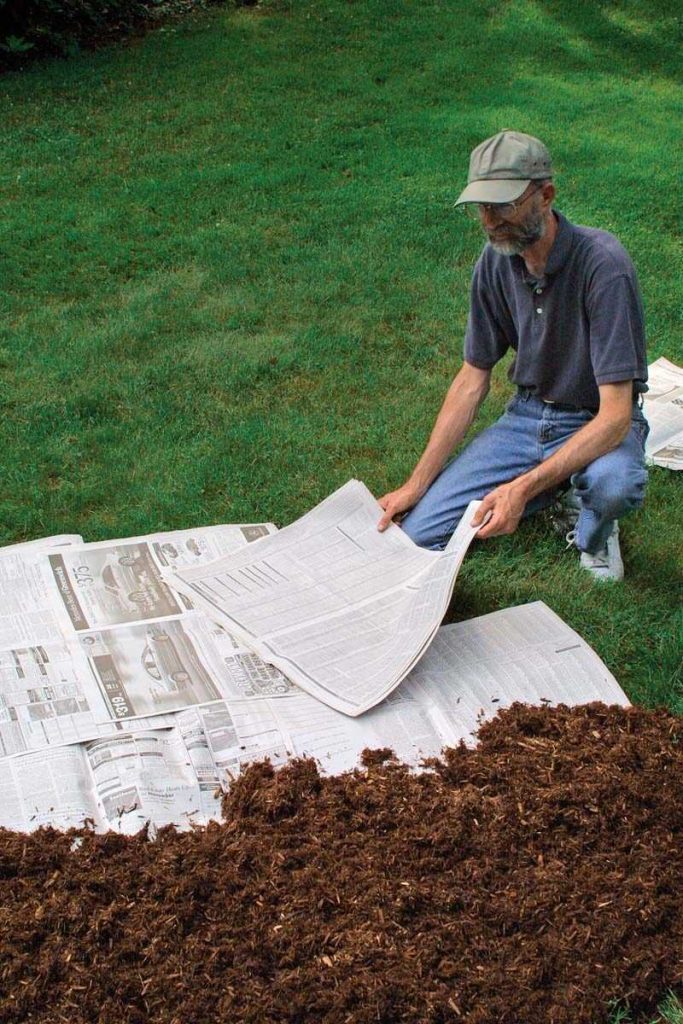
Yes, organic methods exist to eliminate grass in your garden. You can use natural weed suppressants like vinegar or boiling water to kill grass without harming your garden plants. Another option is to apply a thick layer of cardboard or newspaper over the grass, which will block sunlight and prevent it from growing while breaking down over time to enrich the soil.
How can seasonal planning help control grass growth in my garden?
Seasonal planning plays a crucial role in controlling grass growth. By planting your garden early in the spring or late in the fall, you can help establish strong plants that will crowd out grass. Additionally, adjusting your planting layout to include dense plantings can reduce the space available for grass to take root, minimizing its spread.
What tools or equipment can assist in removing grass from garden areas?
Using tools such as a garden fork, hoe, or hand weeder can effectively remove grass from your garden. A string trimmer can also help keep edges neat and clear of grass. For larger areas, consider using a sod cutter or a rototiller to remove established grass quickly and efficiently.
Final Thoughts
To keep grass out of the garden, create clear boundaries using mulch, rocks, or edging materials. These barriers prevent grass roots from spreading into your flowerbeds and vegetable patches. Regular weeding also helps maintain a tidy garden space, allowing your plants to thrive without competition.
Additionally, using landscape fabric can effectively block grass while letting water and nutrients through. Implementing these simple strategies ensures your garden remains healthy and vibrant. Remember, how to keep grass out of garden is essential for maintaining the beauty and productivity of your outdoor space.