If you’re a dog owner, you’ve probably noticed that your furry friend’s urine can wreak havoc on your beautiful lawn. The good news is that there are several effective ways to prevent dog pee from killing your grass. One of the simplest solutions is to promptly water the area where your dog has relieved themselves, which helps dilute the urine and lessen its harmful effects. Additionally, creating designated potty spots can also work wonders; this way, you can easily manage and care for those specific areas. By following these straightforward tips, you can keep your grass healthy and green while allowing your pup to do their business comfortably. Let’s dive deeper into how you can maintain a lush lawn despite your pet’s necessary bathroom breaks.

How to Keep Dog Pee from Killing Grass
Keeping your lawn green and healthy while having a dog can be a challenge. Dog urine contains nitrogen, which can be beneficial in small amounts but harmful in larger quantities. This article will explore effective methods for how to keep dog pee from killing grass, providing you with practical solutions and tips to maintain that lush greenery.
Understanding the Impact of Dog Urine on Grass
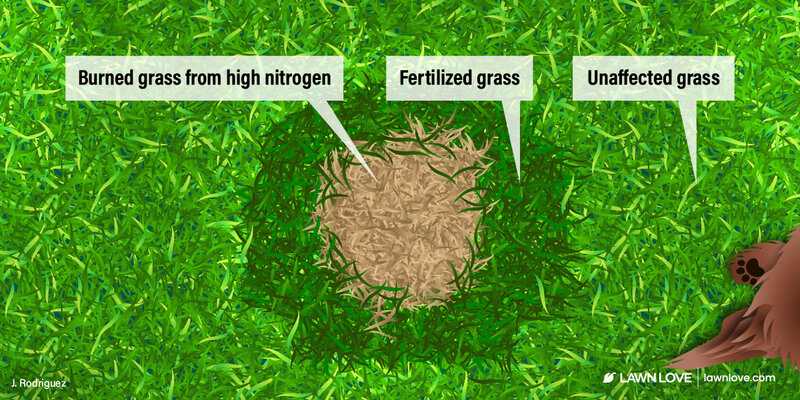
Dog urine can lead to unsightly brown spots on your lawn. The reason for this is the high concentration of nitrogen and other minerals. When your dog pees, these nutrients can overwhelm the grass.
While nitrogen is essential for grass growth, too much can burn the grass. Additionally, the pH level of the urine can affect the soil. Understanding these factors can help you devise a solid plan to protect your grass from damage.
How to Neutralize Dog Urine
One of the most effective ways to keep dog pee from killing grass is to neutralize it. Here are some methods you can try:
- Watering Immediately: After your dog pees, water the area thoroughly. This dilution method helps to wash away concentrated urine.
- Using Baking Soda: Mix baking soda with water and spray the affected area. Baking soda can help neutralize the acidity in the urine.
- Vinegar Solution: A mixture of vinegar and water can also counteract the effects. Spray this on the affected spots.
- Commercial Products: Look for enzyme-based products designed to neutralize pet odors and urine. These can be effective in protecting your grass.
Creating Dedicated Potty Areas
Another effective strategy involves designating specific areas for your dog to relieve themselves. By doing this, you can control where the urine is concentrated, thereby protecting the rest of your lawn.
- Choose a Spot: Pick a section of your yard that is less visible or less valuable for grass growth.
- Use Gravel or Mulch: Cover the area with gravel or mulch. This can absorb some of the urine and make it easier to clean.
- Encourage Use: Lead your dog to this spot consistently until they understand it’s their designated area.
Raising the pH Level of Your Soil
Since dog urine often increases the acidity of your soil, raising the pH level can help create a better environment for your grass.
- Lime Application: Adding lime to your soil can help neutralize acidity. Check soil pH levels before applying.
- Compost: Incorporate organic compost into your soil. This can balance pH and provide necessary nutrients.
Watering Routine
Establishing a consistent watering schedule can significantly reduce the damage caused by urine.
- Deep Watering: Ensure you water your lawn deeply at least once a week, especially in dry conditions.
- Frequent Light Watering: Consider lightly watering areas where your dog frequently urinates to dilute concentrations.
Diet and Hydration Solutions
Your dog’s diet can also impact the potency of their urine. A balanced diet helps maintain their health and may reduce the likelihood of damaging your grass.
- Quality Dog Food: Feed your dog high-quality food that contains fewer fillers and chemicals.
- Hydration: Ensure your dog drinks plenty of water. Increased hydration can dilute urine.
Implementing Grass Types and Lawn Care Practices
Some types of grass are more resistant to dog urine than others. Choosing the right grass and adopting proper lawn care can minimize damage.
- Resilient Grass Varieties: Choose grass types such as Kentucky Bluegrass or fescue, known for their durability.
- Regular Lawn Maintenance: Keep your lawn mowed and aerated. This promotes healthy growth and better recovery from damage.
Training Your Dog
Training your dog can also play a crucial role in reducing damage to your grass.
- Commands: Teach your dog commands like “go potty” to encourage them to use the designated area.
- Positive Reinforcement: Reward your dog when they use the appropriate area. This can reinforce the behavior.
Using Grass Repair Techniques
If you do experience brown spots, employing grass repair techniques can restore your lawn quickly.
- Reseeding: After the spots are brown, lightly rake the area and reseed with appropriate grass seed.
- Overseeding: For larger areas, consider overseeding to revitalize the lawn.
- Topdressing: Applying a layer of compost can help improve soil health and support grass growth.
Preventative Measures
Taking preventative steps can save you time and effort in lawn care.
- Frequent Walks: Take your dog for more walks. This reduces the number of times they pee in your yard.
- Alternate Potty Locations: Change up your dog’s potty spots occasionally to avoid damage in one area.
Monitoring Your Lawn Health
Regularly check the health of your lawn. Look for signs of stress or damage, such as discoloration or dryness.
- Checking Soil Moisture: Use a soil moisture meter to ensure your lawn is getting adequate water.
- Adjusting Care Routines: Adapt your watering and care routines based on the season and grass health.
Maintaining a healthy lawn while owning a dog is achievable with the right strategies. By understanding how dog urine affects grass and taking proactive steps, you can enjoy a lush, green space for both you and your furry friend. Implement these tips to keep your grass thriving and minimize any damage caused by your dog’s potty habits. You can create a beautiful lawn that everyone, including your dog, can enjoy.
How to stop the dog pee from ruining your lawn
Frequently Asked Questions
What are some effective remedies for dog urine spots on grass?
You can use several remedies to treat dog urine spots on your grass. Water the affected area immediately after your dog urinates to dilute the urine and minimize the damage. You can also apply a mixture of water and baking soda, or a vinegar solution, to neutralize the acidity of the urine. Additionally, using products specially designed to treat pet urine damage can help restore your lawn.
How can I train my dog to pee in a specific area?
To train your dog to use a designated area, take them to that spot consistently after meals, playtime, and walks. Reward them with praise or treats when they urinate in the correct location. This positive reinforcement helps reinforce the behavior. Make sure to clean any previous spots thoroughly to remove the scent, which may encourage them to return to those areas.
Are there specific dog food brands that reduce urine’s impact on grass?
Certain dog food brands include formulations that can help reduce the acidity of your dog’s urine. Look for foods that contain less protein or additives designed to lower urinary pH levels. Consult with your veterinarian to find the best dietary options for your dog that will also benefit your lawn.
What preventative measures can I take to protect my lawn?
Preventative measures include creating a designated potty area with gravel or mulch, which absorbs urine and prevents grass damage. You can also plant urine-resistant grass varieties, such as fescue or perennial ryegrass, that withstand higher nitrogen levels. Regularly watering your lawn helps dilute any urine spots and keeps the grass healthy.
How does the dog’s hydration level affect grass health?
Your dog’s hydration level significantly impacts how concentrated their urine is. Well-hydrated dogs produce more diluted urine, which is less likely to damage grass. Ensure your dog always has access to fresh water and encourage regular drinking to promote better hydration and reduce the likelihood of grass damage.
Final Thoughts
To keep dog pee from killing grass, consider training your dog to use a designated potty area. This helps concentrate the urine in one spot, reducing overall damage to your lawn.
You can also dilute the urine with water immediately after your dog pees, which minimizes its impact on grass health.
Moreover, applying lawn care products designed to neutralize pet urine can promote grass recovery.
Implementing these strategies consistently will greatly enhance your chances of keeping your lawn lush while enjoying your pet’s companionship. Focus on how to keep dog pee from killing grass for the best results.