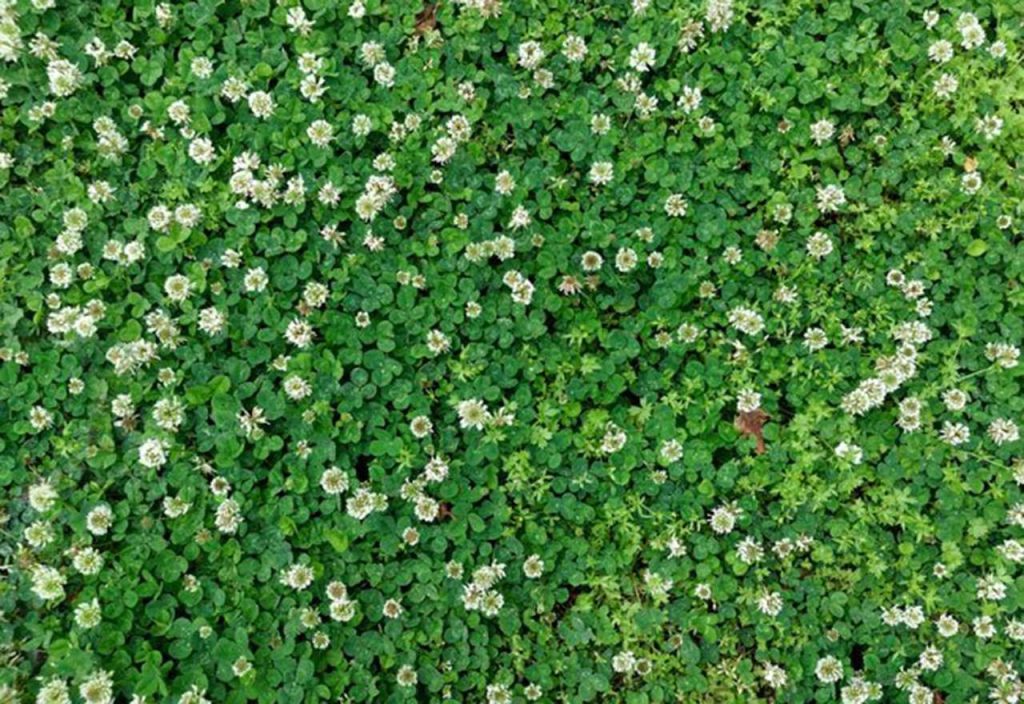
If you’re struggling with clover taking over your lawn while trying to maintain your beautiful grass, there are effective methods to eliminate clover without harming your grass. One of the best solutions is to use a selective herbicide that targets broadleaf weeds like clover while being safe for grass. Another approach is to manually remove the clover by pulling it out from the roots or using a hoe. Additionally, maintaining healthy grass through proper mowing, watering, and fertilizing can naturally outcompete clover for space and nutrients. In this blog, we’ll dive into these methods and more so you can reclaim your lawn from clover without sacrificing your grass. Let’s get started!

How to Kill Clover Without Killing Grass
Clover can be a pesky weed in your lawn that many homeowners want to eliminate. However, it can be tricky to kill clover without harming the grass that you’ve worked hard to maintain. In this article, we will break down effective strategies to deal with clover infestations while keeping your grass healthy and vibrant.
Understanding Clover
Before diving into methods to control clover, it’s important to understand what it is. Clover is a perennial plant that often thrives in lawns. Its presence indicates that your lawn might have poor soil quality or imbalances in nutrients.
Clover has a unique ability to fix nitrogen in the soil, which can actually benefit your grass. However, if you prefer a pristine lawn without clover, there are ways to tackle this issue without damaging your grass.
Identifying Clover in Your Lawn
Not all weeds are created equal. Knowing the difference between clover and your grass is crucial. Clover typically has:
- Small, round leaves that grow in groups of three.
- White or pink flowers that bloom in clusters.
- A low-growing habit that spreads quickly.
Identify clover correctly to differentiate it from desirable grass varieties, which often have longer, narrower blades.
Optimal Lawn Care Practices
Maintaining a healthy lawn is the first line of defense against clover. Follow these lawn care practices:
- **Proper Mowing:** Keep your grass at a higher cutting height to encourage growth and shade out clover.
- **Regular Watering:** Ensure your grass receives adequate water, as clover prefers dry conditions.
- **Fertilizing:** Use a nitrogen-rich fertilizer to promote grass growth, which competes with clover.
These practices will help ensure that your grass flourishes while keeping clover at bay.
Manual Removal of Clover
If your clover problem isn’t severe, consider removing it by hand. This method is labor-intensive but effective. To remove clover manually:
- **Soak the Soil:** Water the area thoroughly the day before removal to soften the ground.
- **Pull It Out:** Grasp the base of the clover plant and pull firmly to ensure you remove the roots.
- **Dispose Properly:** Bag and remove the clover to prevent it from regrowing.
This method is safe and doesn’t harm the surrounding grass.
Using Organic Herbicides
For a more hands-off approach, consider organic herbicides. These are designed to target clover without damaging your grass. Look for products that contain:
- **Vinegar:** It’s safe for grass and can kill clover on contact.
- **Corn Gluten Meal:** This natural herbicide prevents the germination of clover seeds.
Always test a small area first to ensure compatibility with your grass.
Applying Selective Herbicides
If clover is taking over your lawn, a selective herbicide may be necessary. These products specifically target clover while leaving grass unharmed. To effectively use herbicides:
- **Select the Right Product:** Look for herbicides labeled safe for your grass type.
- **Follow Label Instructions:** Always adhere to application rates and timing for the best results.
Timing is crucial. Applying herbicides during the clover’s active growth phase will yield the best results.
Encouraging Grass Growth
Sometimes, the best defense is a strong offense. Encourage thick grass growth to naturally suppress clover. Consider these strategies:
- **Overseeding:** Add grass seed to bare patches to promote denser growth.
- **Aeration:** Aerate your lawn to improve root development and nutrient absorption.
A robust lawn can outcompete clover for resources.
Understanding Environmental Factors
Environmental conditions play a significant role in weed growth, including clover. Be aware of:
- **Soil Quality:** Test your soil to check nutrient levels and pH balance.
- **Sunlight Exposure:** Clover prefers shaded areas; ensuring even sunlight can help.
Adjusting these factors can greatly influence clover growth.
Utilizing Ground Covers
In some cases, replacing grass with a more tolerant ground cover can be beneficial. Plants like creeping thyme or moss can:
- **Outcompete Clover:** These ground covers can naturally suppress clover growth.
- **Enhance Aesthetics:** They can add visual interest to your landscape.
Consider this option if clover is a persistent problem.
Regular Maintenance Routine
To keep clover at bay, establish a regular lawn maintenance routine. Regular tasks include:
- **Fertilizing:** Schedule fertilization during the growing season.
- **Mowing:** Keep a consistent mowing schedule to maintain grass health.
- **Weed Monitoring:** Regularly inspect your lawn for clover and other weeds.
A proactive approach can prevent clover infestations before they start.
Evaluating Long-Term Solutions
Sometimes, clover problems require long-term strategies. Consider implementing:
- **Lawn Renovation:** If clover is widespread, you may need to reseed your lawn.
- **Soil Amendments:** Regularly amend your soil to create a more favorable environment for grass.
These steps may take time but can lead to a healthier lawn overall.
Community Resources and Support
Don’t hesitate to seek help from local gardening communities or extension services. They can provide valuable insights specific to your area. Additional resources include:
- **Local Cooperative Extension Offices:** They offer soil testing and pest management advice.
- **Online Gardening Forums:** Join groups where you can ask questions and share experiences.
Engaging with your community can provide support and inspiration.
Incorporating these methods will ensure you can effectively manage clover without compromising the health of your grass. By understanding clover and its growth patterns, implementing proper lawn care practices, and utilizing selective methods for control, you can maintain a beautiful, clover-free lawn that you can be proud of.
How to KILL CLOVER in your LAWN
Frequently Asked Questions
What natural methods can I use to control clover in my lawn?
To control clover without harming your grass, consider using natural methods like boiling water or vinegar. Pouring boiling water directly onto clover patches will kill the clover while leaving grass intact. Vinegar, especially a high-acetic acid version, can also effectively kill clover. Apply it directly on the leaves during a sunny day for the best results. Be cautious with both methods to avoid splashing onto your grass.
How does proper lawn maintenance help in managing clover growth?
Maintaining your lawn through regular mowing, proper watering, and fertilization can significantly reduce clover growth. Keep your grass at a healthy height and ensure it gets adequate nutrients, which helps turf outcompete clover. Mowing regularly prevents clover from flowering and spreading seeds, while proper watering encourages deep grass roots that can better withstand competition.
Can using specific fertilizers help eliminate clover without harming grass?
Yes, using a nitrogen-rich fertilizer can help suppress clover growth. Clover thrives in low-nitrogen environments, so applying a nitrogen fertilizer encourages the grass to grow more vigorously, which can outcompete clover for resources. Always follow the recommended application rates to avoid burning your grass.
What preventative measures can I take to stop clover from returning?
To prevent clover from returning, focus on improving your lawn’s overall health. Aerate your soil to relieve compaction, overseed with a dense grass mix to choke out clover, and maintain a balanced pH level. Regularly monitor for clover growth and address any issues early to keep your lawn thriving.
Is there a specific time of year that’s best for targeting clover?
The best time to target clover is in the spring or early fall when the clover is actively growing. Applying treatments during these seasons allows you to catch the clover at its most vulnerable stage. Additionally, this timing can minimize any negative impact on the grass, as it is also preparing for its peak growth period.
Final Thoughts
To effectively tackle clover while preserving your grass, focus on targeted herbicides or natural solutions like vinegar. Applying these treatments precisely on clover prevents damage to surrounding grass. Maintaining a healthy lawn through proper watering and fertilization also aids in thickening the grass, which helps crowd out clover.
Consider regular mowing to keep clover from flowering and spreading. By implementing these strategies, you can successfully manage clover in your lawn. In summary, knowing how to kill clover without killing grass helps you maintain a lush, green yard while controlling unwanted weeds.