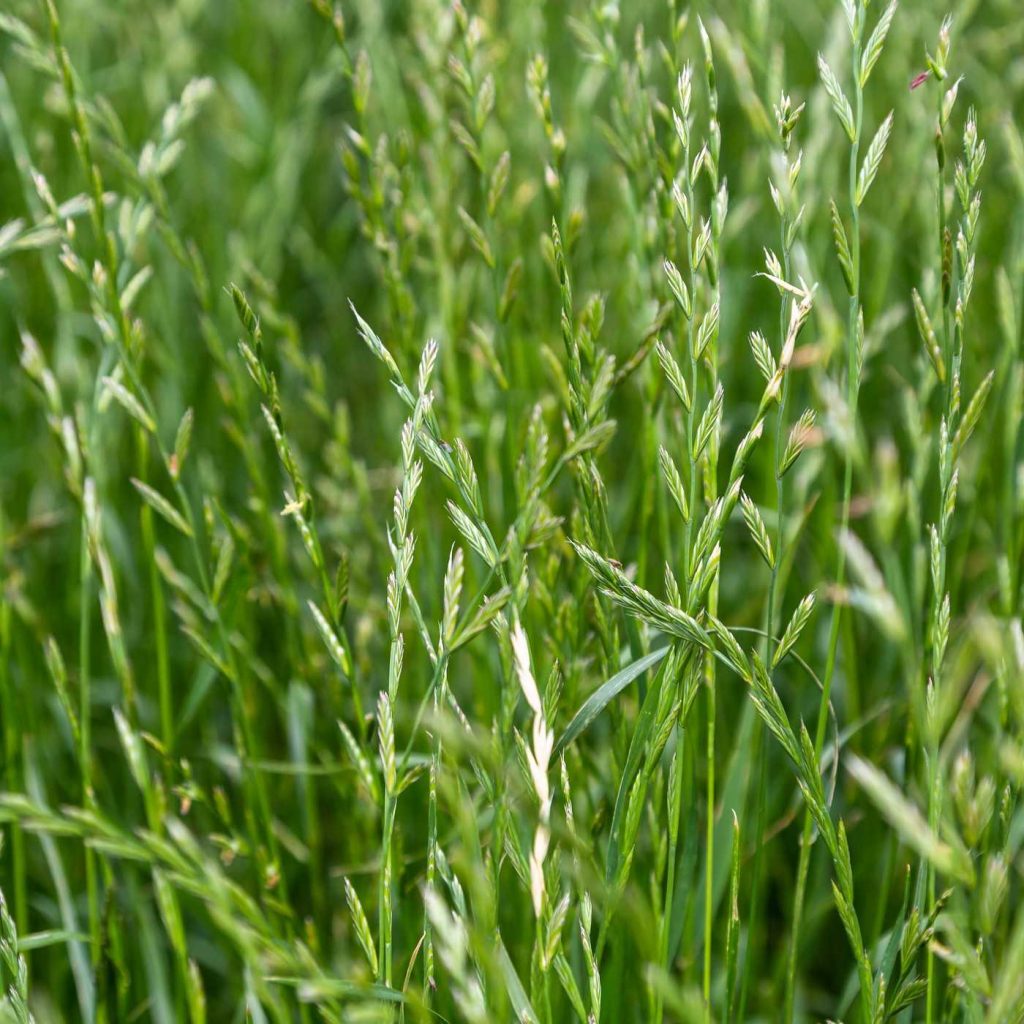
Want lush, green lawns that stay vibrant year-round? Growing perennial ryegrass is easier than you might think with the right tips and care. Keep the soil fertile, ensure proper watering, and mow regularly to keep your grass healthy and dense. With the right approach, you’ll be enjoying a beautiful, soft turf in no time!
Perennial ryegrass thrives when planted in well-drained, fertile soil and needs consistent watering and mowing to stay lush. Proper preparation, seeding at the right time, and regular maintenance are key for a thriving lawn.
Getting a stunning perennial ryegrass lawn starts with choosing the right time for planting, typically in early fall or spring when conditions are mild. Prepare your soil by removing weeds and adding compost to boost fertility. Sow the seeds evenly and keep the soil consistently moist until germination. Once established, mow regularly to maintain a dense, healthy turf, and water deeply but infrequently to encourage deep roots. Fertilize periodically to support growth, and monitor for pests or diseases. With patience and proper care, your lawn will become a resilient, beautiful green space that will impress all season long.

How to Grow Perennial Ryegrass
Understanding Perennial Ryegrass
Perennial ryegrass is a popular grass variety known for its quick growth and durability. It is commonly used for lawns, sports fields, and pastures because it creates a lush green cover. This grass type is fast-growing and establishes itself well with proper care and maintenance.
Preparing the Soil for Planting
Before planting perennial ryegrass, start by testing your soil. The soil should be well-draining and rich in nutrients. Use a soil test kit to determine pH and nutrient levels. Ideally, the soil pH should be between 5.5 and 7.0 for optimal growth.
To prepare the soil:
- Clear the area of debris, weeds, and rocks.
- Aerate the soil to loosen compacted ground for better root penetration.
- Add organic matter such as compost or aged manure to improve soil fertility.
- Level the soil surface to ensure even seed distribution and watering.
Choosing the Right Seed
Selecting quality seed is essential for healthy growth. Look for perennial ryegrass varieties suited for your climate and intended use. Check the seed label for:
- High germination rates (above 85%).
- Low weed seed content.
- Good disease resistance traits.
It is also helpful to purchase from reputable suppliers to ensure seed purity and viability. Matching the seed type with your local weather conditions will lead to better establishment.
Timing Your Planting
Timing is crucial for perennial ryegrass success. The best planting time depends on your climate zone. In most regions, early fall or early spring provides the ideal conditions. During these periods:
- Soil temperatures are suitable for germination.
- There’s less competition from weeds.
- Moisture levels are generally adequate.
Avoid planting during extreme heat or cold, as it can hinder germination and growth.
Seeding Techniques
Proper seeding methods ensure even distribution and good soil contact. You can do this by hand or with a seed spreader. For large areas, a mechanical seed spreader makes the process easier and more uniform.
Steps to seed perennial ryegrass:
- Mix seed with sand or sawdust to help spread evenly.
- Spread seed uniformly over the prepared soil.
- Lightly rake or roll the area to press the seed into the soil.
- Water gently immediately after seeding to keep the soil moist.
Maintaining consistent moisture is critical during germination, which typically takes 7 to 14 days.
Watering and Care During Establishment
Keep the soil consistently moist but not waterlogged for the first few weeks. Water deeply and frequently, especially during dry spells. Once established:
- Reduce watering frequency but increase depth to promote deep roots.
- Ensure the grass receives at least 1 inch of water weekly.
- Use a sprinkler or irrigation system for even coverage.
Regular watering aids in seed germination and helps develop strong roots, essential for drought resistance later.
Fertilizing for Growth
Fertilizer application supports quick establishment and healthy growth. Apply a balanced fertilizer rich in nitrogen, phosphorus, and potassium. Basic guidelines include:
- Apply an initial fertilizer at planting time.
- Follow up with light, frequent feedings every six to eight weeks.
- Avoid over-fertilizing, which can lead to thatch buildup or disease problems.
Testing your soil regularly helps you fine-tune fertilization for the best results.
Managing Weeds and Pests
Keeping weeds in check prevents competition for nutrients and water. Use pre-emergent weed control if necessary before planting. Post-emergent herbicides may be used cautiously once grass is established.
Common pests:
- Armyworms
- Cutworms
- Chinch bugs
Regular inspection helps detect issues early. Use appropriate organic or chemical controls if pests become problematic.
Maintaining Your Perennial Ryegrass Lawn
Proper maintenance keeps your lawn healthy and attractive. Mowing should be done regularly, keeping the grass height between 2.5 to 3 inches. This encourages dense growth and reduces weed invasion.
Other maintenance practices:
- Water deeply once or twice a week, depending on weather conditions.
- Apply fertilizer according to growth cycles.
- Overseed annually in fall to fill in thin spots and promote density.
Aeration and dethatching can improve air circulation and nutrient uptake, supporting the lawn’s longevity.
Overseeding and Repair
Overseeding helps maintain a lush appearance and repair damage. Spread seed evenly over existing grass in early spring or fall. Ensure the soil is moist and lightly raked to improve seed-soil contact.
Steps for overseeding:
- Mow existing grass short to reduce competition.
- Rake to loosen the soil surface.
- Spread seed evenly with a seed spreader.
- Water thoroughly after seeding.
Regular watering and proper care will help new seedlings establish quickly.
Dealing with Challenges
Common challenges include drought, disease, and pests. Drought stress can be mitigated with deep watering and selecting drought-tolerant varieties. Disease issues like rust or dollar spot require proper fertilization and good air circulation.
Pest management includes:
- Maintaining a healthy, dense lawn.
- Applying appropriate pest controls as needed.
- Practicing crop rotation or fallowing to reduce pest buildup.
Consistent care and monitoring prevent most problems from becoming severe.
Related Topics: Lawn Renovation and Sustainable Practices
If your lawn is tired or damaged, consider renovating through overseeding or soil amendment. Sustainable practices such as composting and organic fertilization promote a healthier environment while growing perennial ryegrass.
Regularly testing soil, reducing chemical use, and practicing responsible watering help maintain a resilient lawn. These approaches make your effort sustainable and more enjoyable.
By following these detailed steps, you can grow a thriving perennial ryegrass lawn that provides lush, green cover throughout the year. Proper preparation, planting, and ongoing maintenance ensure your grass remains healthy and attractive season after season.
Perennial Ryegrass Pros and Cons
Frequently Asked Questions
What is the best time of year to plant perennial ryegrass?
Perennial ryegrass thrives when sown during the cooler months of fall or early spring. Planting in early fall allows roots to establish before winter, while early spring provides ideal conditions for rapid growth. Avoid planting during hot summer months, as high temperatures can hinder germination and lead to poor establishment.
How can I prepare the soil to ensure healthy growth of perennial ryegrass?
Start by testing your soil’s pH; perennial ryegrass prefers a pH between 5.5 and 7.5. Clear the area of weeds, rocks, and debris, then loosen the soil to a depth of about 2-3 inches using a garden rake or tiller. Incorporate organic matter or compost to improve fertility and drainage. Level the surface to create a smooth, even seedbed, which helps ensure uniform germination.
What watering practices support the successful establishment of perennial ryegrass?
Keep the soil consistently moist but not waterlogged during germination and early growth. Water lightly multiple times a day if needed, especially during dry or windy conditions. Once the grass establishes, reduce frequency but increase the depth of watering to encourage deeper roots. Proper watering helps prevent stress and promotes early development.
Are there specific fertilizers I should use when growing perennial ryegrass?
Apply a balanced, nitrogen-rich fertilizer to promote healthy leaf growth. It’s best to fertilize about 4-6 weeks after planting, along with regular light feedings during the growing season. Use a fertilizer suited to your soil type and follow recommended application rates to avoid over-fertilization, which can lead to disease or excessive thatch buildup.
How can I maintain perennial ryegrass to ensure its longevity?
Maintain perennial ryegrass through regular mowing, keeping the grass at about 2-3 inches tall to promote dense growth. Aerate the soil annually to improve air and nutrient penetration, especially in compacted areas. Overseed annually to fill in thin patches, and control weeds and pests promptly to prevent competition. Proper maintenance will support healthy, long-lasting turf.
Final Thoughts
To grow perennial ryegrass successfully, start with well-drained soil and choose a sunny spot. Sow the seeds evenly and keep the soil consistently moist during germination. Regular mowing and fertilizing promote healthy growth.
Consistent care ensures a lush, durable lawn. Proper watering, mowing at the right height, and seasonal fertilization are key.
In summary, how to grow perennial ryegrass involves preparing the soil, sowing carefully, and maintaining regular care. Focus on these steps to achieve a thriving, resilient turf.