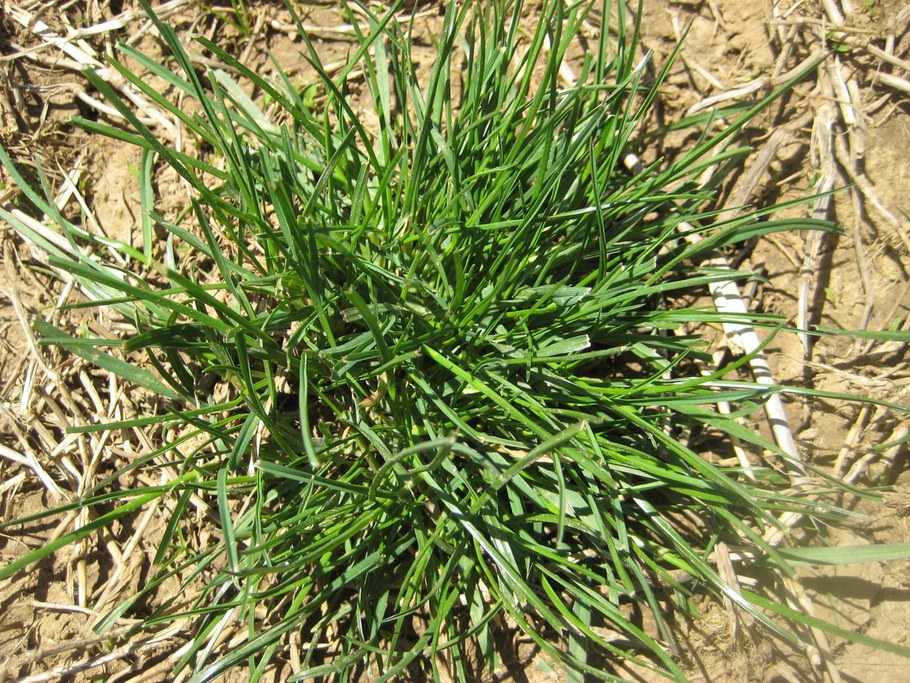
To quickly identify perennial ryegrass, look for its fine-textured leaves with shiny green blades, a bunch-forming growth pattern, and a preference for cooler climates. It’s a popular choice for lawns and pastures because of its dense, lush appearance and resilience.
Perennial ryegrass is easy to spot once you know what to look for. It thrives in temperate regions, forming dense patches that stay green year-round, especially in the cooler months. Its narrow, shiny leaves and fine texture give it a distinctive look among grasses. Whether you’re landscaping or managing a pasture, recognizing these features can help you distinguish perennial ryegrass from other grasses. With a little attention to its growth habits and leaf characteristics, you’ll be an expert in no time. This knowledge is essential for selecting the right grass for your lawn or pasture to ensure healthy, vibrant growth.

How to Identify Perennial Ryegrass
Perennial ryegrass is a popular grass type used for lawns, sports fields, and pastures. Knowing how to identify it helps you care for it properly and choose the right grass for your space. This guide will walk you through the key features that make perennial ryegrass stand out.
Understanding the Basic Characteristics of Perennial Ryegrass
Perennial ryegrass is a cool-season grass that stays green for most of the year. It grows quickly and forms dense, lush lawns.
Its leaves are usually narrow and fine-textured, giving the grass a soft appearance. The plant spreads through both seeds and underground roots called rhizomes, which help it fill in bare spots.
Growth Habit and Density
This grass has a vigorous growth habit, often forming mat-like layers that feel plush and soft underfoot. It spreads rapidly in favorable conditions, creating a thick turf.
Color and Appearance
Perennial ryegrass features a vibrant, bright green color that stays consistent throughout the growing season. Its blades are shiny and smooth, adding to its visual appeal.
Leaf Blade Characteristics
The blades of perennial ryegrass are distinctive and easy to recognize. They are usually between 1 and 4 millimeters wide, making them narrower than many other grasses.
- Color: Bright to medium green
- Texture: Fine and smooth
- Shape: Narrow, linear blades
Vein Pattern
Each leaf blade has a single prominent vein running down the center, giving it a slightly ribbed feel. This vein makes the leaf more rigid and helps identify it easily.
Seed Head and Flowering
During the flowering season, perennial ryegrass produces distinctive seed heads that are key identification features.
Seed Head Appearance
The seed heads are narrow, spike-like structures that can be seen rising above the foliage. They are usually between 5 and 15 centimeters tall.
- Shape: Cylindrical spikes
- Color: Usually greenish with a hint of purple or brown when mature
- Arrangement: Dense clusters of tiny florets
Blooming Time
Perennial ryegrass typically flowers in spring and early summer. Recognizing the seed head at this stage confirms identification.
Plant Structure and Root System
The overall structure of perennial ryegrass plays a role in its identification. It forms a dense turf with a fine-textured leaf and a robust root system.
Root Characteristics
The roots are fibrous and spread extensively underground, helping it recover from drought and foot traffic. This extensive network also makes it resistant to erosion.
Stem and Leaf Sheath
The stems are slender and upright, with leaf sheaths wrapping around the stem base. These sheaths are smooth and not overly prominent.
Comparing Perennial Ryegrass to Similar Grasses
It is important to distinguish perennial ryegrass from grasses with similar features, such as tall fescue or Kentucky bluegrass.
Perennial Ryegrass vs Tall Fescue
| Feature | Perennial Ryegrass | Tall Fescue |
|---|---|---|
| Blade Width | 1-4 mm (narrow) | 6-12 mm (wider) |
| Color | Bright green | Darker green |
| Seed Head | Single dense spike | Loose, fluffy seed head |
| Growth Pattern | Rapid, dense turf | Prone to clumping, coarser texture |
Perennial Ryegrass vs Kentucky Bluegrass
| Feature | Perennial Ryegrass | Kentucky Bluegrass |
|---|---|---|
| Blade Texture | Fine and shiny | Coarser and softer |
| Color | Bright green | Blue-green hue |
| Seed Head | Spike-like, narrow | Broad, spreading seed heads |
| Growth Habit | Dense, quick spreading | Slower, spreading through rhizomes |
Environmental Preferences and Growth Conditions
Identifying perennial ryegrass also involves understanding its preferred growing conditions. It thrives in cooler climates with adequate moisture.
Soil Type and pH
This grass prefers well-draining soils with a pH between 5.5 and 7.5. It adapts well to various soil textures but performs best in loamy soils.
Sunlight and Shade
Perennial ryegrass grows best with full sun but can tolerate some shade. Too much shade may cause thinning of the turf.
Water and Maintenance Needs
Regular watering keeps perennial ryegrass lush and green. It requires occasional fertilization and mowing to maintain its dense growth and vibrant color.
Common Signs of Perennial Ryegrass Presence
Besides visual features, certain signs indicate the presence of perennial ryegrass in a lawn or pasture.
- Fast germination after reseeding
- Lush, uniform green color throughout the year
- Resilience to foot traffic
- Ability to recover quickly from damage
Practical Tips for Collecting and Identifying Ryegrass
To verify if a grass is perennial ryegrass, you can examine it up close or take a sample for analysis.
Collecting a Sample
Use scissors or a small knife to cut a piece of the grass. Observe the leaf blades, seed heads, and root system carefully.
Using a Magnifying Glass
A magnifying glass can help you see the fine details of the seed head and leaf veins more clearly.
Consulting Resources and Experts
If unsure, take your sample to a local nursery or extension office. Experts can confirm if it is perennial ryegrass based on its features.
By paying close attention to these details, you can confidently identify perennial ryegrass and understand its growth characteristics. Recognizing the plant’s unique features helps in making informed decisions about lawn care or pasture management. Remember, the key features include its fine, shiny leaves, distinctive seed head, rapid growth habit, and vibrant color. Accurate identification enables better turf management and helps you achieve a healthy, lush lawn or pasture that thrives in your climate conditions.
Perennial Ryegrass Identification
Frequently Asked Questions
What are the key physical features to identify perennial ryegrass?
Perennial ryegrass has fine, narrow leaves with a shiny surface and a vibrant green color. The grass blades are typically smooth and grow in dense bunches. Its leaf blades are usually around 4 to 10 millimeters wide, and the plant exhibits a fine texture compared to other grasses. The stems are slender and produce a soft, lush turf that is often used on sports fields and lawns.
How can I tell perennial ryegrass apart from other similar grasses?
Perennial ryegrass can be distinguished by its fine-textured blades and bright green hue. Unlike fescues or Kentucky bluegrass, it tends to have a more vigorous, rapid growth habit. Its seed heads are typically spike-like with fine, closely packed florets. When mature, the grass exhibits a dense, uniform appearance, making it stand out from coarser or more irregular grasses.
What seasonal changes help in identifying perennial ryegrass?
Perennial ryegrass remains green throughout most of the year in mild climates, even in colder seasons. During spring and fall, you’ll notice a thick, lush growth. In winter, especially in warmer regions, it often retains its color better than other cool-season grasses. The grass’s ability to recover quickly after wear or drought also makes it easy to recognize over different seasons.
Are there any specific root or growth patterns to look for in perennial ryegrass?
Yes, perennial ryegrass develops shallow root systems but spreads through tillering, where new shoots emerge from the base of existing plants. This growth pattern results in a dense turf with a fine texture. When you examine the base of the grass, you’ll see slender, upright shoots that give the plant a clumping yet interconnected appearance, which helps distinguish it from wider-spreading grasses.
What advice can help me identify perennial ryegrass in mixed grass areas?
In areas with mixed grasses, look for patches of fine, bright green turf with uniform blade size. Perennial ryegrass tends to dominate in cooler months and forms dense mats that crowd out competitors. You can also gently examine the grass blades — their smooth, shiny surface and narrow shape are characteristic. Additionally, during flowering, the spike-like seed heads with fine florets are a telltale sign.
Final Thoughts
To identify perennial ryegrass, examine its blade color, which is usually bright green. The grass has fine, narrow leaves with a shiny surface. It produces dense mats and grows quickly in cool, moist conditions. Focus on these traits when scouting for this popular grass type.
In conclusion, how to identify perennial ryegrass involves observing its vibrant green color, fine texture, and rapid growth. Recognizing these features helps distinguish it from other grasses effectively.