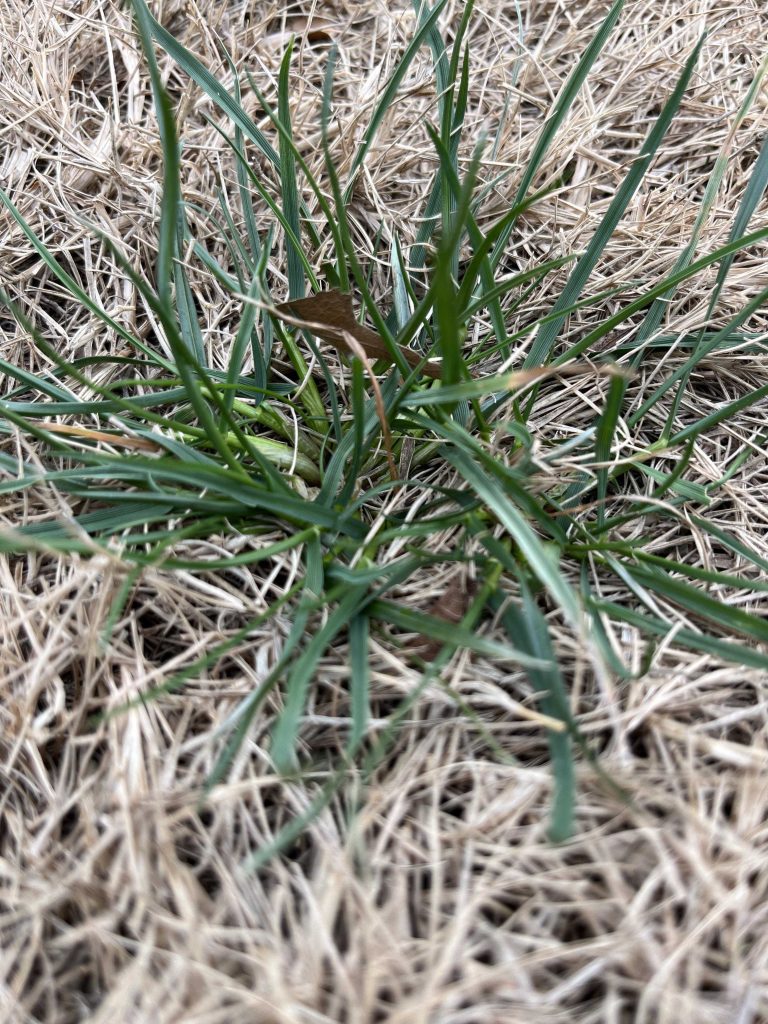
To quickly green up your Bermuda grass, ensure proper watering, fertilize with a nitrogen-rich turf fertilizer, and aerate your lawn to improve soil health. Regular maintenance combined with these steps will transform dull, yellow patches into lush, vibrant turf.
If you’re tired of looking at dull, patchy Bermuda grass, there’s good news—you can bring it back to life with a few simple tips. First, make sure your lawn gets enough water, especially during hot months, as dry soil can turn grass yellow. Next, feed your lawn with a nitrogen-rich fertilizer to promote healthy green growth. Aeration is also key, as it helps oxygen and nutrients reach the roots more effectively. Finally, keep a close eye on pests and weeds that may be stealing nutrients away from your grass. With consistent care and these easy steps, your Bermuda grass will turn into a lush, inviting green space you’ll love to show off.

How to Green Up Bermuda Grass: A Complete Guide
Understanding Why Bermuda Grass Turns Pale
Bermuda grass is a warm-season grass that thrives in hot weather. When it turns pale or dull, it often signals nutrient deficiencies or improper maintenance. Recognizing the cause helps you take the right steps to restore its vibrant green color.
Assessing Soil Health and Nutrient Levels
Healthy Bermuda grass depends heavily on balanced soil nutrients. Soil testing provides a clear picture of pH levels and nutrient content like nitrogen, phosphorus, and potassium. Ideally, the soil should have a pH between 5.8 and 6.5 for optimal growth.
How to Conduct a Soil Test
- Collect soil samples from multiple spots in your lawn.
- Use a soil test kit or send samples to a local lab.
- Analyze the results to identify nutrient deficiencies or pH imbalances.
Adjust soil conditions based on test results to promote lush, green Bermuda grass.
Proper Fertilization for a Green Lawn
Fertilizer plays a pivotal role in maintaining a healthy, green Bermuda grass. Regular feeding provides essential nutrients that stimulate growth and color.
Selecting the Right Fertilizer
- Use a fertilizer high in nitrogen, such as a 16-4-8 or similar ratio.
- Choose slow-release formulas to provide steady nutrition over time.
- Follow the manufacturer’s instructions to avoid over-fertilizing.
Fertilizer Application Tips
- Apply fertilizer during the grass’s active growing season, typically in late spring and summer.
- Water the lawn after fertilization to help nutrients penetrate the soil.
- Avoid fertilizing during extreme heat to prevent stress on the grass.
Watering Strategies for Optimal Green Color
Proper watering encourages deep root growth and maintains vibrant green grass. Bermuda grass requires consistent moisture but also good drainage.
How Much Water Does Bermuda Need?
Bermuda grass prefers about 1 to 1.5 inches of water weekly, either from rainfall or supplemental irrigation. Deep, infrequent watering promotes healthier roots compared to shallow, daily watering.
Best Practices for Watering
- Water early in the morning to reduce evaporation and fungal diseases.
- Use sprinklers that deliver even coverage across the lawn.
- Adjust watering frequency based on weather conditions and soil moisture levels.
Managing Mowing for Better Color
Mowing height influences the health and appearance of Bermuda grass. Cutting too low or irregularly can lead to discoloration.
Ideal Mowing Height
Keep Bermuda grass at about 1.5 to 2 inches for a lush green look. Raising the mower height encourages deeper roots and better resilience.
Mowing Tips
- Cut regularly to avoid scalping the grass.
- Keep mower blades sharp for clean cuts.
- Alternate mowing patterns to prevent soil compaction.
Controlling Weeds and Pests
Weeds and pests compete with Bermuda grass for nutrients and water, causing dullness and thinning. Proper control minimizes stress and improves color.
Identifying Common Problems
- Dollar spot and brown patch fungi cause brown patches.
- Grassy weeds such as crabgrass diminish lawn density.
- Pest problems might include armyworms or grubs.
Effective Control Methods
- Use appropriate fungicides and herbicides as needed.
- Apply insecticides cautiously to target specific pests.
- Maintain healthy turf to naturally resist pests and fungi.
Lawn Aeration and Overseeding
Aeration reduces soil compaction and improves air, water, and nutrient penetration. Overseeding fills in bare patches, improving overall color and density.
Benefits of Aeration
It encourages deeper roots, enhances nutrient uptake, and promotes vigorous growth. Aerate during the growing season for best results.
Overseeding Techniques
- Choose Bermuda grass seed suitable for your climate.
- Prepare the soil by mowing short and aerating.
- Spread the seed evenly and lightly water regularly.
Addressing Seasonal Changes
Bermuda grass goes dormant in cooler months, leading to a brown appearance. Proper care during seasons ensures quicker regrowth and color rebound.
Fall and Winter Care
Reduce watering and avoid fertilizing late in the season. Keep foot traffic minimal to prevent damage.
Spring and Summer Revival
Resume regular fertilization, watering, and mowing. Increase fertilization if needed to promote rapid greening.
Additional Tips for a Vibrant Bermuda Lawn
- Limit foot traffic to avoid compacting the soil.
- Apply soil conditioners like compost for added nutrients.
- Maintain proper thatch levels to prevent disease and poor color.
Common Mistakes to Avoid
- Overwatering which causes diseases and root rot.
- Applying too much fertilizer causing burn or uneven growth.
- Cutting grass too low, leading to stress and discoloration.
Related Topics
- Best fertilizers for Bermuda grass
- Seasonal lawn care for warm-season grasses
- DIY lawn aeration and overseeding tips
Bermuda Lawn Care – 5 Basics – For A Nice Green Lawn – Beginners Start Here!
Frequently Asked Questions
What nutrients should I apply to improve the color of Bermuda grass?
Applying a balanced fertilizer rich in nitrogen helps promote a lush, green appearance in Bermuda grass. Use a fertilizer with a high nitrogen-to-phosphorus and potassium ratio during the active growing season. Additionally, periodic soil testing can identify any nutrient deficiencies, allowing you to adjust fertilization accordingly for optimal color.
How often should I water Bermuda grass to keep it green?
Bermuda grass needs deep, infrequent watering to stay healthy and vibrant. Water the lawn approximately once a week, providing about 1 to 1.5 inches of water. Ensure the soil penetrates deeply to encourage strong root growth. Adjust the frequency based on weather conditions, increasing watering during hot, dry spells, and reducing during cooler, rainy periods.
What are some common overseeding practices to improve Bermuda grass color?
If your Bermuda grass appears thin or patchy, overseeding with a compatible grass seed can help fill in bare spots and enhance overall color. Perform overseeding in the late spring or early summer when temperatures favor seed germination. Keep the soil moist and avoid mowing too short immediately after overseeding to give new grass a better chance to establish.
Final Thoughts
To green up Bermuda grass, start by ensuring it receives adequate water, especially during dry periods. Aerate the soil to improve nutrient absorption and promote healthy root growth. Use a nitrogen-rich fertilizer to boost color and vitality.
Keep mowing at the proper height to prevent stress and encourage lush growth. Regularly overseed with cool-season grass if needed to enhance density.
How to green up Bermuda grass involves consistent care and the right maintenance practices. Focus on these steps to achieve a vibrant, healthy lawn.