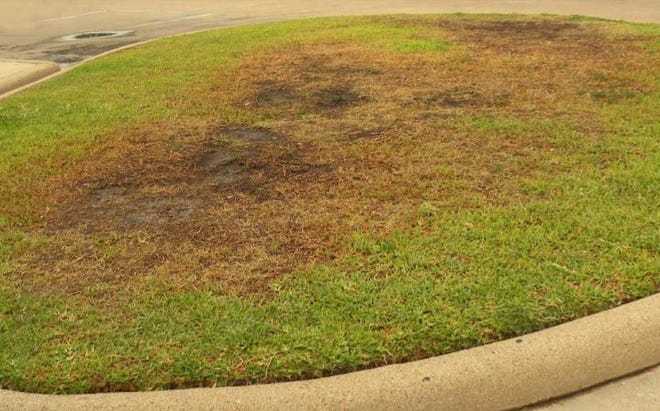
Yes, brown patch can significantly affect Bermuda grass, causing unsightly brown spots and weakening the turf if left untreated. These patches tend to spread quickly, especially during hot, humid weather, making it important to act fast to protect your lawn.
Brown patch disease does impact Bermuda grass, leading to brown, circular patches that can merge and damage large areas of your lawn. Proper prevention and treatment are essential to keep your Bermuda healthy and vibrant.
If you have Bermuda grass, you might be wondering whether brown patch is a threat to your lush lawn. The good news is that yes, brown patch can harm Bermuda grass if not managed promptly. The disease thrives in warm, moist conditions, causing circular brown patches that can grow and spread rapidly. Early identification and treatment are key to minimizing damage. By understanding the causes and implementing proper lawn care strategies—like proper watering, aeration, and fungicide application—you can keep your Bermuda grass healthy and resilient against this common turf disease.

Does Brown Patch Affect Bermuda? An In-Depth Look at Lawn Disease and How to Fight It
Understanding Brown Patch and Its Causes
Brown patch is a common fungal disease that often shows up on various types of grasses, especially in warm, humid weather. It appears as circular or irregular patches of brown, dead grass that can spread quickly if left untreated. The disease is caused by the fungus *Rhizoctonia solani*, which thrives when the conditions are just right.
Most often, brown patch occurs during late summer and early fall when temperatures range between 70 to 85 degrees Fahrenheit. High humidity and excess moisture in the soil create perfect conditions for fungal growth. Overwatering and poor drainage significantly contribute to the problem by keeping the soil damp for long periods.
Maintaining proper watering practices and good lawn hygiene can help prevent brown patch from developing. Regularly aerating your lawn allows better airflow and reduces soil moisture. It’s essential to identify the disease early to prevent it from spreading and causing extensive damage to your bermuda grass.
How Brown Patch Looks on Bermuda Grass
Bermuda grass, known for its drought tolerance and toughness, is not immune to brown patch. When infected, you might notice round or irregular patches that range from a few inches to several feet across. The edges of the patches often turn a darker brown and may have a slightly sunken appearance.
In the initial stages, patches may be small and difficult to see. As the disease progresses, the affected areas widen and can connect to form larger brown patches. The grass blades within these patches often appear wilted, and the turf may feel soft underfoot.
Some signs that your bermuda grass is affected by brown patch include:
- Random patches of dead or dying grass
- Dark, circular borders around the patches
- Presence of grayish or fuzzy growth on the turf surface
- Rapid spreading during humid, warm evenings
Early detection is key, as untreated brown patch can weaken the root system and lead to more severe lawn damage over time.
Does Brown Patch Affect Bermuda Grass Specifically?
Yes, brown patch does affect bermuda grass, especially during its active growing season. The fungus infects bermuda by attacking the leaf blades and stems, causing the grass to turn brown and die back. While bermuda grass is generally resilient, heavy infections can cause significant damage if not managed promptly.
The susceptibility of bermuda to brown patch depends on environmental factors, turf health, and lawn maintenance practices. Young bermuda grass or stressed turf plants are more vulnerable to disease onset. Proper care and proactive measures can help bermuda resist or recover from brown patch.
It’s important to note that bermuda’s rapid growth can sometimes hide early signs of brown patch, making timely detection challenging. Regular inspections and monitoring are necessary for maintaining a healthy, disease-free bermuda lawn.
Environmental Factors That Promote Brown Patch in Bermuda
Several environmental conditions contribute to the development of brown patch on bermuda grass:
- High humidity: Creates a damp environment favorable for fungal growth.
- Warm temperatures: Particularly between 70 and 85 degrees Fahrenheit.
- Overwatering: Keeps soil moist for long periods, encouraging disease spread.
- Poor drainage: Causes water to pool on the surface or soil, increasing humidity levels.
- Heavy dew: Dew on the grass leaves in the early morning keeps the turf wet for hours.
- Compacted soil: Limits airflow and promotes moisture retention, aiding fungal growth.
Adjusting watering habits, aerating the lawn, and improving drainage can significantly reduce the risk of brown patch. A balanced approach to turf care promotes healthy bermuda that can resist disease.
Ways to Prevent Brown Patch on Bermuda Grass
Prevention starts with good lawn management practices that make the environment less hospitable to fungi. Here are several steps to keep brown patch at bay:
- Water early in the day: This allows grass to dry before evening, reducing moisture levels.
- Aerate regularly: Improves airflow and prevents soil compaction.
- Apply fungicides: Use preventative fungicides labeled for turf diseases before signs appear, especially in humid conditions.
- Maintain proper mowing height: Keep bermuda grass at 1 to 2 inches to promote healthy growth.
- Remove thatch: Excess thatch can trap moisture and promote fungal disease. Raking and dethatching help reduce this layer.
- Improve drainage: Incorporate soil amendments or grading techniques to prevent water pooling.
Consistent lawn care and monitoring can greatly diminish the chances of brown patch developing on your bermuda turf.
Management and Treatment of Brown Patch on Bermuda
If brown patch appears, early intervention is vital to limit its spread. Begin treatment by removing affected grass and debris from the area. Properly disposing of infected material prevents spores from dispersing.
Chemical control involves applying fungicides, which can be effective if used correctly. Follow manufacturer instructions for timing and application rates. Organic options, such as neem oil or baking soda solutions, can also help manage mild infections.
In addition to fungicides, cultural practices play a role in recovery:
- Reduce watering: Cut back on irrigation to allow the soil to dry.
- Increase airflow: Trim surrounding trees or shrubbery to improve circulation.
- Fertilize appropriately: Use a balanced fertilizer to promote healthy turf growth and resilience.
Patience and consistent care will help bermuda grass recover from brown patch. Avoid overwatering or over-fertilizing, which can worsen fungal problems.
Long-Term Strategies to Keep Brown Patch Away from Bermuda
Establishing ongoing lawn health practices helps minimize future outbreaks of brown patch. These include:
- Soil testing: Ensure nutrient levels are correct for bermuda grass, especially nitrogen and potassium.
- Proper irrigation schedule: Water deeply but infrequently to promote deep root growth.
- Regular mowing: Maintain turf at recommended heights to strengthen grass and prevent stress.
- Monitoring: Regularly inspect your lawn for early signs of disease or stress.
- Use resistant grass varieties: Some bermuda strains show more resistance to fungal diseases.
Implementing these practices provides a foundation for a healthy, disease-resistant bermuda lawn that resists brown patch and other turf diseases.
Related Topics and Additional Resources
Understanding brown patch and its impact on bermuda grass aligns with broader lawn care topics. Consider exploring:
- Lawn pest management: Pests can weaken turf, making it more susceptible to diseases like brown patch.
- Fertilization schedules: Proper fertilization enhances turf health and resilience.
- Soil health and aeration: Aeration and organic amendments improve soil structure and airflow.
- Irrigation techniques: Drip and soaker hoses provide controlled watering, reducing excess moisture.
- Choosing the right turf grass: Selecting disease-resistant bermuda varieties can save time and money.
Recognizing the interconnectedness of these topics helps you develop a comprehensive lawn care approach that keeps your bermuda grass healthy and vibrant.
By understanding how brown patch affects bermuda grass, why it occurs, and how to prevent and treat it, you can keep your lawn looking its best. Proper management, early detection, and consistent care form the backbone of a healthy, resilient bermuda turf that resists fungal diseases and stays lush throughout the season.
Brown patch fungus in tall fescue
Frequently Asked Questions
Can brown patch cause damage to Bermuda grass over time?
Yes, brown patch can weaken Bermuda grass if left untreated for an extended period. The fungi responsible for brown patch create dead, brown patches that can enlarge and reduce the overall health of the turf. Persistent infection may lead to thinning and increased vulnerability to other diseases or pests, which can cause lasting damage to the lawn.
What environmental conditions favor brown patch development in Bermuda lawns?
Brown patch tends to develop in warm, humid weather with temperatures between 70°F and 85°F. Overly moist soil, poor drainage, and prolonged leaf wetness also contribute to the fungus’s growth. Stress conditions such as drought or excessive thatch can make Bermuda grass more susceptible to infection.
Are there specific signs to distinguish brown patch from other turf diseases on Bermuda grass?
Yes, brown patch usually appears as circular or irregularly shaped patches with a darker, water-soaked margin during early stages. As it progresses, the areas turn entirely brown and may have a slightly sunken appearance. Looking for these specific patterns and observing the moist edges can help differentiate brown patch from other diseases like dollar spot or rust.
Does proper watering help prevent the spread of brown patch in Bermuda lawns?
Proper watering plays a crucial role in preventing brown patch. Water early in the day to allow grass blades to dry out, reducing leaf wetness—a key factor for fungal growth. Avoid overwatering and ensure good drainage to prevent prolonged moisture, which limits the fungi’s ability to spread.
Can aeration and mowing practices influence the severity of brown patch outbreaks?
Yes, regular aeration improves soil drainage and reduces thatch buildup, creating less favorable conditions for brown patch development. Mowing at the correct height helps maintain healthy turf that can resist infections better. Proper mowing also reduces stress, making Bermuda grass less vulnerable to disease outbreaks.
Final Thoughts
Brown patch can significantly impact bermuda grass by creating unsightly brown spots and weakening the turf. Proper lawn care, such as improving drainage and avoiding overwatering, helps prevent this disease.
Regular aeration and the use of fungicides can control spread and promote healthier growth.
In conclusion, yes, brown patch affects bermuda. Implementing preventive measures keeps your lawn thriving and minimizes damage.