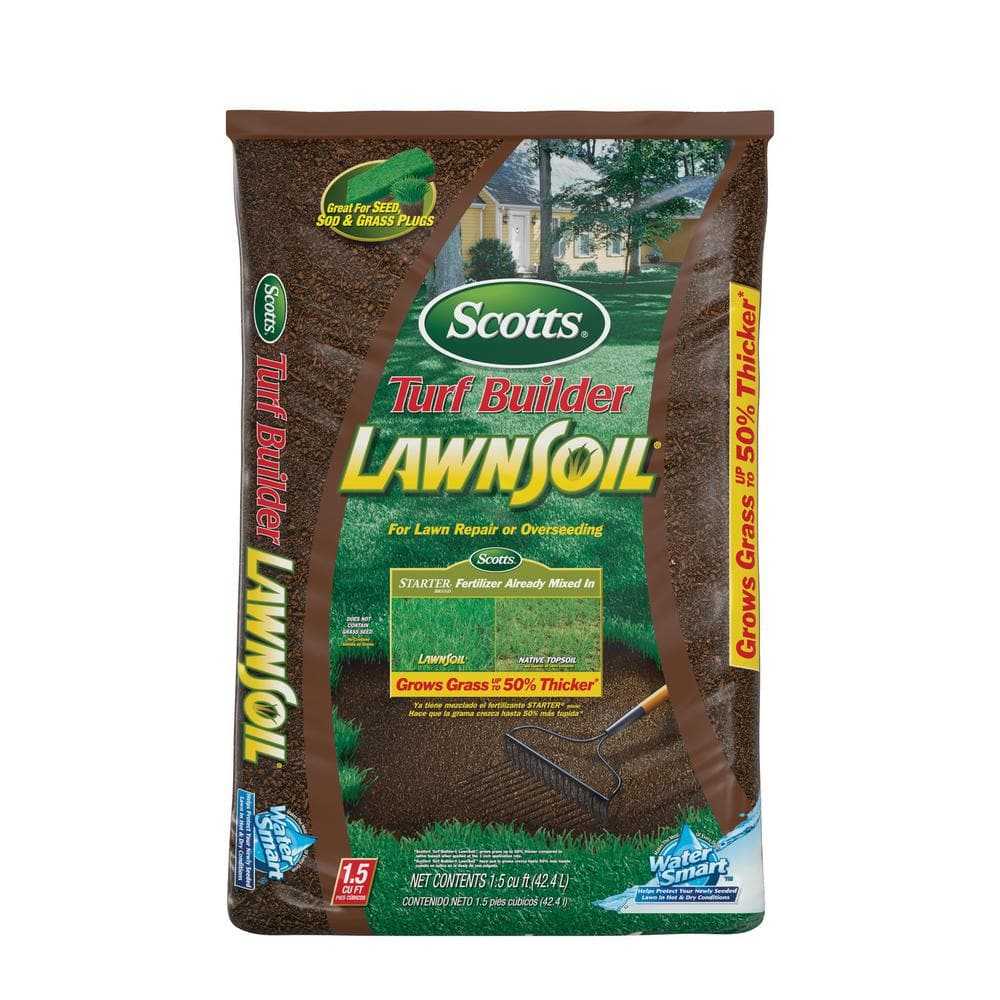
The best topsoil for Bermuda grass is a well-draining, nutrient-rich mix that promotes healthy root development and vibrant green growth. Look for soil that balances organic matter and minerals to ensure your lawn remains lush and resilient. Choosing the right topsoil can dramatically improve your Bermuda grass’s health and appearance.
For Bermuda grass, opt for a topsoil that drains well, holds enough nutrients, and maintains proper pH levels. A blend rich in organic matter with added compost or aged manure works wonders. Proper soil preparation is essential for a thick, healthy Bermuda lawn that stands up to heat and foot traffic.
A healthy Bermuda grass lawn begins with selecting the appropriate topsoil that enhances drainage, supplies essential nutrients, and creates an optimal environment for root growth. Since Bermuda thrives in warm climates, the soil quality directly influences its robustness and color. By choosing a soil that is well-draining yet rich in organic content, you set the stage for a lush, resilient turf. Proper soil ensures that water is absorbed efficiently and nutrients are accessible, fostering vigorous growth and helping your Bermuda grass stay green and dense all season long.

Best Top Soil for Bermuda Grass: A Complete Guide to Growing a Lush Lawn
Understanding the Importance of Top Soil for Bermuda Grass
Top soil plays a vital role in how well Bermuda grass grows and stays healthy. It provides essential nutrients and improves soil drainage. Choosing the right top soil ensures that your Bermuda grass gets the foundation it needs to thrive.
Key Characteristics of Good Top Soil for Bermuda Grass
A quality top soil for Bermuda grass should have a few specific features. First, it needs to be rich in organic matter to supply nutrients. Second, it should have good drainage to prevent waterlogging. Third, it needs to be slightly acidic to neutral, with a pH between 5.8 and 6.5.
Types of Top Soil Suitable for Bermuda Grass
There are different types of top soil available, but not all are perfect for Bermuda grass. The best options include:
- Garden soil: Usually contains organic material, good for lawns.
- Loamy soil: A balanced mix of sand, silt, and clay that drains well.
- Topsoil blends: Commercially prepared mixes tailored for lawns.
Avoid heavily clayey soils, which can cause poor drainage, or overly sandy soils, which may lack nutrients.
How to Choose the Right Top Soil for Your Lawn
Selecting top soil begins with understanding your yard’s current soil condition. Conduct a soil test to analyze nutrient levels and pH balance. Based on the results, choose a top soil that complements and improves your existing soil.
Testing Your Soil: Why It Matters
Soil tests help determine if your soil is too acidic or alkaline. They also reveal nutrient deficiencies. With this information, you can select a top soil rich in the needed nutrients for Bermuda grass to flourish.
How to Conduct a Soil Test
You can buy a soil testing kit or send a sample to a local extension service. Take samples from multiple spots in your yard for accurate results. The test will tell you pH levels and nutrient content.
Best Top Soil Composition for Bermuda Grass
The right top soil should have:
- Sand: Improves drainage and prevents water retention.
- Organic matter: Supplies nutrients and encourages healthy root growth.
- Silt and clay: In small amounts, they help retain moisture without causing compaction.
Aim for a composition with roughly 50% sand, 25% silt, and 25% clay for optimal results.
Adding Amendments to Improve Your Soil
If your soil lacks nutrients or drainage, consider adding amendments. Compost enriches the organic content and promotes nutrient cycling. Perlite or coarse sand can increase drainage if needed.
Application Tips for Top Soil
Spread the top soil evenly across your lawn at a depth of about 2 to 3 inches. Before applying, clear away weeds and debris. Rake the surface to level it and mix it slightly with existing soil.
Seeding or Reseeding with Top Soil
After applying fresh top soil, seed Bermuda grass evenly. Cover lightly with soil to protect seeds from birds and wind. Water gently to keep the soil moist during germination.
Maintaining Healthy Bermuda Grass with Proper Top Soil
Consistent watering, fertilization, and aeration work together with the right top soil. These steps encourage deep root growth and a dense, green lawn.
Fertilization and Top Soil
Use balanced fertilizers suitable for Bermuda grass. Phosphorus and potassium support root and shoot growth. Apply fertilizers after testing soil to avoid over-fertilizing.
Watering Practices
Bermuda grass prefers deep, infrequent watering. Proper top soil improves water retention and distribution. Avoid overwatering to prevent disease.
Soil Aeration and its Benefits
Aerating your lawn helps air, water, and nutrients reach roots better. Use a core aerator periodically, especially if the soil tends to compact.
Common Problems Associated with Poor Top Soil
Poor quality top soil can lead to issues like shallow rooting, brown patches, and slow growth. Waterlogging or drought stress often result from improper soil composition.
Choosing Organic vs. Inorganic Top Soil
Organic top soil contains natural compost and organic matter, making it excellent for planting. Inorganic soils, such as those with high sand or mineral content, may need additional amendments.
Where to Buy Top Soil for Bermuda Grass
Buy from reputable garden centers or landscape suppliers. Ensure the top soil is free from weeds, debris, and pests. If possible, request a soil analysis report.
Cost and Budget Considerations
Prices vary based on quality and quantity. Investing in good top soil can save money long-term by reducing lawn problems. Compare options and consider your lawn size to determine the best value.
Environmental Factors to Consider
Choose locally sourced top soil to reduce transportation emissions. Also, select eco-friendly amendments to maintain soil health and promote sustainable landscaping.
Final Thoughts on Selecting the Best Top Soil for Bermuda Grass
Choosing the right top soil sets the stage for a thriving Bermuda grass lawn. Focus on organic content, good drainage, and proper pH balance. Regular maintenance and soil care will help your lawn stay lush and green all season long.
When should you use sand vs topsoil on Bermuda grass
Frequently Asked Questions
What soil characteristics are important for promoting healthy Bermuda grass growth?
Bermuda grass thrives in well-draining soil with a pH level between 5.8 and 7.0. The soil should be rich in organic matter to provide essential nutrients and maintain moisture. Loamy soils that balance sand, silt, and clay offer ideal conditions, ensuring the grass receives adequate nutrients and water without becoming waterlogged.
How can I improve my existing soil to make it more suitable for Bermuda grass?
You can enhance your current soil by adding organic materials such as compost or peat moss to increase fertility and improve structure. Conduct a soil test to determine pH and nutrient levels, then adjust accordingly with lime or sulfur to correct pH imbalances. Aerate compacted areas to improve drainage and ensure roots develop healthily.
Are there specific topsoil types recommended for Bermuda grass lawns?
Yes, a high-quality, sandy loam topsoil generally works best for Bermuda grass. It provides good drainage and allows roots to penetrate easily. Avoid heavy clay soils, which can cause poor drainage and promote disease. Selecting a topsoil with a balanced mix of components ensures the grass establishes firmly and grows evenly.
Final Thoughts
The best top soil for Bermuda grass enhances growth and maintains a healthy lawn. It should be well-draining, rich in organic matter, and slightly acidic. Choose a soil with balanced nutrients to support vigorous root development.
Regular soil testing helps identify deficiencies and guides appropriate amendments. Proper preparation ensures the grass establishes quickly and stays resilient. Good quality top soil creates an ideal environment for Bermuda grass to thrive.
In summary, selecting the best top soil for Bermuda grass is crucial for a lush, green lawn. Focus on nutrient-rich, well-draining soil to achieve optimal results.