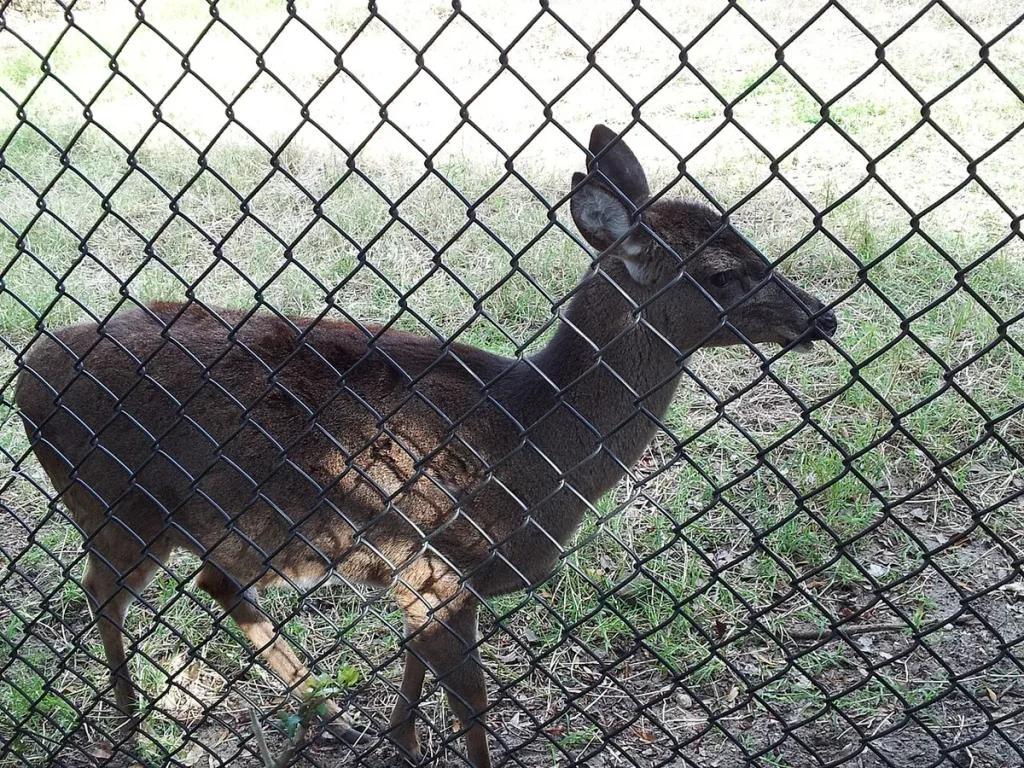
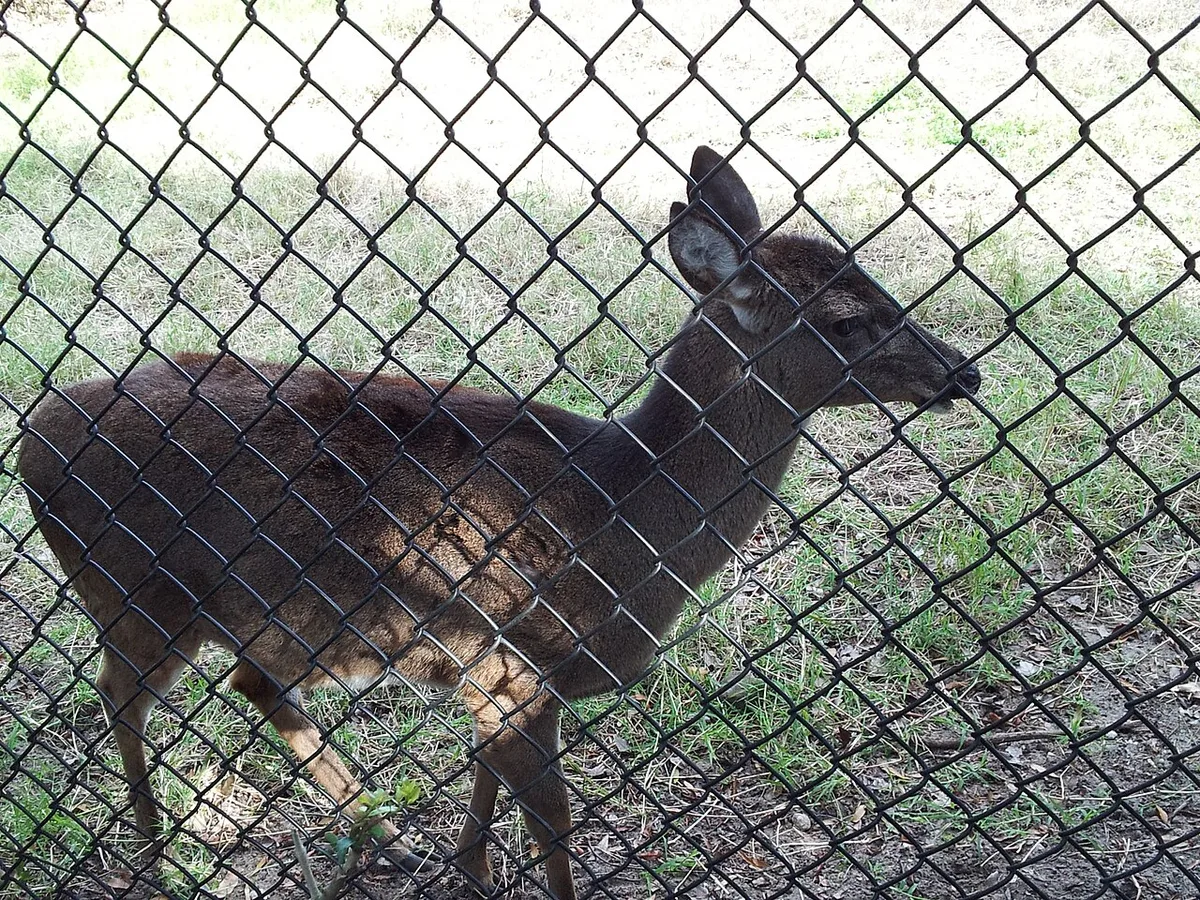
Image source: Wikimedia Commons / Moe Epsilon (CC BY-SA)
If you've spent any time in gardening forums or chatted with a neighbor who swears by their barber's clippings, you've probably heard the claim. Human hair keeps deer out of your garden. It sounds almost too simple to be true, and that's exactly why so many people want a straight answer.
The short version: it can work, but only under the right conditions, and it's far from a guaranteed fix.
The reality is that deer behavior, your local environment, and how you use the hair all matter. A handful of clippings tossed near your tomatoes won't cut it. But a well-planned scent barrier using fresh hair, properly placed and regularly maintained, has helped some gardeners reduce browsing damage.
Let's walk through what actually works, what doesn't, and how to decide if this method is worth your time.
Quick Answer
Human hair can deter deer in some situations, but it's not a reliable standalone solution. Fresh human hair placed in mesh bags around a garden perimeter may reduce deer browsing for one to three weeks before losing potency. Success depends on deer pressure, hair freshness, placement density, and whether you combine it with other deterrents.
In areas with heavy deer populations, physical fencing remains the only consistently effective option.
How Human Hair Is Supposed to Work as a Deer Deterrent
The idea behind using human hair is straightforward. Deer rely heavily on their sense of smell to detect danger. A human scent scattered around a garden perimeter signals that people are nearby, which should make deer think twice before entering.
White-tailed deer have an olfactory system estimated to be several hundred times more sensitive than ours. That's the theory, at least. Fresh hair carries the strongest scent.
As it weathers, gets rained on, or dries out completely, the scent fades and so does the deterrent effect.
Most people collect hair from a barbershop or salon, stuff it into mesh bags, old pantyhose, or stockings, and hang them around the garden. The goal is to create a scent barrier that deer won't want to cross. It's a low-cost, non-toxic approach.
That's the main appeal. You're not spraying chemicals near your vegetables, and the hair is essentially free.
Does the Science Back It Up? What Research and Extension Services Say
Here's where things get honest. There's a surprising lack of rigorous, peer-reviewed research specifically testing human hair as a deer repellent. Most of what we know comes from anecdotal reports, extension service observations, and a small number of field trials with mixed results.
University extension programs, including those at Penn State and the University of Minnesota, generally classify human hair as a "home remedy" rather than a proven deterrent. They acknowledge that some gardeners report success, but they stop short of recommending it as a primary deer management strategy.
The challenge with studying scent-based deterrents is that results vary wildly by location, deer population, food availability, and weather. A method that works in a suburban backyard in Connecticut might fail completely on a rural property in Pennsylvania where deer density is ten times higher.
What the research does tell us is that scent-based repellents in general can reduce browsing damage, but their effectiveness drops over time as deer habituate. That's a well-documented pattern across multiple studies published in the Journal of Wildlife Management and the Wildlife Society Bulletin. So the honest answer is: human hair isn't scientifically proven, but it fits into a broader category of scent deterrents that show some promise under the right conditions.
When Human Hair Is Most Likely to Work
Not every garden is a good candidate for the hair method. Your odds of success go up significantly if your situation matches most of these conditions.
Moderate deer pressure. If deer pass through your yard occasionally but aren't desperate for food, a scent barrier might be enough to redirect them. Deer that are just browsing casually are easier to discourage than deer that are hungry and have limited options.
Small to medium garden plots. A 20-by-30-foot vegetable garden is much easier to protect with scent bags than a half-acre orchard. The smaller the area, the easier it is to maintain a consistent scent perimeter.
Combined with other deterrents. Hair works best as one layer in a multi-method approach. Pair it with motion-activated sprinklers, soap bars, or plantings of deer-resistant species. The more signals you send that your garden isn't a safe feeding spot, the better your results.
Fresh hair, properly placed and regularly replaced. This is the biggest factor most people get wrong. Hair that's been sitting in a pile for a month has lost most of its scent. You need fresh clippings, distributed in bags every three to five feet around the perimeter, and replaced every one to three weeks.
Low wind and moderate humidity. Scent disperses faster in dry, windy conditions. If you're in an arid climate, the hair will lose potency faster and you'll need to replace it more often.
When Human Hair Probably Won't Work
There are situations where you'd be better off skipping the hair entirely and going straight to more reliable methods.
Heavy deer populations with limited food sources. If your area has high deer density, especially heading into winter when natural food is scarce, deer will push through almost any scent barrier. Hunger overrides caution every time.
Large orchards or crop fields. The sheer scale makes a scent barrier impractical. You'd need an enormous quantity of hair, and maintaining a consistent perimeter across a large area is nearly impossible.
Used as the only deterrent method. Hair alone, especially if it's not fresh or densely placed, won't hold up against determined deer. It needs to be part of a layered strategy.
Old, weathered, or sparsely placed hair. If the hair has been rained on multiple times, baked in the sun, or you've only hung a few bags across a wide area, don't expect results. The scent concentration is too low to register as a threat.
During the fall rut or peak spring growth. Deer are less cautious during the rut (breeding season) and more driven by hunger in early spring. Scent deterrents are least effective during these high-activity periods.
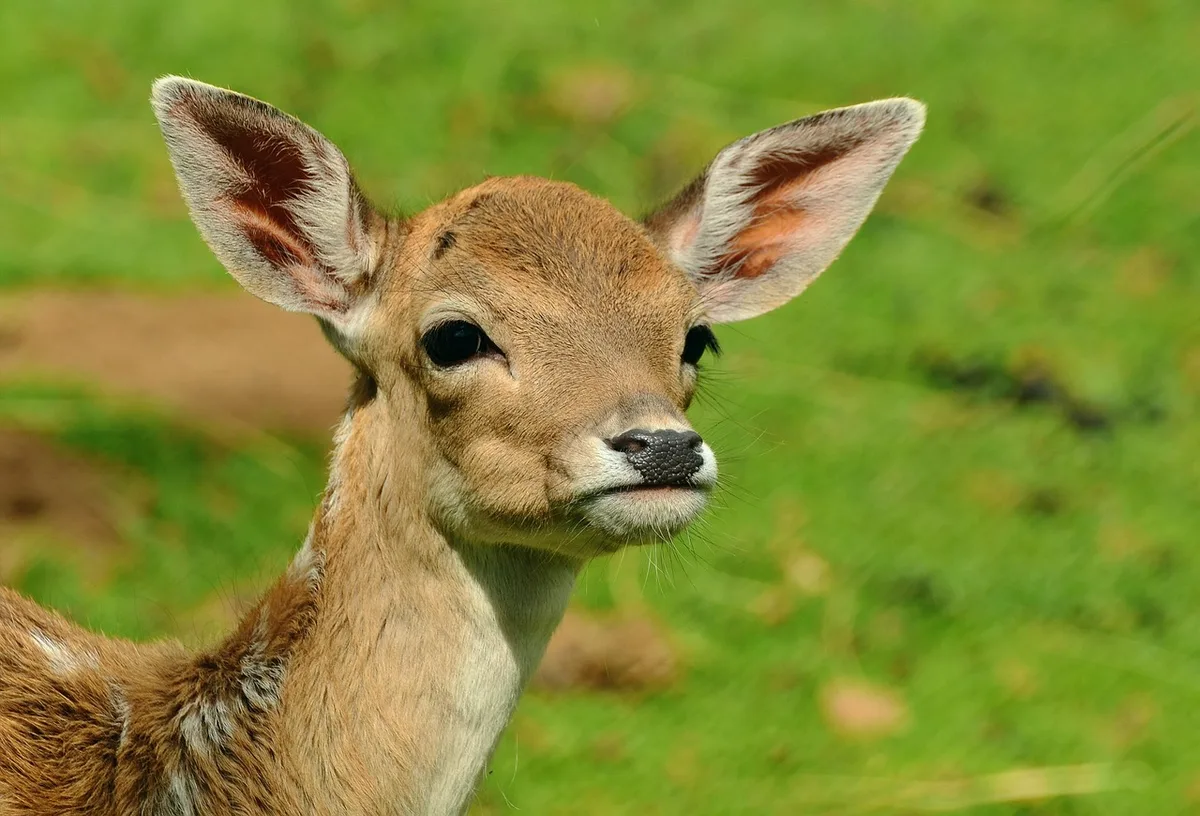
Image source: Pixabay / congerdesign (Pixabay Content License)
If you're seeing stripped stems, torn leaves, and plants nipped down to stubs, you're already past the point where a mild scent deterrent will help. That level of damage means deer are comfortable on your property and feeding regularly. You'll need stronger measures.
How to Use Human Hair for Deer Control: Step-by-Step
If your situation matches the conditions where hair can work, here's how to set it up properly. Skipping steps or cutting corners is the main reason most people say "it didn't work for me."
Collecting and Preparing the Hair
Start by calling local barbershops or salons. Most will happily give you bags of clippings at no cost. Ask for hair that's been collected within the last day or two.
The fresher, the better.
Spread the hair out on a tray or screen for a few hours if it's damp. You don't want to pack wet hair into bags. It can mold and the scent profile changes.
Avoid hair that's been heavily treated with chemical perms, dyes, or bleach if you're placing it near edible gardens. While there's no evidence of harm, it's an unnecessary variable.
Choosing the Right Carrier
You need something that lets scent escape but keeps the hair contained. The most common options:
- Mesh produce bags (the kind onions come in)
- Old pantyhose or stockings
- Cheesecloth tied with twine
- Small burlap sacks
Pantyhose are probably the easiest to work with. Cut them into sections, fill each with a generous handful of hair, and tie the ends closed.
Placement Strategy
This is where most people underdo it. A few bags scattered around a large garden won't create an effective scent barrier.
Hang bags every three to five feet around the entire perimeter of the area you want to protect. Think of it as a fence line made of scent.
Place them at deer nose height, roughly two to three feet off the ground. That's where a browsing deer will catch the scent first.
Focus on entry points. If deer are coming from a specific direction, like a wooded edge, double up the bags on that side.
Anchor them securely. Wind will knock loose bags to the ground, where they're far less effective. Tie them to stakes, fence posts, or low branches.
How Often to Replace It
Plan on replacing the hair every one to three weeks. Rain is the biggest enemy. After a heavy storm, the scent is largely gone and you're basically hanging empty bags.
In dry, mild weather, you might get closer to three weeks. In a wet spring, you might need to swap it out weekly. Check the bags regularly.
If you can't smell the hair standing a foot away, neither can the deer.
Monitoring Whether It's Working
Keep an eye out for deer tracks, droppings, and fresh browse damage. If you're still seeing signs of deer activity after two weeks of proper placement, the hair alone isn't doing the job.
That's your signal to add another layer. A motion-activated sprinkler, a bar of soap hung nearby, or switching to a commercial repellent with putrescent egg solids can make the difference. The key is to treat hair as a starting point, not a finished solution.
Image source: Pixabay / Erik_Karits (Pixabay Content License)
Common Mistakes That Make Human Hair Fail
Most failures come down to a handful of avoidable errors. If you've tried hair before and got nothing, one of these is probably why.
Using old or weathered hair. Hair that's been sitting in an open bag for weeks has lost the volatile compounds that carry the scent. By the time you hang it up, it's basically inert. Always use clippings collected within the last few days.
Too few bags, too far apart. Hanging three bags around a 400-square-foot garden won't create a meaningful scent barrier. Deer simply walk between the gaps. You need bags every three to five feet, consistently, around the full perimeter.
Letting rain wash it out without replacing it. A single heavy rainstorm can strip most of the remaining scent. If you're not checking and replacing after storms, you're relying on empty bags.
Expecting it to work alone against heavy pressure. Hair is a mild deterrent. If deer are hitting your garden hard, hair by itself won't turn them around. It needs backup.
Placing bags on the ground instead of at nose height. A bag sitting on the soil isn't where a deer's nose is. Hang them two to three feet up on stakes, posts, or branches.
How Human Hair Compares to Other Deer Deterrent Methods
Hair isn't the only option, and it's not the strongest. Here's how it stacks up against other common approaches.
| Method | Effectiveness | Cost | Maintenance | Best For |
|---|---|---|---|---|
| Human hair bags | Low to moderate | Free to $5 | Replace every 1-3 weeks | Small gardens, low pressure |
| Commercial scent repellents | Moderate | $15-$50 per application | Reapply every 2-4 weeks | Medium gardens, seasonal use |
| Soap bars (Irish Spring) | Low to moderate | $3-$8 | Replace monthly | Supplemental layer |
| Motion-activated sprinklers | Moderate to high | $30-$80 per unit | Minimal after setup | Medium to large gardens |
| Physical fencing (8 ft) | High | $8-$25 per linear foot | Annual inspection | Any size, high pressure |
| Deer-resistant plantings | Moderate | Varies | Seasonal maintenance | Long-term landscape design |
Image source: Pixabay / kershnek (Pixabay Content License)
The pattern is clear. Scent-based methods, including hair, sit at the lower end of effectiveness. They're cheap and easy, which makes them worth trying first.
But if deer pressure is significant, physical exclusion through fencing is the only method that consistently delivers results.
Commercial repellents containing putrescent egg solids or predator urine tend to outperform hair in field trials. They're formulated to maximize scent dispersion and longevity. That said, they cost more and need regular reapplication too.
Motion-activated sprinklers add a physical scare element that scent alone can't match. Deer that have habituated to a smell won't care. A sudden blast of water is a different story.
What It Actually Costs: Hair vs. Commercial Repellents vs. Fencing
Let's put real numbers to a 500-square-foot garden, roughly 20 by 25 feet, with a perimeter of about 90 linear feet.
Human hair method:
- Hair cost: Free from barbershops
- Mesh bags or pantyhose: $3-$5 one-time
- Replacement frequency: Every 2 weeks during active season (April through October, roughly 26 weeks)
- Total seasonal cost: Under $10
Commercial repellent (spray, egg-based):
- Product cost: $15-$25 per bottle
- Coverage per bottle: Approximately 400-600 square feet per application
- Applications needed per season: 8-12 (every 2-3 weeks)
- Total seasonal cost: $40-$100+
Deer fencing (8-foot height):
- Materials: $8-$15 per linear foot for polypropylene or metal mesh
- 90 linear feet: $720-$1,350 in materials
- Installation (DIY): Free, but labor-intensive
- Installation (professional): Adds $3-$8 per linear foot
- Lifespan: 10-20 years for quality materials
- Annualized cost: $40-$135 per year over the fence's lifespan
Hair wins on cost by a wide margin. Fencing wins on effectiveness. Commercial repellents sit in the middle on both axes.
The smart approach for most gardeners is to start with the cheapest methods and escalate only if needed. Try hair and soap bars for a season. If damage continues, add a sprinkler or switch to a commercial repellent.
If that still doesn't work, it's time to budget for fencing.
Seasonal and Regional Factors That Change the Results
Where you live and when you're trying to protect your garden both matter more than most people realize.
Spring (April-May) is when deer damage peaks in many regions. New growth on plants is tender and attractive. Does are also nursing fawns and need more food.
Scent deterrents are working against you during this window because deer are highly motivated.
Summer (June-August) is often the easiest period. Natural food sources are abundant, so deer are less likely to push into gardens. Hair bags placed during summer may show good results simply because deer aren't as desperate.
Fall (September-November) brings the rut. Bucks are focused on breeding, not feeding, but does are building fat reserves for winter. Deer movement increases and they're less cautious.
Scent barriers are less reliable during this period.
Winter (December-March) is the second peak for damage in northern regions. Natural food is scarce and deer will eat almost anything. Hair bags frozen in ice or buried under snow are doing nothing.
This is when fencing earns its keep.
Regionally, the Northeast and Midwest have the highest deer densities in the US. Suburban areas in states like Pennsylvania, New York, Wisconsin, and Michigan often have 30-60 deer per square mile. At those densities, mild deterrents struggle.
The Southeast has lower deer density in many areas but year-round growing seasons mean year-round pressure. The West deals more with mule deer, which may respond differently to scent deterrents than white-tailed deer, though research on the distinction is limited.
If you're in a high-density suburban corridor where deer have lost their fear of humans, expect weaker results from any scent-based method. Those deer have already habituated to human presence, so human scent alone isn't a strong threat signal.
Expert Tips from Gardeners and Extension Agents Who've Tried It
The people who get the best results with hair tend to follow a few consistent practices.
Rotate your deterrents. Don't rely on hair alone for the entire season. Switch between hair bags, soap bars, and a commercial spray every few weeks. Deer habituate to any single stimulus.
Keeping them guessing extends the effectiveness of each method.
Layer your defenses. Combine scent barriers with physical obstacles. Even a low temporary fence (4 feet) combined with hair bags creates a more convincing barrier than either one alone. Deer are less likely to jump when they're already uncertain about the scent.
Talk to your barber regularly. Build a relationship with a local shop. Ask them to set aside fresh clippings for you weekly. The consistency of supply matters more than most people think.
Running out and going three weeks between replacements breaks the scent barrier.
Use more hair than you think you need. A thin sprinkling in a large bag won't produce enough scent. Pack each bag with at least a generous handful. You want the scent to be detectable by you at a few feet away.
If you can't smell it, deer won't either.
Keep a damage log. Note when you see tracks, droppings, or browse damage. Track it against when you last replaced the hair bags and what the weather's been doing. Over a season or two, you'll start to see patterns that tell you exactly when your garden is most vulnerable.
Extension agents consistently emphasize that no single method is a silver bullet. Integrated pest management, using multiple tactics together, is the approach most likely to reduce damage to acceptable levels. Hair can be part of that mix, but it shouldn't be the whole strategy.
When to Skip the Hair and Go Straight to Fencing or Professional Help
If you're dealing with a large property, heavy deer pressure, or valuable plantings like an orchard or vineyard, skip the hair bags entirely. Your time is better spent on physical exclusion.
Fencing is the only method that works regardless of deer motivation, weather, or season. An eight-foot fence is the standard recommendation because white-tailed deer can clear six feet without much effort. For smaller gardens, a four-foot fence combined with an outward-angled top section can work as a psychological barrier, since deer prefer not to jump where they can't see a clear landing.
Professional wildlife management services are worth considering if deer damage is severe and recurring. Your state's Department of Natural Resources can often provide site-specific guidance and may offer cost-share programs for fencing in agricultural areas.
Frequently Asked Questions
How long does human hair keep deer away?
Human hair typically remains effective for one to three weeks before the scent fades enough that deer ignore it. Rain, wind, and direct sunlight accelerate the decline. Plan on replacing bags every two weeks during the active growing season for consistent coverage.
Does human hair work better than commercial deer repellent?
Commercial repellents generally outperform hair in both scent strength and longevity. Products containing putrescent egg solids or predator urine are formulated for maximum deer aversion. Hair is cheaper but less reliable, making it better suited as a supplemental layer than a primary defense.
Can I use synthetic hair or wig hair instead of real human hair?
Synthetic hair lacks the natural oils and organic compounds that produce the human scent deer respond to. Real human hair from a barbershop or salon is the only type that has any documented anecdotal effectiveness. Synthetic alternatives are unlikely to produce results.
Will human hair attract other pests to my garden?
There are occasional reports of rodents investigating hair bags, but this is uncommon. The scent that deters deer isn't typically attractive to mice or rats. If you notice rodent activity around your hair bags, relocate them slightly and monitor for changes.
Is human hair safe to use around vegetable gardens and edible plants?
Yes. Human hair is non-toxic and chemical-free, making it one of the safest deterrent methods for use near food crops. If you're concerned about hair treated with dyes or perms, simply ask your barber for untreated clippings.
There are no known risks to soil, plants, or water sources.
What time of year is best to start using human hair for deer control?
Early spring, just as new growth emerges, is the ideal time to set up hair bags. This is when deer begin actively browsing gardens and before they've established feeding patterns in your area. Starting early gives you the best chance of redirecting them before damage begins.
The Bottom Line: Should You Try Human Hair for Deer Control?
Human hair is worth trying if you have a small to moderate garden, low to moderate deer pressure, and you're willing to stay on top of regular replacements. It's free, non-toxic, and easy to set up. Those are real advantages.
But go in with realistic expectations. Hair is a mild deterrent, not a solution. If your deer problem is significant, you'll need to layer it with other methods or move straight to fencing.
The gardeners who get the best results treat hair as one tool in a larger strategy, not a standalone fix.
Start with hair and soap bags this season. Track your results honestly. If you're still seeing damage after a few weeks of proper placement, escalate to a commercial repellent or start planning a fence.
That step-up approach saves you money and tells you exactly how much protection your garden actually needs.