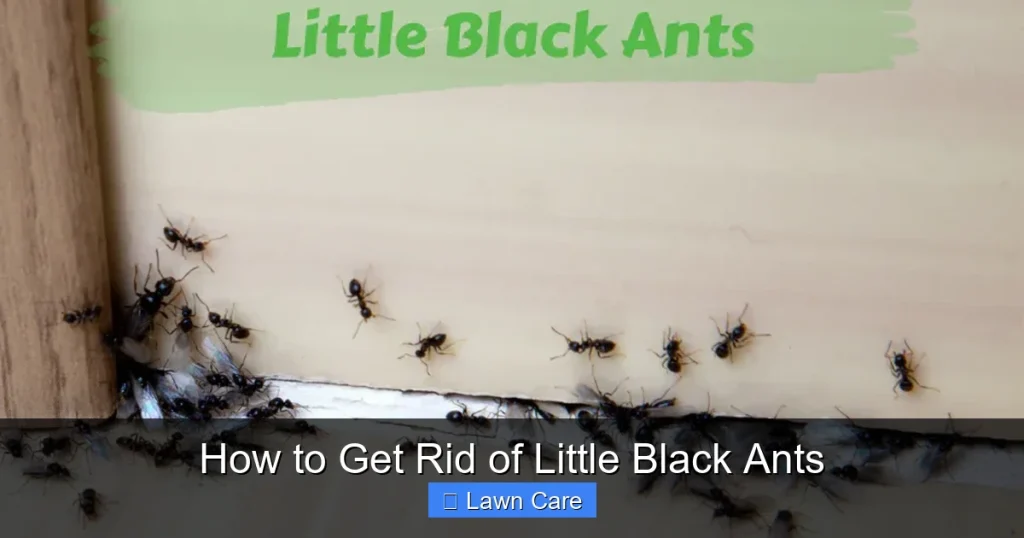
Little black ants may be tiny, but they can quickly become a big problem in your lawn and home. This guide shows you how to identify, eliminate, and prevent these pests using safe, practical methods that protect your yard and family.
Key Takeaways
- Identify the source: Little black ants often nest in soil, mulch, or under rocks—locating nests is key to effective treatment.
- Use natural remedies first: Diatomaceous earth, vinegar, and boiling water can eliminate ants without harsh chemicals.
- Seal entry points: Prevent indoor infestations by caulking cracks and keeping food sealed.
- Maintain a clean lawn: Regular mowing, debris removal, and proper drainage reduce ant-friendly environments.
- Apply targeted baits: Slow-acting ant baits allow worker ants to carry poison back to the colony, killing the queen.
- Monitor and repeat: Ant control is ongoing—check weekly and reapply treatments as needed.
- Know when to call a pro: If infestations persist, professional pest control may be necessary for full eradication.
How to Get Rid of Little Black Ants
Little black ants (Monomorium minimum) are one of the most common ant species found in lawns and homes across the United States. Despite their small size—usually just 1/16 to 1/8 inch long—they can form large colonies and become a persistent nuisance. These ants are attracted to sweet substances, moisture, and sheltered spaces, making your lawn and home prime real estate.
In this guide, you’ll learn how to identify little black ants, locate their nests, and use safe, effective methods to eliminate them from your yard and home. Whether you’re dealing with a few scouts or a full-blown infestation, these step-by-step strategies will help you regain control of your outdoor space.
Step 1: Identify Little Black Ants
Before treating any ant problem, it’s important to confirm you’re dealing with little black ants. These ants are shiny black, have a segmented body, and move in organized trails. Unlike fire ants, they don’t sting, but they can bite if disturbed.
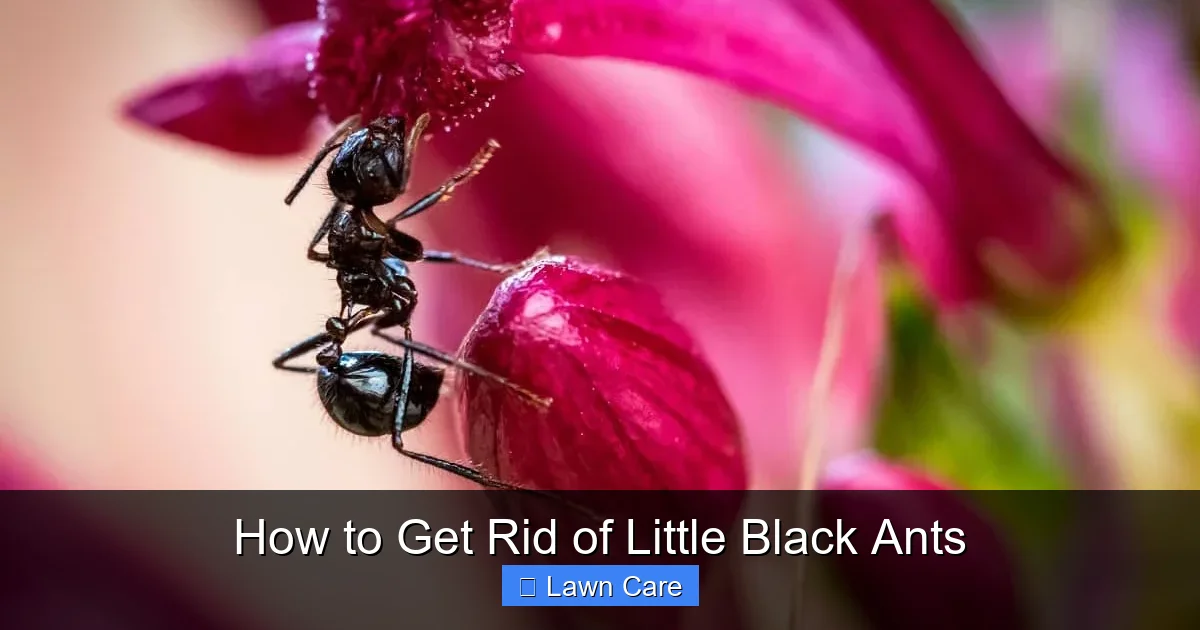
Visual guide about How to Get Rid of Little Black Ants
Image source: theyardandgarden.com
Look for key signs:
- Small, dark ants marching in lines along sidewalks, foundations, or garden beds
- Tiny piles of soil or sand near nest entrances
- Ants inside your home near windows, doors, or food sources
If you’re unsure, compare them to other common lawn ants. For example, Argentine ants are similar in size but lighter in color, while pavement ants are slightly larger and darker. Correct identification ensures you use the right treatment method.
Step 2: Locate the Nest
Ants are social insects, so killing a few workers won’t solve the problem. You need to find and destroy the nest. Little black ants typically build their colonies in:
Visual guide about How to Get Rid of Little Black Ants
Image source: pestworld.org
- Under rocks, logs, or patio pavers
- In mulch or garden beds
- Inside wall voids or under foundations
- In rotting wood or tree stumps
How to find the nest:
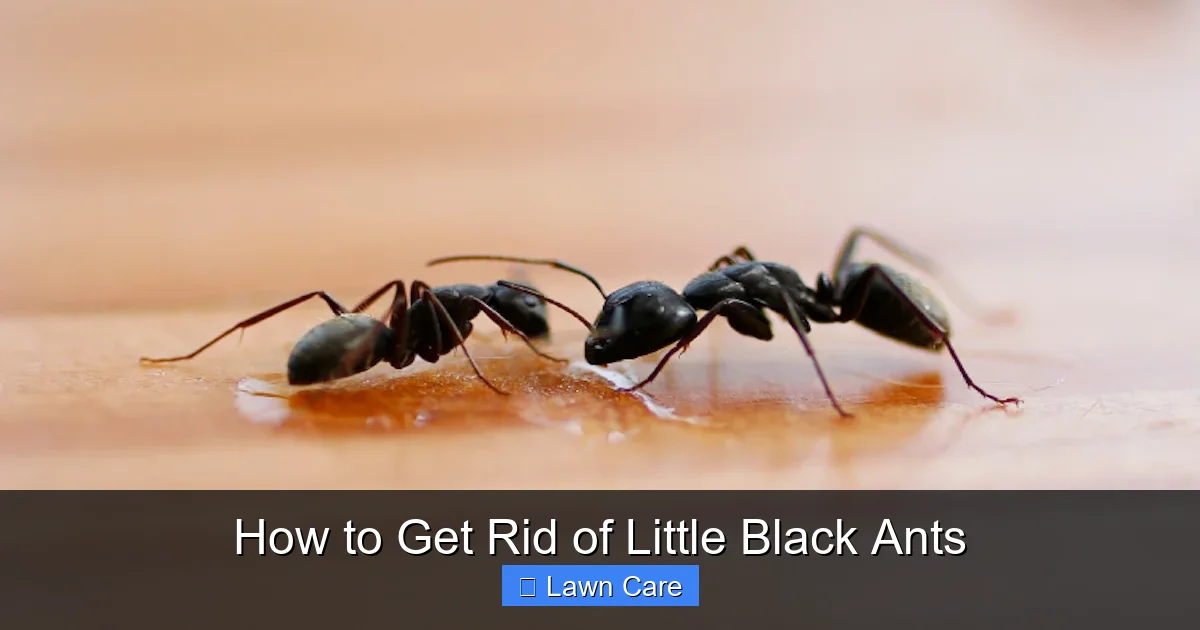
Follow ant trails early in the morning or late afternoon when they’re most active. Watch where they disappear—this is likely the nest entrance. You can also place a small piece of sweet food (like a drop of honey) on the ground. Ants will swarm it and lead you back to their colony.
Once located, mark the spot with a flag or stake so you can treat it effectively.
Step 3: Use Natural and Chemical Treatments
There are several ways to eliminate little black ants, ranging from DIY home remedies to commercial insecticides. Choose the method that best fits your comfort level and the severity of the infestation.
Natural Remedies
For mild infestations or eco-conscious homeowners, natural solutions are a great first step.
- Boiling water: Pour boiling water directly into the nest entrance. This kills ants on contact and can destroy the colony if applied repeatedly. Be careful not to damage nearby plants or grass.
- Diatomaceous earth: Sprinkle food-grade diatomaceous earth around the nest and ant trails. This powder dehydrates ants and is safe for pets and humans. Reapply after rain.
- Vinegar solution: Mix equal parts white vinegar and water in a spray bottle. Spray directly on ants and nest entrances. The strong smell disrupts their scent trails.
- Boric acid bait: Mix 1 part boric acid with 10 parts sugar and a little water to form a paste. Place small amounts near ant trails (but away from pets and children). Worker ants carry the bait back to the queen, eventually killing the colony.
Chemical Treatments
If natural methods don’t work, consider using insecticides. Always follow label instructions and use caution around children and pets.
- Granular ant baits: Spread ant-specific bait granules around the nest and lawn perimeter. These are slow-acting, allowing ants to return to the colony.
- Liquid insecticides: Apply liquid ant killer to nest sites and entry points. Products containing bifenthrin or permethrin are effective against little black ants.
- Dust formulations: Use insecticidal dust in wall voids or hard-to-reach areas. Dusts like deltamethrin can provide long-lasting control.
For more detailed guidance on ant control products, check out our comprehensive guide on how to get rid of ants.
Step 4: Prevent Future Infestations
Getting rid of ants is only half the battle. Preventing them from returning requires ongoing lawn and home maintenance.
Keep Your Lawn Clean
- Mow regularly to reduce tall grass where ants like to nest.
- Remove leaf litter, fallen branches, and excess mulch.
- Aerate compacted soil to improve drainage—ants prefer moist, loose soil.
- Trim back shrubs and trees that touch your house to eliminate bridges for ants.
Eliminate Food and Water Sources
- Store pet food in sealed containers.
- Clean up spills and crumbs immediately.
- Fix leaky outdoor faucets and gutters.
- Use tight-fitting lids on trash cans.
Seal Entry Points
- Inspect your home’s exterior for cracks in the foundation, gaps around windows, and holes in siding.
- Use caulk or weatherstripping to seal openings.
- Install door sweeps on exterior doors.
Regular maintenance not only deters ants but also helps with other lawn issues. For example, reducing standing water can also help prevent moss growth in your lawn and discourage pests like mosquitoes.
Step 5: Monitor and Maintain
Ant control isn’t a one-time fix. Little black ants can return if conditions are right. Check your lawn and home weekly for new trails or nests.
Tips for ongoing monitoring:
- Set up ant bait stations in problem areas.
- Reapply natural treatments after rain.
- Keep a journal of where and when you see ants to identify patterns.
If you notice ants returning despite your efforts, it may be time to escalate your approach or consult a professional.
Troubleshooting Common Problems
Sometimes, ant treatments don’t work as expected. Here’s how to troubleshoot:
Ants Keep Coming Back
This usually means the queen wasn’t eliminated. Use slow-acting baits that allow worker ants to share the poison with the colony. Avoid spraying ants directly—this can scatter the colony and make the problem worse.
Treatment Damaged Your Lawn
Some insecticides can harm grass, especially in hot weather. Always test a small area first. If damage occurs, water the area thoroughly and avoid further treatment until the grass recovers.
Ants Are Now Indoors
If ants have moved inside, focus on indoor sanitation and sealing entry points. Use indoor-safe baits and avoid spraying near food or cooking areas.
When to Call a Professional
Most little black ant infestations can be handled with DIY methods. However, call a pest control expert if:
- The nest is inside your walls or hard to reach
- You’ve tried multiple treatments with no success
- Ants are causing structural damage or health concerns
Professionals have access to stronger treatments and can safely eliminate large colonies.
Conclusion
Little black ants may be small, but they can become a big headache if left unchecked. By identifying the species, locating nests, using the right treatments, and maintaining a clean lawn and home, you can effectively get rid of these pests and keep them from returning.
Remember, consistency is key. Regular monitoring and preventive care will save you time and frustration in the long run. With the strategies in this guide, you’ll enjoy a healthier, ant-free lawn all season long.