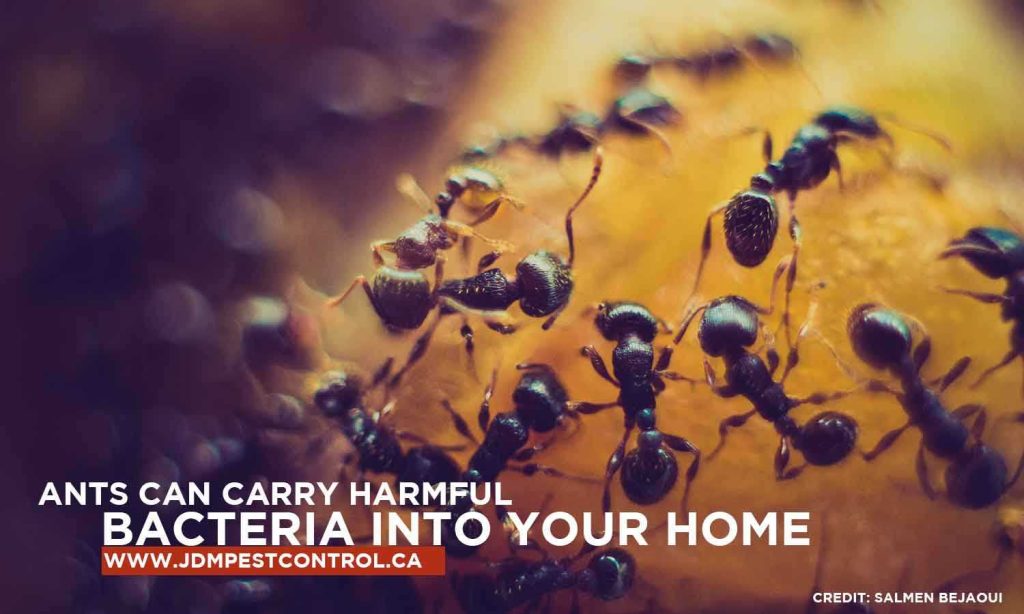
If you’re dealing with an ant invasion in your home, the quickest solution is to identify the source of the ants and eliminate it. Begin by cleaning up any food spills and sealing up entry points. You can use natural deterrents like vinegar or essential oils to disrupt their scent trails. If the problem persists, consider commercial baits or traps designed for ant control.
Ants are incredibly resourceful and can quickly turn a single crumb into a full-blown infestation. It’s essential to act promptly to regain control of your space. In this article, we’ll explore effective strategies for getting rid of ants, ensuring your home stays pest-free and comfortable. Whether you’re facing a few wandering ants or a large colony, we’ve got you covered!

Pest Control: How to Get Rid of Ants
Ants are tiny creatures that can cause big problems. They invade our homes in search of food, water, and shelter. Understanding how to effectively manage and eliminate these pests is essential for maintaining a peaceful living environment. In this section, we’ll explore the different types of ants, their behaviors, and a variety of methods to help you get rid of them.
Understanding Ants: Types and Behaviors
Ants are social insects that live in colonies. There are over 12,000 species of ants worldwide. Here are some common types you might encounter in your home:
- Carpenter Ants: These ants can damage wood structures by hollowing them out for nesting.
- Argentine Ants: Known for forming large colonies, they can quickly invade homes.
- Pavement Ants: Often found nesting in sidewalks, they can also invade homes in search of food.
- Fire Ants: Recognizable by their painful sting, they are aggressive and can infest yards and homes.
Understanding the specific type of ant you’re dealing with can help you choose the best control methods.
Why Do Ants Invade Homes?
Ants have specific needs that drive them to invade our spaces:
- Food: Ants are always on the lookout for food sources, especially sugary or greasy substances.
- Water: Like any living creature, ants need water to survive.
- Shelter: Ants seek places to build their colonies, which can sometimes be found within the walls of our homes.
Identifying what attracts ants to your home is key to preventing infestations.
Preventing Ant Infestations
Prevention is the first step in pest control. Here are some effective strategies:
- Seal Entry Points: Check for cracks in your foundation or gaps around doors and windows. Seal these areas with caulk or weather stripping.
- Keep Food Sealed: Store all food in airtight containers. This includes pet food and pantry items.
- Clean Up Spills: Wipe up crumbs and spills immediately. Ants can detect food from long distances.
- Remove Standing Water: Repair leaky pipes and ensure there’s no standing water around your home.
These steps help keep ants from making your home their own.
Identifying Ant Trails
Ants leave behind scent trails to communicate with other ants, leading them to food sources. Recognizing these trails is important in controlling an infestation. Here’s how to identify them:
- Visual Clues: Look for small black or brown ants marching in a line.
- Scent Trails: There may be a slight smell similar to formic acid along the path.
Following these trails can lead you to the source of the problem.
Effective Ant Control Methods
When ants invade, it’s time to take action. There are various methods you can use:
1. Bait Traps
Bait traps are one of the most effective methods for ant control. Here’s how they work:
– Ants take the bait back to their colony.
– The bait is usually a mixture of poison and food.
– This will kill the ants—and potentially the queen—effectively reducing the population.
2. Natural Remedies
If you prefer to use natural methods, consider these options:
- Vinegar: Mix equal parts vinegar and water and spray it on ant trails.
- Boric Acid: Mix boric acid with sugar to create a bait that attracts ants.
- Essential Oils: Peppermint and tea tree oils can deter ants when sprayed around entry points.
Natural remedies can be effective and safer for children and pets.
3. Chemical Sprays
For severe infestations, chemical sprays may be necessary. These typically contain insecticides designed to kill ants on contact. However, it’s important to follow manufacturer instructions carefully.
When to Call Professional Pest Control
If your ant problem persists despite your best efforts, it may be time to call in the experts. Professional pest control services can offer specialized treatments that are more effective. They can quickly identify the species of ant and apply the right methods for eradication.
Monitoring and Maintenance
Even after treatment, monitoring is essential. Here are some ways to keep your home ant-free:
- Regular Inspections: Check entry points and food storage areas regularly.
- Continue Preventive Measures: Keep up with sealing cracks and keeping food secure.
- Document Activity: If you see ants again, document their trails and behavior.
Being vigilant can help you catch any new infestations before they become a problem.
DIY Ant Control Techniques
If you prefer to handle pest control yourself, here are some effective DIY techniques:
Homemade Bait Recipe
You can create your own ant bait using common household ingredients:
– Mix one part boric acid with three parts sugar.
– Add water to create a syrup-like consistency.
– Place it in shallow containers near ant trails.
This homemade bait can attract and kill ants, helping control the problem.
Creating Barriers
You can also make barriers using natural ingredients:
– Sprinkle diatomaceous earth around entry points.
– Use cinnamon or chalk as a deterrent by creating lines that ants won’t cross.
These barriers can help keep ants out without using harsh chemicals.
Understanding the Life Cycle of Ants
Knowing about the life cycle of ants can enhance your control efforts. Ants go through four stages:
- Egg: The queen lays eggs that hatch into larvae.
- Larva: The larvae are fed by worker ants until they pupate.
- Pupa: Ants in this stage resemble adults but are not fully developed.
- Adult: Once matured, ants become workers, soldiers, or queens.
Understanding these stages can help you determine when and how to treat an infestation.
The Importance of Timing in Pest Control
Timing can significantly impact the effectiveness of your pest control efforts. Here are some tips:
- Spring: This is when ants begin to emerge after winter.
- Summer: Ant activity increases significantly as they search for food.
- Fall: Ants may invade homes to find warmer shelter.
By targeting your pest control efforts during these peak times, you can improve your chances of success.
Dealing with ants can be a nuisance, but with the right knowledge and techniques, you can effectively manage and eliminate these pests. By maintaining a clean environment, sealing entry points, and employing the right control methods, you can enjoy a peaceful home free of ants. Stay vigilant and proactive, and your home will be a fortress against these tiny invaders.
How to Kill House Ants Fast & Easy
Frequently Asked Questions
What are some natural remedies to deter ants?
Natural remedies such as vinegar, lemon juice, and essential oils can effectively repel ants. Mix equal parts of vinegar and water in a spray bottle and apply it to areas where ants frequent. Similarly, placing cotton balls soaked in peppermint or tea tree oil near entry points can help keep ants away due to their strong scents.
How can I prevent ants from entering my home?
To prevent ants from invading your home, seal any cracks and crevices around doors and windows. Keep food stored in airtight containers, clean up spills promptly, and take out the trash regularly. Additionally, keeping your kitchen and dining areas clean can significantly reduce the likelihood of attracting ants.
What should I do if I find a large ant colony in my yard?
If you discover a large ant colony in your yard, consider using bait traps specifically designed for ants. Place these traps near the colony to attract worker ants, which will take the bait back to the queen, effectively reducing the colony’s size over time. Alternatively, you can apply diatomaceous earth around the colony, as it can harm ants without posing a risk to pets or children.
Are there any specific types of ants that are harder to get rid of?
Yes, certain ant species, such as carpenter ants and fire ants, can be more challenging to eliminate. Carpenter ants nest in wood, which may require professional treatment if the infestation is severe. Fire ants can be aggressive and may require specific baiting and treatment methods to control effectively. Identifying the species helps in choosing the right approach for eradication.
When is the best time to treat for ants?
The best time to treat for ants is during their active season, which typically occurs in the spring and summer months. During this time, ants are foraging for food and building their colonies, making them more susceptible to treatments. Early intervention can prevent larger infestations later on.
Final Thoughts
Effective pest control requires a strategic approach to get rid of ants. Start by identifying their entry points and eliminate food sources that attract them.
Utilizing natural remedies, such as vinegar and diatomaceous earth, can deter ants without harmful chemicals.
Remember, consistency is key in your pest control routine. By following these steps, you can successfully manage ant infestations and maintain a pest-free environment. Implement these tips from “Pest Control How To Get Rid Of Ants” to enjoy a more comfortable home.