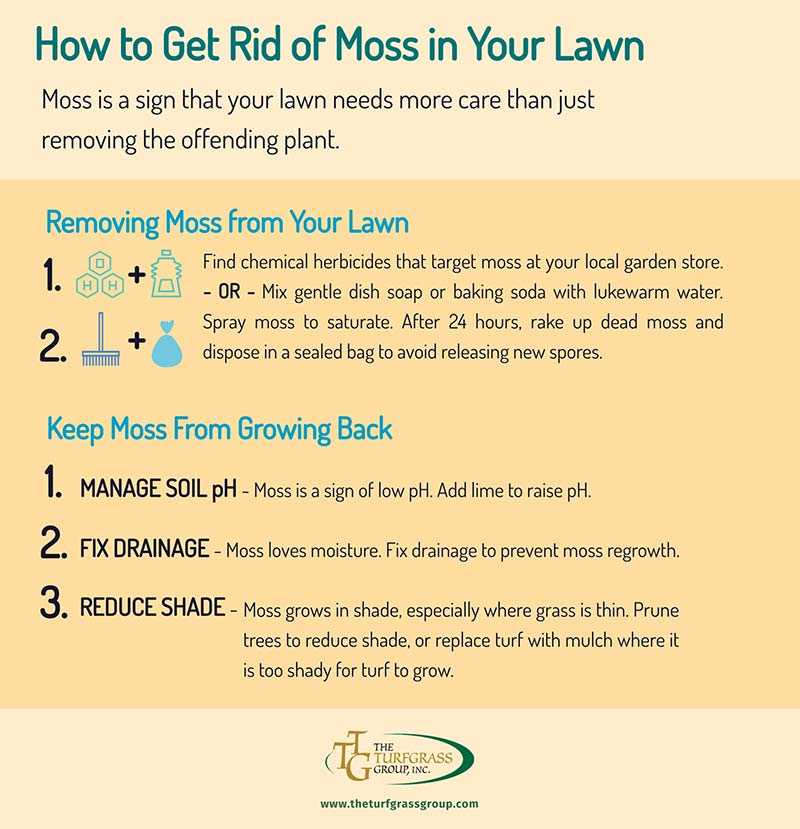
If you’re tired of moss taking over your lawn and want to enjoy a healthy, green space instead, you’re in the right place! The quickest way to get rid of moss is by improving drainage, adjusting soil pH, and promoting strong grass growth. Start by aerating your lawn to help water and nutrients reach the grass roots better. You can also apply lime to raise the pH level if your soil is too acidic. Reseeding with grass that thrives in your specific conditions will ensure a lush lawn that outcompetes moss. With a little effort and the right approach, you can reclaim your lawn and enjoy a vibrant outdoor space once again.
Moss can be a persistent nuisance in many lawns, often signaling that something is off in your yard’s ecosystem. It thrives in damp, shady areas where grass struggles to grow, turning your once healthy lawn into a patchy, lackluster space. Understanding the reasons why moss appears is key to tackling this issue effectively. Whether poor drainage, low soil pH, or insufficient sunlight is the culprit, addressing these factors will help you create a thriving lawn again. In this guide, we’ll explore practical tips and solutions to help you evict moss and restore your lawn’s natural beauty. Get ready to roll up your sleeves and transform your outdoor space!

“`html
How To Get Rid Of Moss In Your Lawn
Moss can make your lawn look unhealthy and unattractive. It thrives in shady, moist areas and can spread quickly if not addressed. To help you tackle this common issue, we will explore various methods to effectively get rid of moss and promote a healthy lawn.
Understanding Moss
Before jumping into the removal methods, it’s essential to understand moss itself. Moss is a small, flowerless plant that grows in dense green clumps or mats. Moss prefers damp, shady environments, often invading lawns that have poor sunlight and drainage.
Key characteristics of moss include:
- Low growing, typically under 2 inches tall
- Forms a dense, velvety carpet
- Reproduces by spores rather than seeds
Identifying the underlying reasons for moss growth in your lawn is the first step in handling it effectively.
Causes of Moss Growth
To eliminate moss, you need to pinpoint what is causing it to thrive in your lawn. Here are some common causes:
- High shade levels: Areas that receive little to no sunlight encourage moss growth.
- Poor soil drainage: Compact, waterlogged soil creates an environment conducive to moss.
- Acidic soil: Moss thrives in acidic conditions, typically with a pH below 6.0.
- Lack of nutrients: Nutrient-deficient soil can weaken grass and allow moss to flourish.
By addressing these issues, you can create a less favorable environment for moss.
Testing Your Soil
A soil test is a valuable first step in addressing moss in your lawn. You can often obtain a soil testing kit at your local garden center or through your local extension office.
Here’s what to do:
- Collect samples from several areas of your lawn.
- Follow the kit instructions to send your samples for analysis.
- Review the results to determine pH levels and nutrient content.
Understanding your soil’s quality will guide you in making necessary amendments.
Improving Sunlight Exposure
Moss loves shady areas, so increasing sunlight can help. Here are some tips to improve sunlight exposure in your lawn:
- Prune trees and shrubs: Trim back overgrown branches to allow more light to reach the ground.
- Remove obstacles: Move objects that block sunlight from reaching your lawn.
- Consider landscaping: Replace dense shrubs with lower plants that allow light penetration.
Brightening up the area will make it harder for moss to grow.
Improving Soil Drainage
Proper drainage is vital for a healthy lawn. If your soil retains water, here’s how to improve drainage:
- Aerate your lawn: Use a lawn aerator to create holes in the soil, allowing water to drain better.
- Add organic matter: Incorporating compost can improve soil texture and drainage.
- Level your yard: If certain areas pool water, consider re-grading to promote proper drainage.
These steps will create a healthier environment for grass and reduce moss growth.
Adjusting Soil pH
If your soil test indicates high acidity, you may need to adjust the pH. To do this, you can:
- Add lime: This can help raise the pH level and create a less favorable environment for moss.
- Test periodically: Regular soil testing will help you maintain balanced pH levels.
Balancing the soil pH is a crucial step towards a thriving lawn.
Nourishing Your Lawn
A nutrient-rich lawn is less likely to allow moss to take over. Here are some tips to nourish your grass:
- Fertilize regularly: Use a balanced fertilizer to provide essential nutrients to your lawn.
- Seed bare spots: This can encourage grass growth, reducing the space for moss.
- Maintain lawn height: Keeping grass at an optimal height can promote health and resilience.
Healthy grass will naturally compete with moss and other weeds.
Manual Removal of Moss
Before resorting to chemicals, try removing moss manually. This is a straightforward process:
- Use a rake to gently pull up the moss from your lawn.
- Dispose of the moss carefully to prevent re-establishing it.
- Fill the cleared areas with soil or grass seed to encourage grass regrowth.
Manual removal is an eco-friendly solution and helps to reset the lawn balance.
Chemical Solutions
If you have a severe moss problem, chemical treatments might be necessary. However, always use them cautiously and follow the instructions. Products that contain iron sulfate are often effective.
When using chemical treatments:
- Apply on dry days: This ensures proper absorption.
- Follow application rates: Overapplication can harm your grass.
- Water afterwards: This can help distribute the product evenly.
Always consider the health of your lawn when opting for chemical solutions.
Maintaining Your Lawn
After removing moss, it’s vital to maintain your lawn properly. To prevent moss from returning:
- Regular mowing: Keeps your grass healthy and prevents bare spots.
- Water wisely: Water deeply but less frequently to avoid over-saturation.
- Regular aeration: Repeat aeration annually to keep soil healthy.
Consistent maintenance is key to preventing moss invasions in the future.
Common Mistakes to Avoid
When dealing with moss, it’s essential to avoid common pitfalls. Here are some mistakes to steer clear of:
- Ignoring the problem: Allowing moss to persist will only worsen your lawn’s health.
- Over-fertilizing: This can lead to grass that is too weak to compete with moss.
- Neglecting water management: Inadequate drainage can cause moss to return.
Being aware of these mistakes will help you make better lawn care choices.
In summary, getting rid of moss in your lawn involves understanding its causes, improving growing conditions, and maintaining a healthy lawn. Whether you choose manual removal or chemical treatments, your efforts will be rewarded with a lush, green lawn that you can be proud of.
“`
Get rid of Moss in Lawn – How To
Frequently Asked Questions
“`html
What are the common causes of moss growth in lawns?
Moss typically thrives in conditions where sunlight is scarce, soil is compacted, and moisture is abundant. Poor drainage, acidic soil, and low fertility also contribute to the presence of moss. Identifying these factors in your lawn can help you take corrective actions to reduce moss growth.
How can I prevent moss from returning after I remove it?
To prevent moss from returning, improve sunlight exposure by trimming back overhanging branches and shrubs. Aerate the soil to reduce compaction and ensure proper drainage. Testing and adjusting the soil pH to a more neutral range can also enhance grass growth and discourage moss.
What tools do I need to remove moss from my lawn effectively?
You’ll need a rake or dethatching tool to physically remove moss from the lawn. A lawn aerator can help alleviate soil compaction, and a soil test kit will allow you to assess pH and nutrient levels. It’s also helpful to have a spreader for applying any necessary lawn treatments.
Can chemical treatments help eliminate moss, and are they safe for the environment?
Chemical treatments, such as moss killers containing iron sulfate, can effectively kill moss. When using these products, always follow the manufacturer’s instructions to ensure safety. Many of these treatments are designed to be safe for the environment, but it’s advisable to research specific products and consider organic alternatives as well.
Is it possible to replace moss with grass, and how do I do it?
Yes, you can replace moss with grass by first removing the moss and then preparing the soil. Aerate the area to alleviate compaction, amend the soil with compost for nutrients, and choose a grass variety suited for your climate. Carefully sow grass seeds or lay down sod, and ensure consistent watering to promote establishment.
“`
Final Thoughts
To effectively combat moss in your lawn, start by addressing moisture and lighting conditions. Improve drainage and trim overhanging branches to increase sunlight exposure. Consider applying moss control products or natural solutions like vinegar or baking soda to eliminate existing patches.
Regular lawn maintenance, including mowing and aeration, helps prevent moss from returning. Implementing these steps consistently will create a healthier environment for your grass. By following these strategies, you’ll successfully learn how to get rid of moss in your lawn for good.