June bugs can wreak havoc on your lawn by feeding on grass roots, leaving behind brown patches and thinning turf. Early detection and consistent lawn care are key to preventing severe damage. This guide walks you through natural, chemical, and mechanical solutions to eliminate june bugs and restore your yard’s health.
Key Takeaways
- June bugs are destructive pests that feed on grass roots, causing brown patches and weak turf.
- Prevention is more effective than treatment—healthy soil and proper mowing reduce june bug attraction.
- Beneficial nematodes offer an organic solution by targeting june bug larvae underground.
- Chemical insecticides like carbaryl can be effective but should be used with caution and timing.
- Hand-picking adults at night using a flashlight helps reduce populations quickly.
- Maintain proper lawn care—fertilization, aeration, and overseeding strengthen grass against damage.
- Timing matters—treat larvae in late summer and adults during early summer for best results.
How to Get Rid of June Bugs: A Complete Lawn Care Guide
Are you waking up to brown, spongy patches in your lawn after a night of buzzing insects? You might be dealing with june bugs—those large, metallic-green beetles that emerge in late spring and summer. While they may seem harmless, june bugs can cause serious damage to your grass by feeding on roots, leading to thinning, yellowing, and even dead patches in your yard. But don’t worry. With the right approach, you can get rid of june bugs and protect your lawn.
In this guide, you’ll learn everything you need to know about identifying june bugs, understanding their life cycle, and using effective methods to eliminate them. Whether you prefer natural solutions or targeted treatments, we’ve got practical, step-by-step advice to help you reclaim your lawn. Let’s dig in.
Understanding June Bugs and Their Impact on Your Lawn
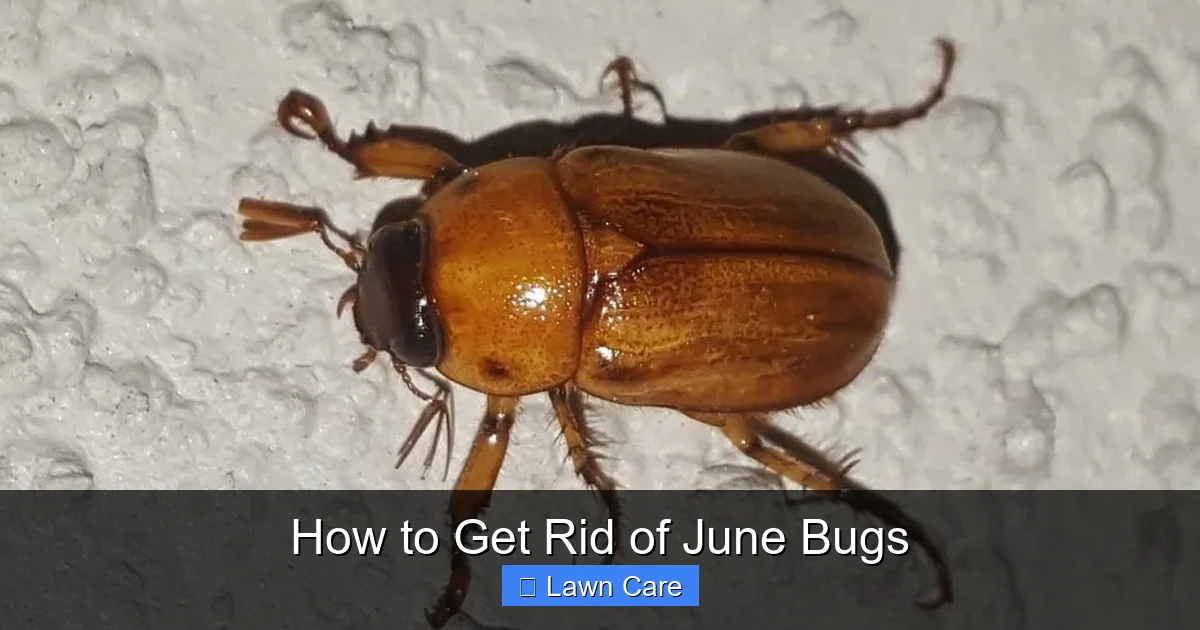
June bugs belong to the scarab beetle family and are most active during their adult stage in late spring and early summer. These nocturnal insects emerge at dusk, attracted to lights and warm, moist soil. While adults don’t feed much on grass, their presence signals an underlying issue: a thriving population of grubs—their larval stage—living beneath your lawn.
Visual guide about How to Get Rid of June Bugs
Image source: bugwiz.com
The real damage happens underground. June bug larvae, also known as white grubs, feed on grass roots throughout the summer and fall. When they reach maturity in late summer or early fall, they burrow deeper into the soil to overwinter. A heavy infestation can kill grass completely, leaving large, irregular dead spots that are hard to revive.
Identifying june bug damage early is crucial. Look for:
- Brown or yellow patches that feel spongy when stepped on
- Grass that pulls up easily with little resistance
- Visible grubs (C-shaped, white with brown heads) in the soil
- Adult beetles flying around lights at night
Understanding this life cycle helps you time your control efforts for maximum effectiveness. Now, let’s explore how to stop june bugs at every stage.
Step 1: Prevent June Bug Infestations
The best defense against june bugs is a healthy, resilient lawn. Preventing infestations reduces the need for reactive treatments and keeps your yard looking lush year-round.
Visual guide about How to Get Rid of June Bugs
Image source: bugwiz.com
Maintain Proper Lawn Care
A dense, well-maintained lawn is less inviting to june bugs. Follow these best practices:
- Mow regularly—keep grass at 2.5 to 3 inches to promote deep root growth.
- Water deeply but infrequently—this encourages strong roots and discourages shallow-grassing pests.
- Fertilize appropriately—use a balanced fertilizer in spring and fall to support healthy turf.
- Aerate annually—this improves soil drainage and reduces compaction, making it harder for grubs to thrive.
Healthy grass recovers faster from damage and is less likely to be targeted by pests. Think of your lawn as a fortress—strong roots and dense growth make it harder for june bugs to cause harm.
Improve Soil Health
June bugs prefer compacted, poorly drained soil. Aerating your lawn once a year helps loosen the soil and improve airflow. You can also add organic matter like compost to boost microbial activity and soil structure. This creates an environment that favors strong grass over pest-friendly conditions.
Step 2: Identify and Confirm a June Bug Problem
Before treating your lawn, confirm that june bugs are the culprit. Misdiagnosis can lead to wasted time and money.
Visual guide about How to Get Rid of June Bugs
Image source: bugwiz.com
Check for Grubs
The most reliable way to confirm a june bug infestation is to look for grubs. Here’s how:
- Cut a small section of turf (about 1 square foot).
- Dig down 2 to 4 inches into the soil.
- Look for white, C-shaped larvae with brown heads.
- Count how many grubs you find.
If you see more than 5 grubs per square foot, you likely have a significant infestation. Light infestations (1–3 grubs per square foot) may not require treatment, especially in well-maintained lawns.
Monitor Adult Activity
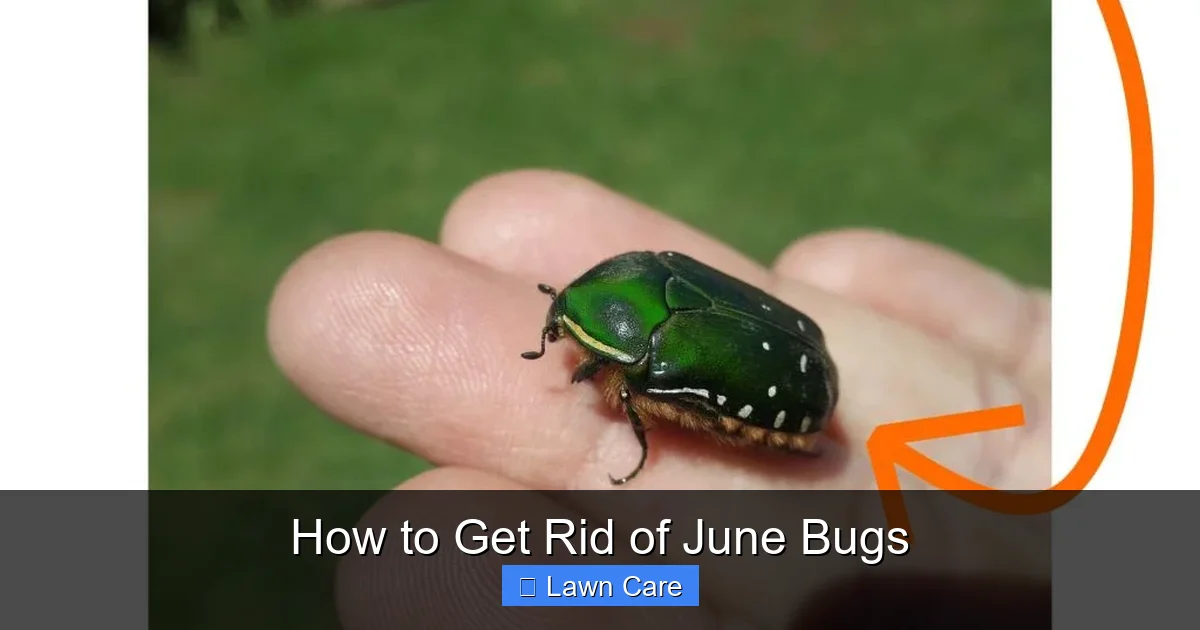
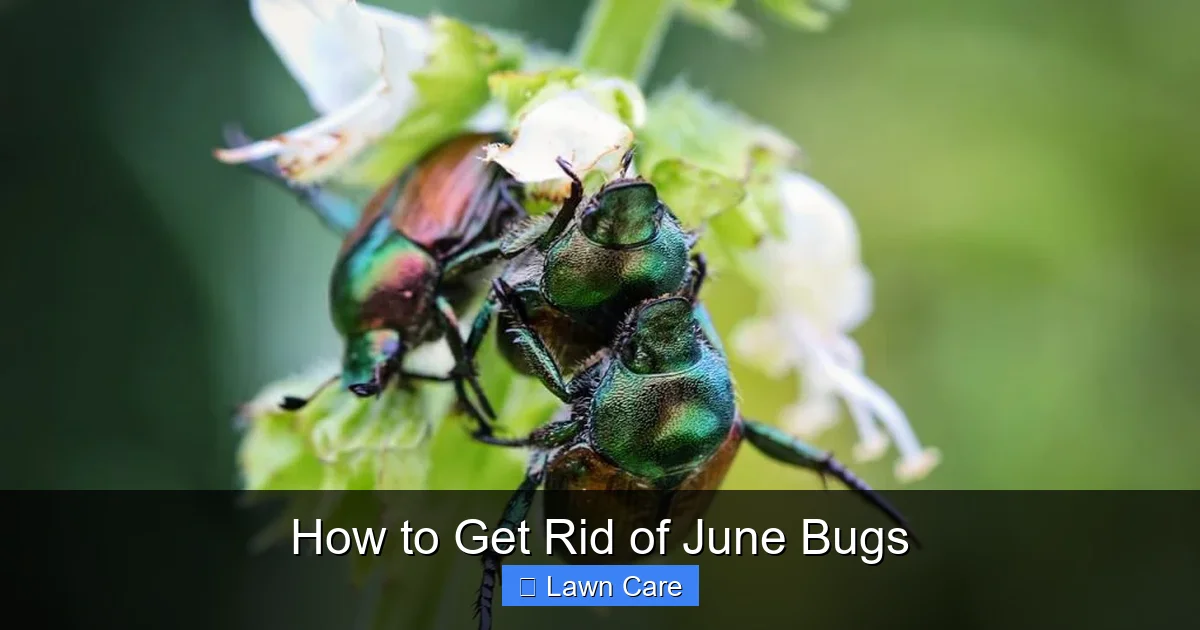
Adult june bugs are large, metallic green or brown beetles that fly around lights at night. If you see them in droves, especially in late May or June, it’s a strong sign that grubs are present underground. Use a yellow sticky trap placed near your lawn to monitor adult activity—but be careful not to trap beneficial insects.
Step 3: Use Beneficial Nematodes (Organic Control)
One of the most effective and eco-friendly ways to get rid of june bugs is using beneficial nematodes. These microscopic, soil-dwelling worms attack and kill june bug grubs without harming people, pets, or plants.
How to Apply Nematodes
- Choose the right time—apply nematodes in late summer or early fall when grubs are most active and near the soil surface.
- Water your lawn the day before application to ensure moist soil.
- Mix nematodes with water according to package instructions. Use cool water (not hot) to protect the worms.
- Apply evenly using a watering can or sprayer. Aim for 1 to 2 gallons per 1,000 square feet.
- Water lightly after application to help nematodes move into the soil.
Repeat the treatment if needed after 4 to 6 weeks. Nematodes are safe for the environment and work by entering the grub’s body and releasing bacteria that kill it within a few days.
For more on biological pest control, check out our guide on how to get rid of grubs.
Step 4: Apply Chemical Insecticides (Targeted Treatment)
If nematodes aren’t enough or you need faster results, insecticides can help. However, timing and product choice are critical.
Best Time to Treat
For grubs, treat in late summer (August–September) when they’re young and actively feeding near the surface. For adults, spray in early summer (May–June) when they first emerge.
Recommended Insecticides
- Imidacloprid—a systemic insecticide that grubs ingest as they feed on roots.
- Carbaryl (Sevin)—a contact killer effective against both grubs and adults.
- Chlorantraniliprole—a newer option with lower toxicity to beneficial insects.
Application Tips
- Water your lawn 1–2 days before treatment to help the product penetrate.
- Apply evenly using a calibrated spreader or sprayer.
- Follow label instructions carefully—overuse can harm pollinators and soil life.
- Water lightly after application to move the insecticide into the root zone.
Always wear protective gear and avoid spraying during windy conditions or when rain is expected.
Step 5: Hand-Pick Adult June Bugs
For small to moderate infestations, hand-picking can be surprisingly effective—especially at night when adults are active.
How to Trap and Remove Adults
- Use a flashlight to spot beetles near lights or on your lawn at dusk.
- Wear gloves and drop them into a bucket of soapy water.
- Repeat nightly during peak activity (usually 2–3 weeks).
This method is labor-intensive but works well for localized problems. You can also place yellow sticky traps near your lawn to catch flying adults—just place them away from trees and shrubs to avoid catching bees or other beneficial insects.
Step 6: Encourage Natural Predators
Your yard isn’t just home to pests—it’s also a habitat for birds, frogs, and other animals that eat june bugs and grubs. Creating a wildlife-friendly lawn supports natural pest control.
Attract Beneficial Wildlife
- Leave some leaf litter or small brush piles—moles and skunks eat grubs and help control populations.
- Install a shallow birdbath to attract insect-eating birds like robins and starlings.
- Avoid broad-spectrum pesticides that kill off natural predators.
A balanced ecosystem keeps june bug numbers in check without chemicals. For more on managing wildlife in your yard, read how to get rid of moles and gophers without harming your lawn.
Step 7: Repair Damaged Areas
After treating june bugs, repair any damaged turf to prevent weeds and restore beauty.
Overseed Affected Patches
Once the soil is treated and grubs are under control, overseed dead areas in early fall. Choose a grass seed mix suited to your climate and soil type. Lightly rake the area, spread seed, and cover with a thin layer of compost or straw.
Water daily until germination. This strengthens your lawn and reduces future vulnerability to pests. For tips on choosing the right seed, see our guide on how to get rid of brown spots in lawn.
Troubleshooting Common Challenges
Even with the best plans, you might run into issues. Here’s how to solve them.
Problem: Treatment Isn’t Working
If june bugs return or damage continues, re-evaluate your timing and method. Chemical treatments work best when grubs are young. If you treated too late or missed the grub stage, adults may have already laid eggs. Repeat nematode or insecticide applications in late summer.
Problem: Harming Beneficial Insects
Overuse of pesticides can kill bees, ladybugs, and earthworms. To minimize harm:
- Use targeted products like imidacloprid only when necessary.
- Avoid spraying during blooming periods.
- Choose nematodes or diatomaceous earth for safer options.
Problem: Soil Remains Compacted
If grubs keep returning, your soil may be too compacted. Aerate annually and add organic matter to improve drainage and root growth.
Conclusion: A Healthy Lawn Defeats June Bugs
Getting rid of june bugs doesn’t have to be overwhelming. By understanding their life cycle and using a mix of prevention, treatment, and lawn care, you can protect your yard from damage. Start with healthy soil and mowing habits, use nematodes or insecticides at the right time, and repair damaged areas with overseeding.
Remember, consistency is key. A strong, resilient lawn is your best defense against pests. With patience and the right tools, you can enjoy a lush, green yard free of june bugs—and the brown patches they leave behind.
Frequently Asked Questions
How do I know if I have a june bug problem?
Look for brown patches that feel spongy when stepped on. Digging up the soil reveals white, C-shaped grubs. Adult beetles flying around lights at night also indicate an infestation.
Are june bugs harmful to humans?
No, june bugs do not bite or sting humans. They are primarily a lawn pest, damaging grass by feeding on roots.
Can I prevent june bugs without chemicals?
Yes. Maintaining a healthy lawn with proper mowing, watering, and aeration reduces june bug attraction. Using beneficial nematodes and encouraging natural predators are effective, chemical-free options.
When is the best time to treat june bugs?
For grubs, treat in late summer (August–September). For adults, spray in early summer (May–June) when they first emerge.
Will overseeding fix june bug damage?
Yes, overseeding helps repair damaged areas once the pest population is under control. It strengthens your lawn and improves recovery.
Are june bugs the same as Japanese beetles?
No. June bugs and Japanese beetles are different species. Both are scarab beetles, but they differ in appearance, life cycle, and preferred habitats.